Sample information |
|
| Picture |
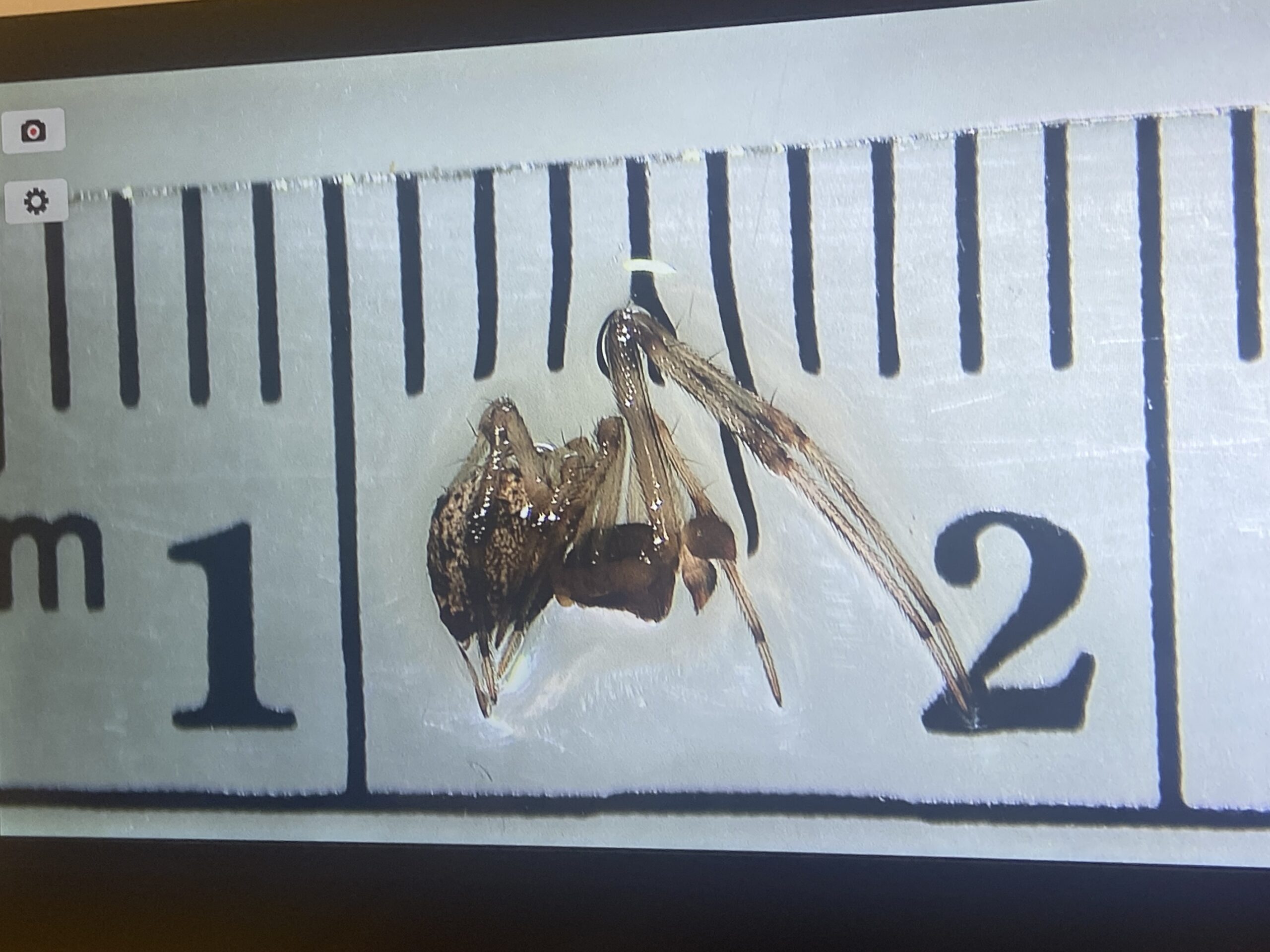
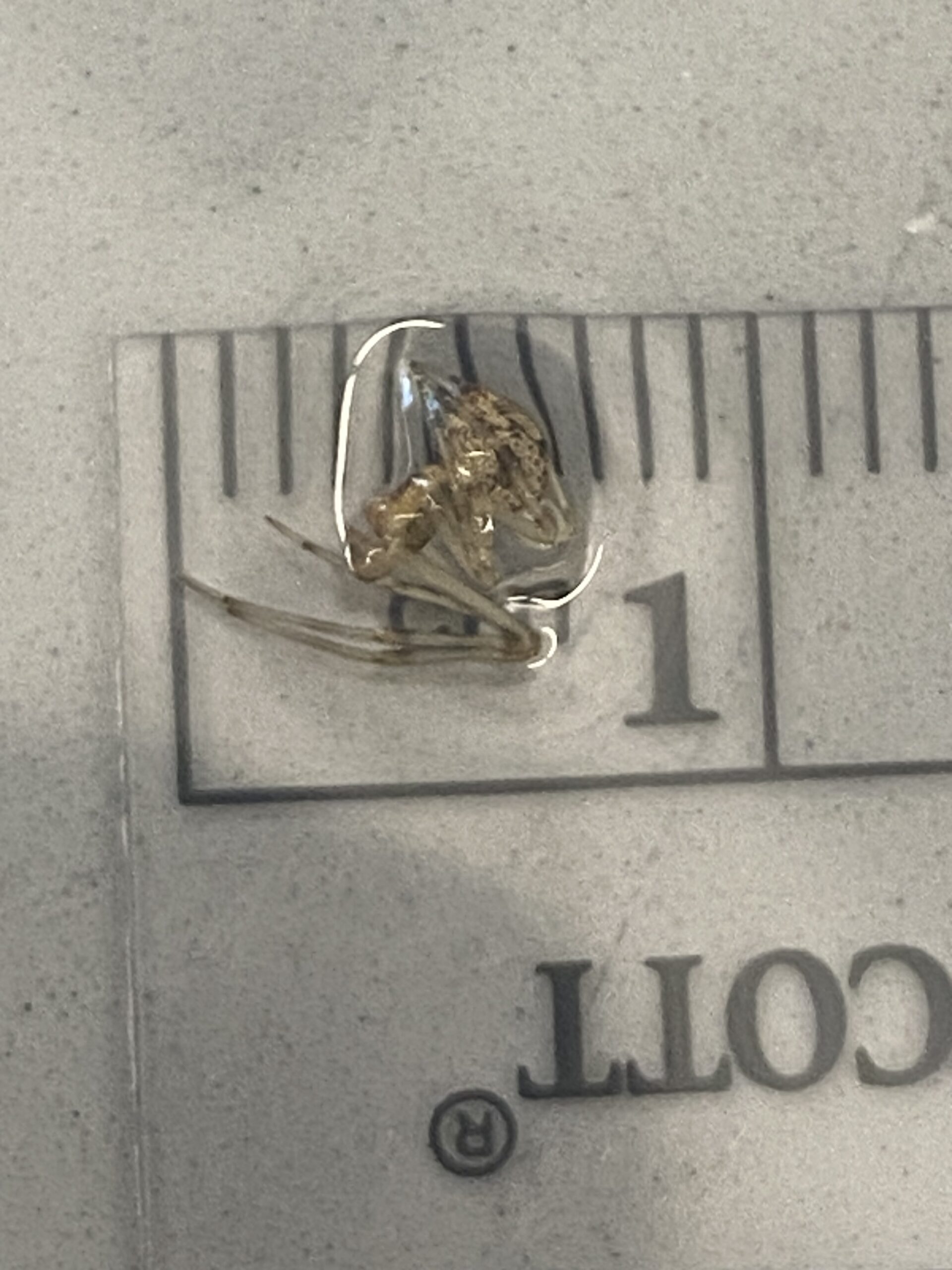
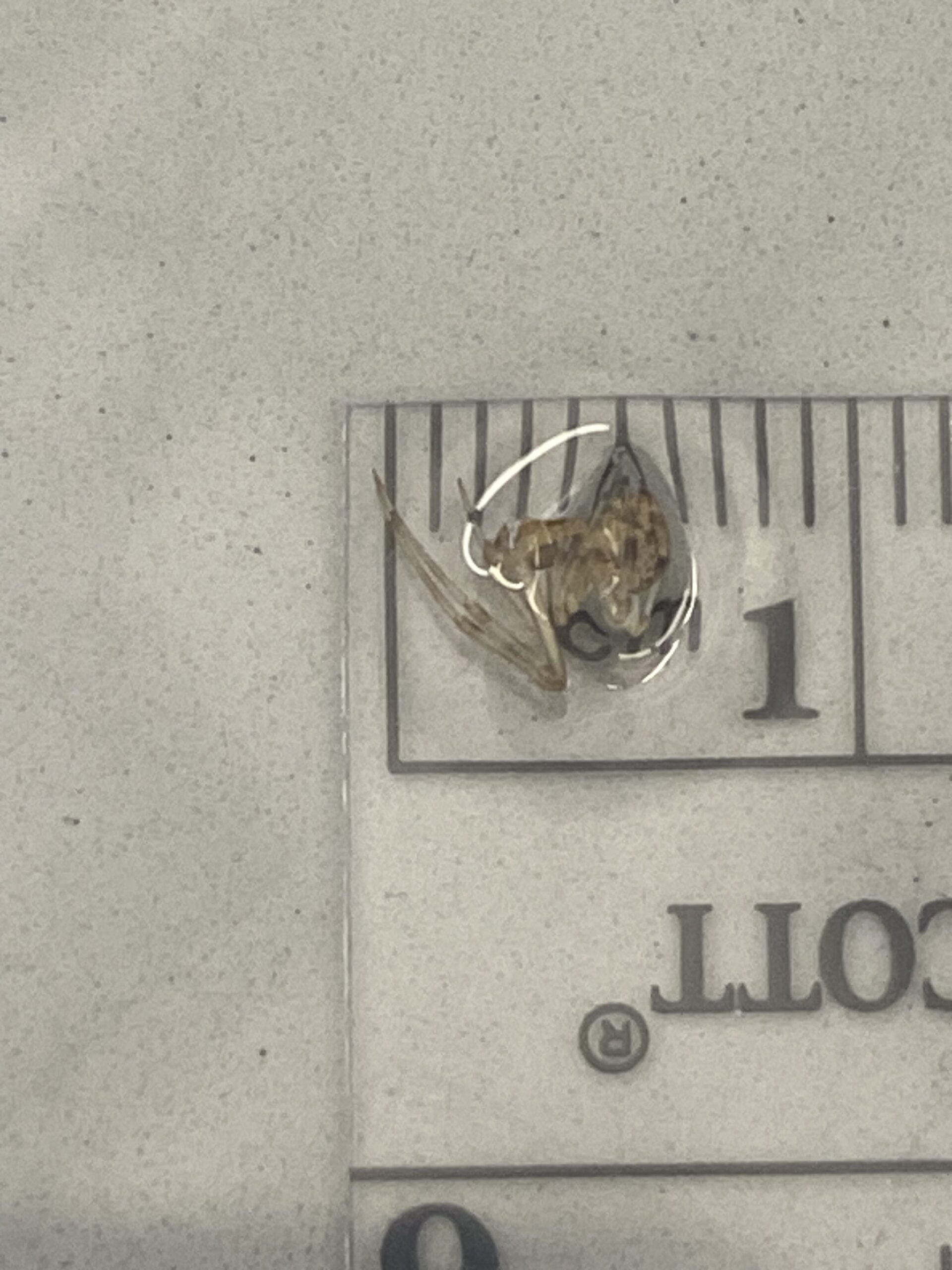
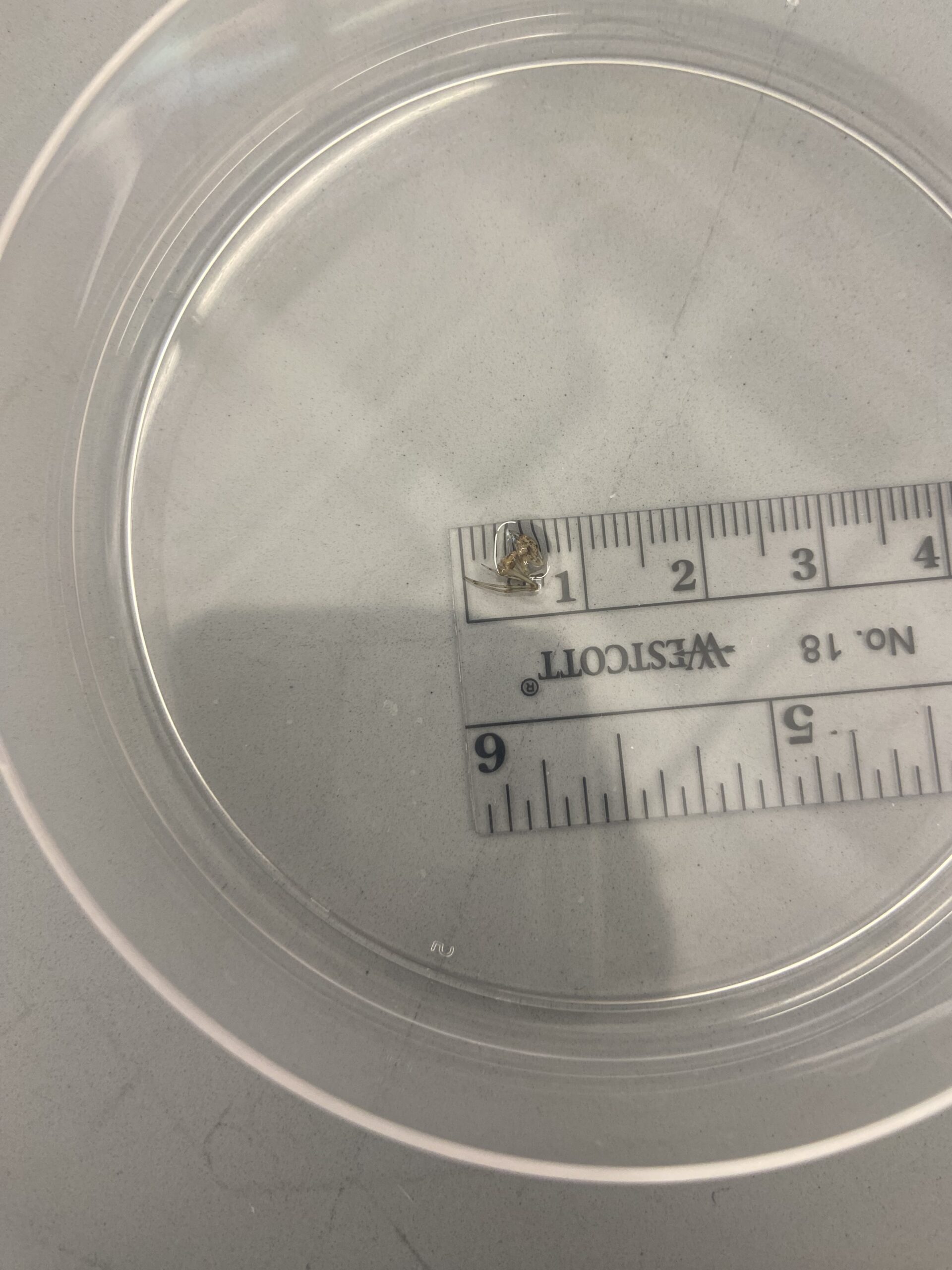
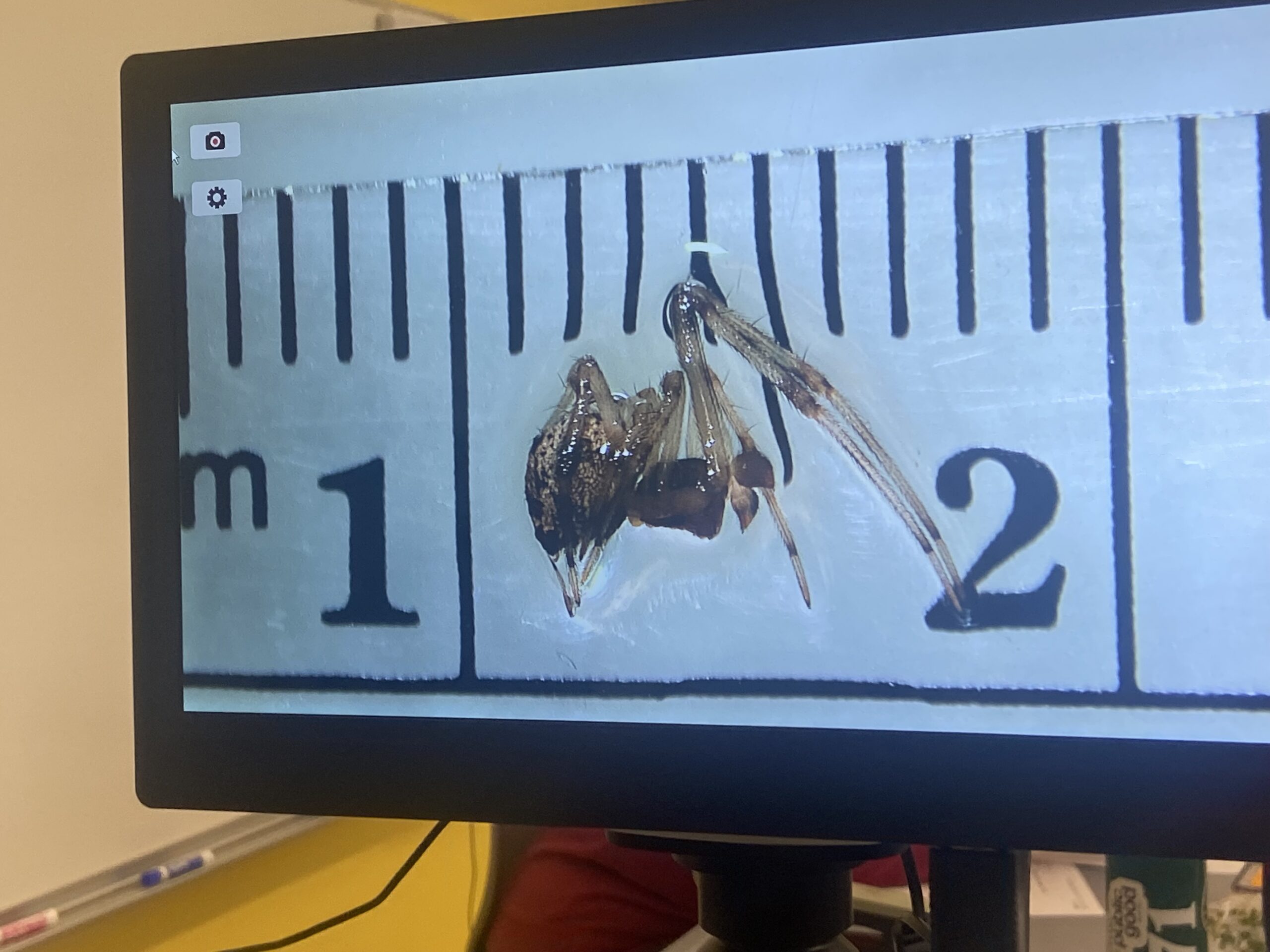
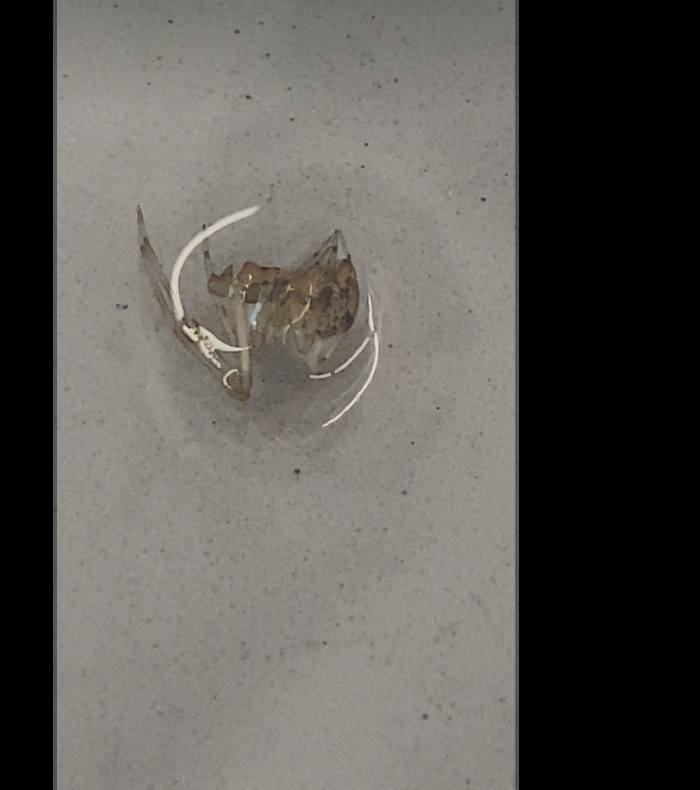
|
|---|---|
| Location | Approximate location: 42.26, -73.37 |
| Collection date | 10/01/2026 |
| Captive / Cultivated? | Wild-caught |
| Group | Berkshire Community College |
| Observations | This specimen was observed cohabitating amongst other larger and smaller arachnids. In the shared space, that of which was a basement window, there was an unusually low amount of cobwebs for the collection of spiders. There was no evidence of prey left dead or uneaten, all spiders seemed to work together to utilize consuming all available prey. All spiders, but more specifically the arthopod collected, tended to seek shelter in the corners of the windows, only occasionally moving around away from their favorite spot. |
| Putative identification | Arthropoda Arachnida Araneae |
Methods |
|
| Extraction kit | Monarch DNA extraction (NEB) |
| DNA extraction location | Body without legs |
| Single or Duplex PCR | Duplex Reaction |
| Gel electrophoresis system | Edvotek Gel Electrophoresis |
| Buffer | 1X TAE |
| DNA stain | SYBR Safe |
| Gel images |
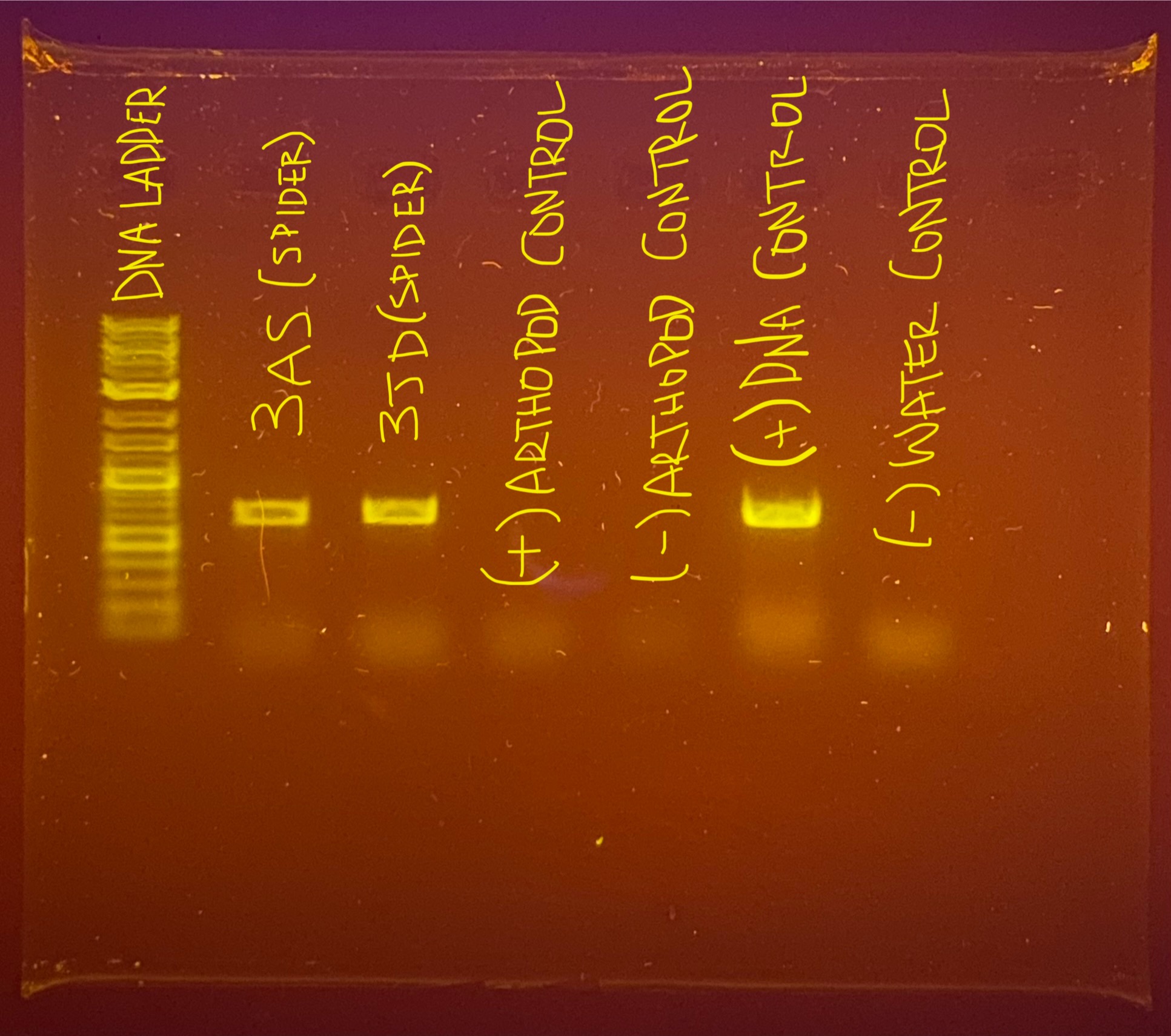
|
| Protocol notes | (1.) We used a DNA extraction protocol based on the insect adaption of New England Biolabs’ Monarch Spin gDNA Extraction kit (Product # T3010). (2.) The specimen was incubated for 50 minutes in a hot water bath at 56 degrees C. (3.) There was one misstep made during the DNA extraction period on the DNA elution part of the procedure. We did not switch into a new container for the very last centrifuge spin. Labelled on worksheets as step #25, (1 minute at maximum speed (>12,000 x g) in centrifuge). Once realized, my lab partner and I pipetted remaining liquid into a new tube fit for storage. The measurements taken were all at the same level, so despite the mistake, equal amounts of DNA was extracted. (4.) Our first gel image was taken on October 28th and was run at 125 volts for 20 minutes. (5.) The DNA Ladder that was used was New England Biolabs 1 kb Plus DNA Ladder for Safe Stains (product # N0559S) (6.) Our gel showed zero bands for both positive and negative arthropod controls, this means it is likely there was a mechanical error within our process, as every other sample was correctly displayed with the expected amount of bands.
|
Results |
|
| Wolbachia presence | No |
| Confidence level | Medium |
| Explanation of confidence level | There were two mistakes made overall throughout the whole process of testing my partner and I’s arthropods for wolbachia-specific 16s rRNA. Because mistakes were made, my confidence level is not at 100% or high. Outside of the minor mistakes made, I think if my partner and I were to redo the process, we would still get the same results, and this is why my confidence level is not low either. Our gel confirms that we did most steps right of the entire process, so not every piece of data should be discarded. |
| Wolbachia 16S sequence | |
| Arthropod COI sequence |
|
| Summary | The Araneae was found to be negative for Wolbachia. |
 DEM-EPC
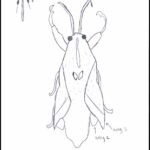 DEM-HED Hemiptera
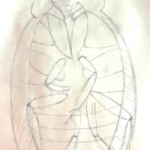 DEMDDB Blattodea
 DEMAMH Hymenoptera
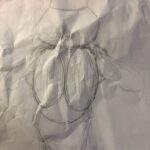 DEMKAP – Diptera