Sample information |
|
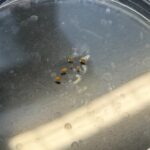
| Picture |
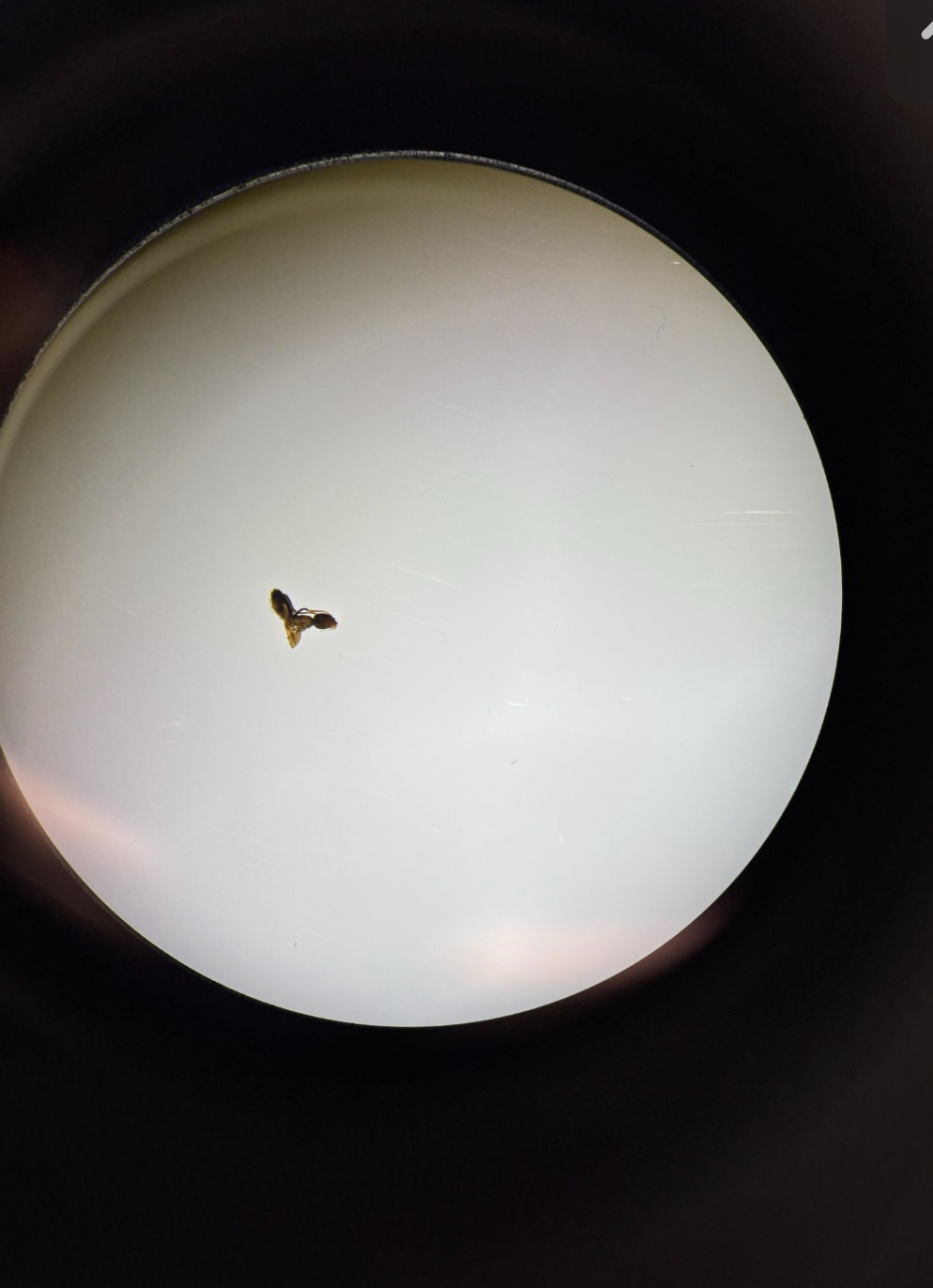
|
|---|---|
| Location | Approximate location: 39.08, -77.14 |
| Collection date | 09/07/2026 |
| Captive / Cultivated? | Wild-caught |
| Group | Edmund Burke School |
| Observations | Ants, gathered on sticky syrup table, black, 75 degrees outside, summer, terrestrial / urban habitat, brown-ish gray, 8 legs |
| Putative identification | Arthropoda Insecta Hymenoptera Formicidae Tapinoma Tapinoma sessile |
Methods |
|
| Extraction kit | DNeasy (Qiagen) |
| DNA extraction location | Whole arthropod |
| Single or Duplex PCR | Single Reaction |
| Gel electrophoresis system | MiniOne |
| Buffer | TBE |
| DNA stain | GelGreen |
| Gel images |
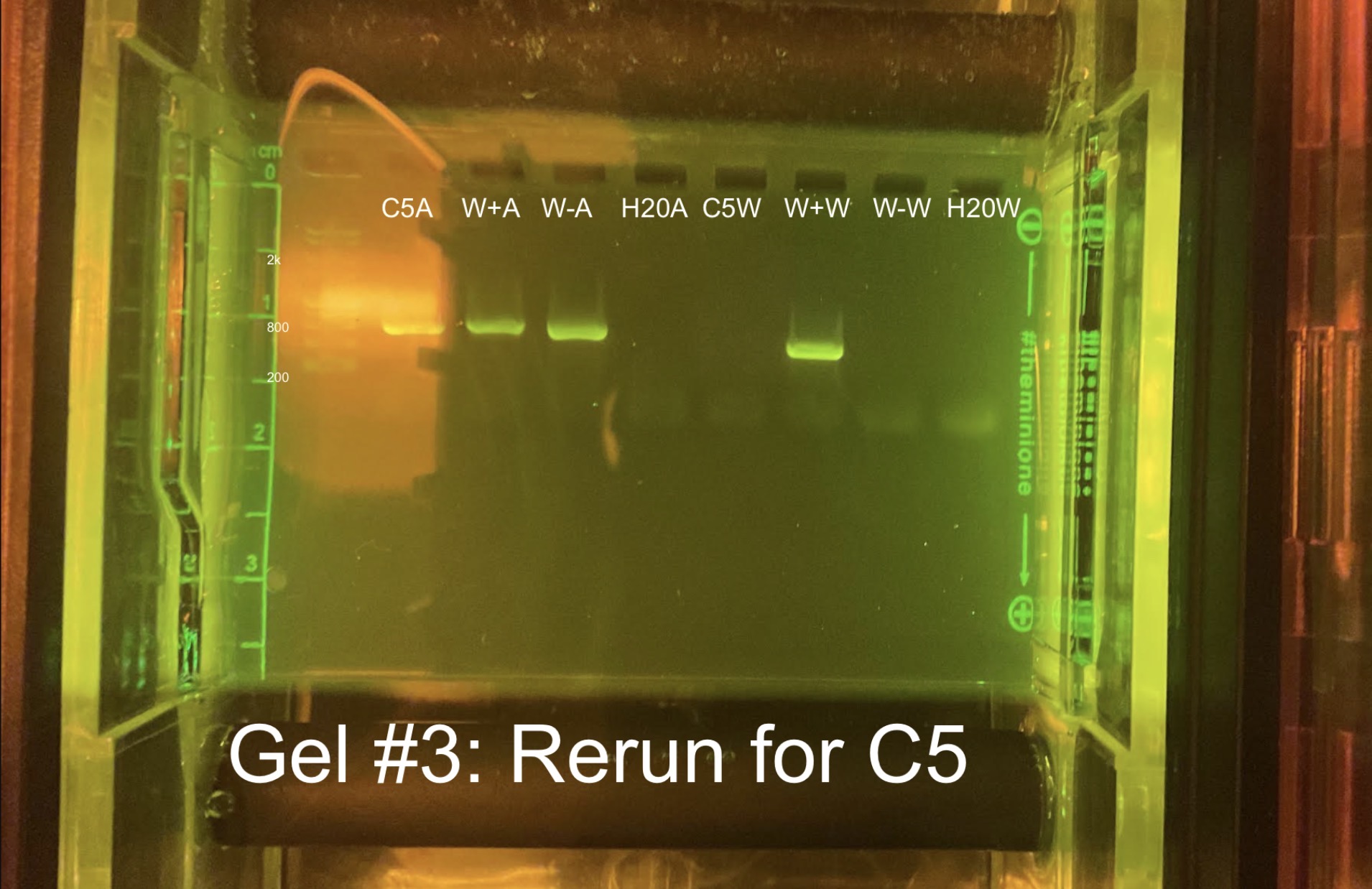
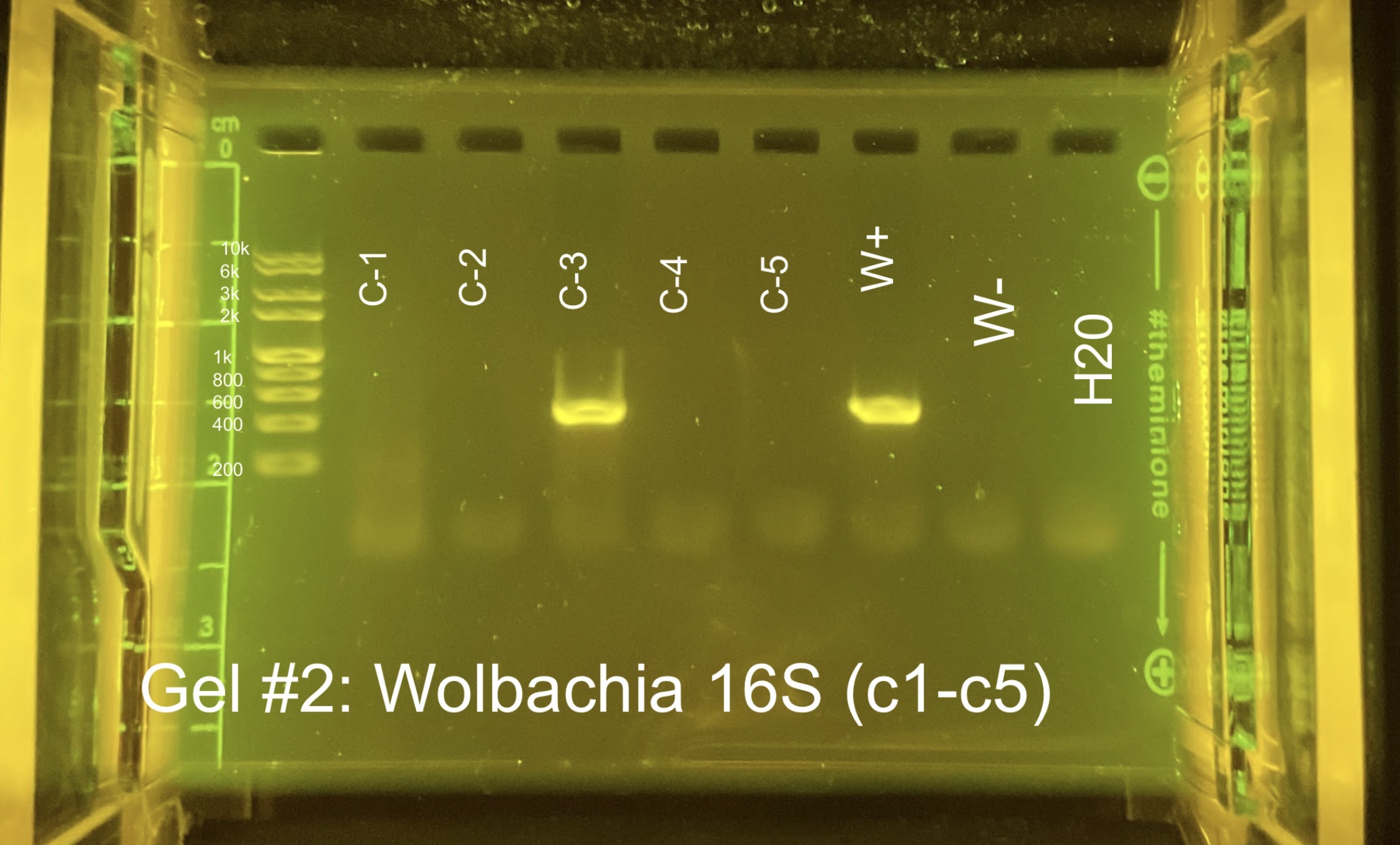
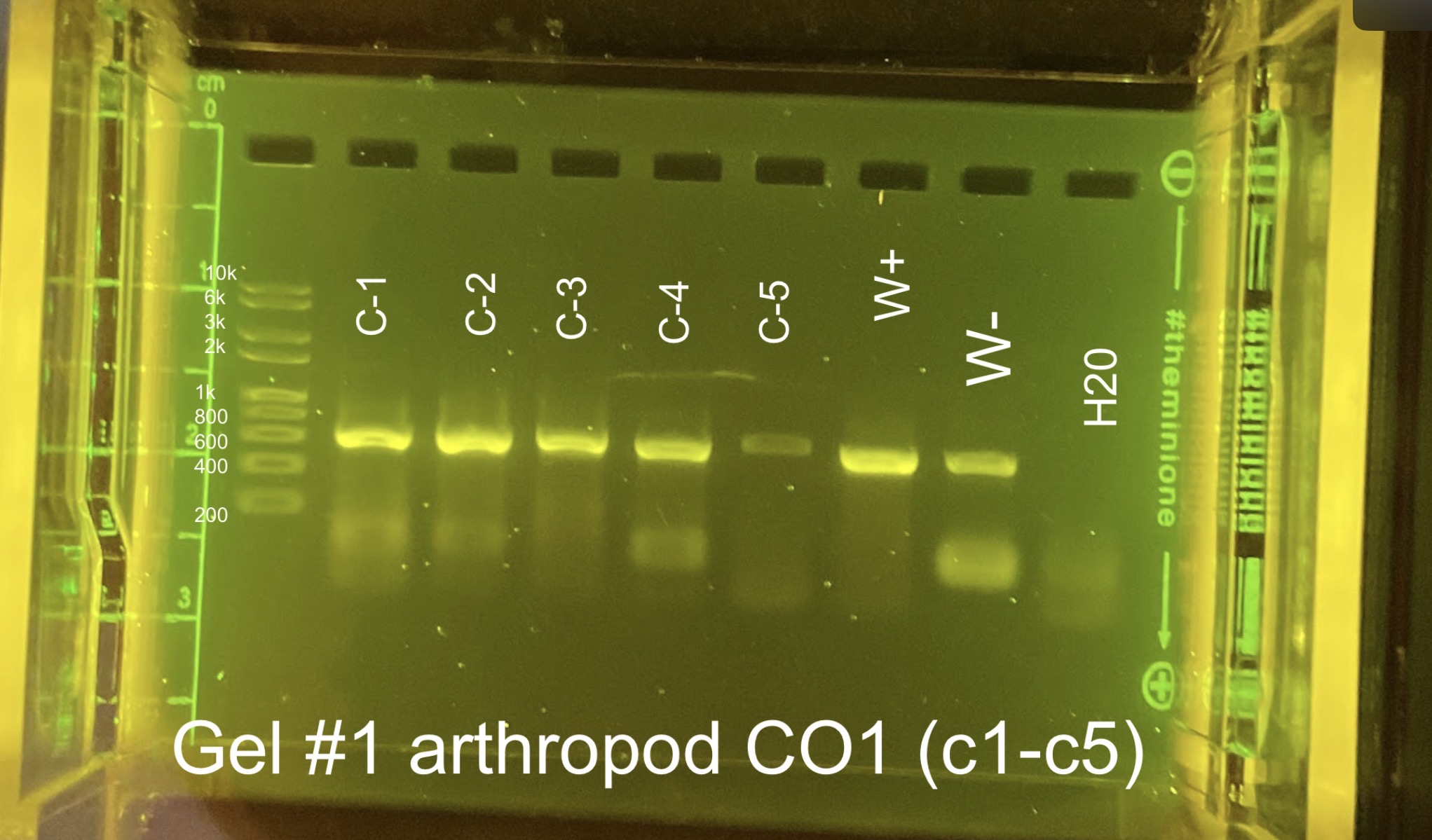
|
| Protocol notes | DNA Extraction: During the process it was challenging to crush the arthropod because it was so small. No mistakes were made during the process.
PCR
PCR & Gel electrophoresis : lane 1 – ladder, lane 2 – c1, lane 3 – c2, lane 4 – c3, lane 5 – c4, lane 6 – c5, lane 7 – w+, lane 8 – w-, lane 9 – H2O. The PCR worked for the samples. C5 came back inconclusive, so we redid the PCR for all the samples and C5 still came back inconclusive, so we concluded that there is a possibility that the DNA extraction did not work because the arthropod was very small. |
Results |
|
| Wolbachia presence | No |
| Confidence level | High |
| Explanation of confidence level | The PCR worked for the samples. C5 came back inconclusive, so we redid the PCR for all the samples and C5 still came back inconclusive, so we concluded that there is a possibility that the DNA extraction did not work because the arthropod was very small. The Wolbachia controls were to show the successful amplification of the CO1 gene in the CO1 gel, and the Wolbachia + control was to show the successful amplification of the 16s gene in the 16s gel. In both gels, the water control was to show that there was no contamination.
|
| Wolbachia 16S sequence | |
| Arthropod COI sequence | Download FASTA
Download AB1
|
| Summary | The Tapinoma sessile was found to be negative for Wolbachia. |
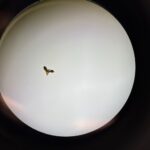 C5 Tapinoma sessile
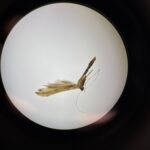 C4 – Emmelina monodactyla
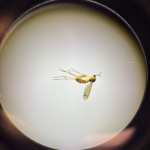 C2 – Clastobasis
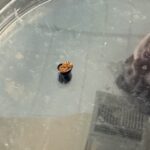 Curinus Coeruleus
 Aphid