Sample information |
|
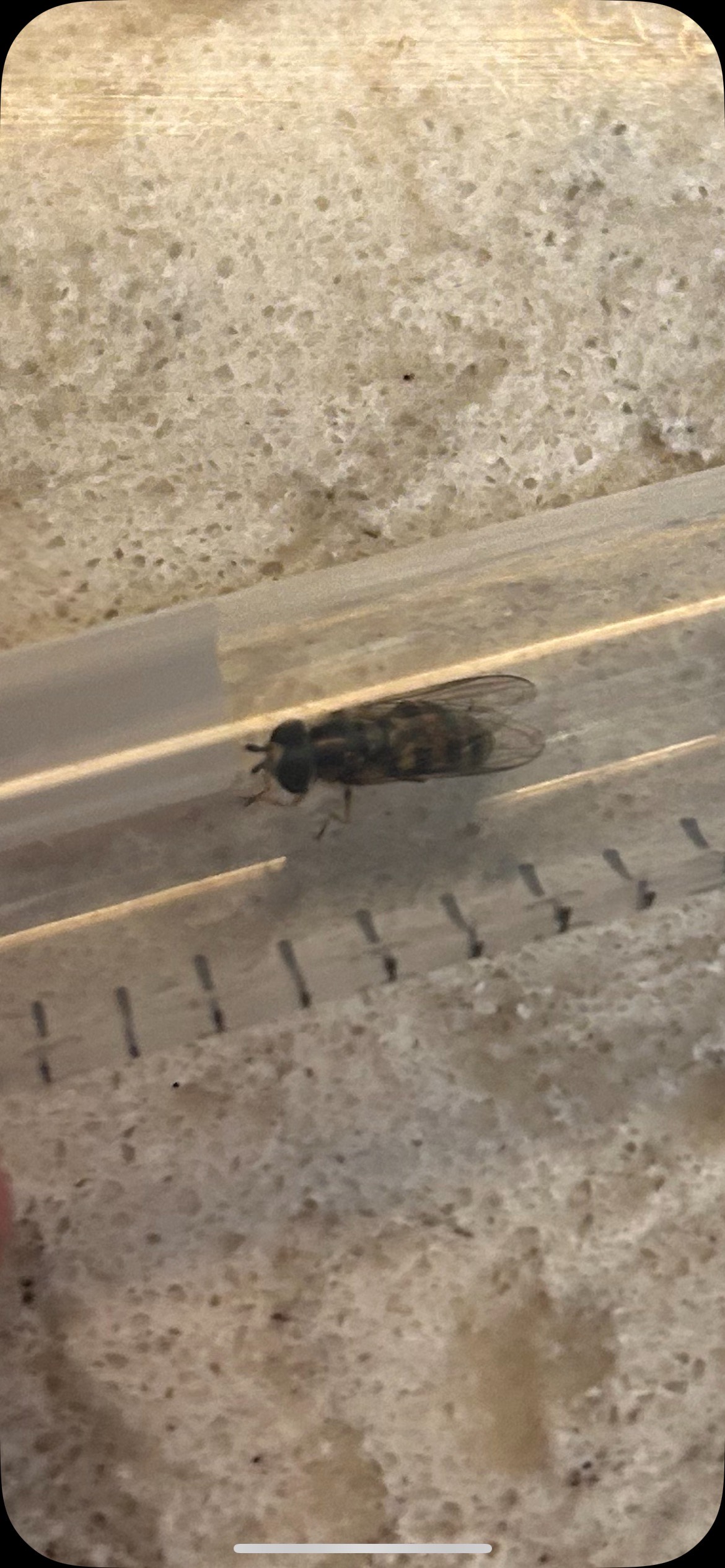
| Picture |
|
|---|---|
| Location | Approximate location: 43.76, -87.71 |
| Collection date | 11/10/2023 |
| Captive / Cultivated? | Wild-caught |
| Group | Kohler High School |
| Observations | It looked like a bee Looked weak when caught, most likely due to cold weather Found on doorbell |
| Putative identification | Arthropoda Insecta Diptera Syrphidae |
Methods |
|
| Extraction kit | tweezers |
| DNA extraction location | Gonads dissected |
| Single or Duplex PCR | Single Reaction |
| Gel electrophoresis system | MiniOne |
| Buffer | TBE |
| DNA stain | GelGreen |
| Gel images |
|
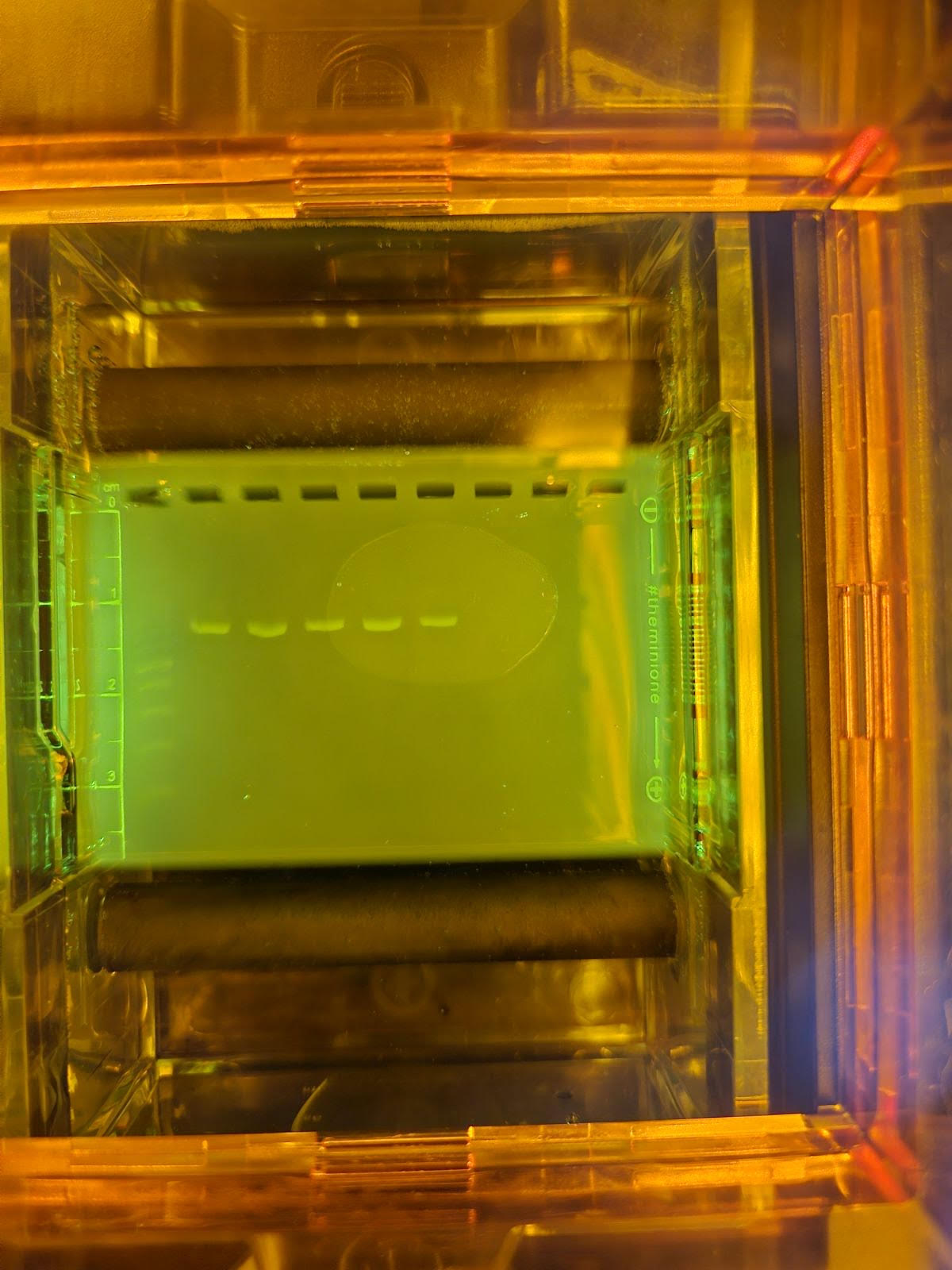
| Protocol notes | Took about three class periods (5 and a half hours) Arthropod Image: Well 1: Hoverfly Well 2: Boxelder Bug Well 3: Positive Arthropod control Well 4: Negative Arthropod control Well 5: Positive DNA control Well 6: Water Well: DNA Ladder
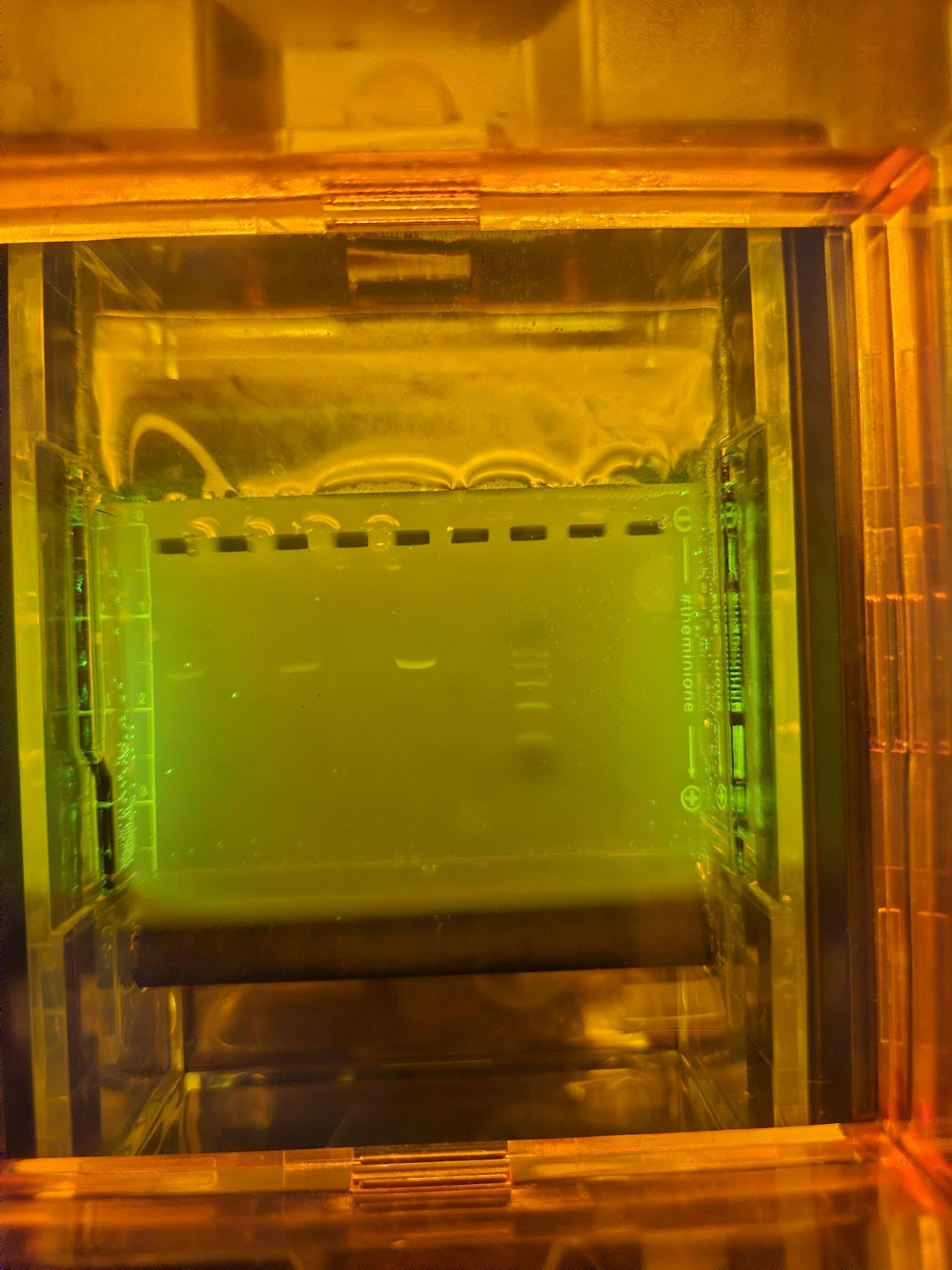
Wolbachia Image: Well 1: DNA Ladder Well 2: Hoverfly Well 3: Boxelder bug Well 4: Positive Arthropod Control Well 5: Negative Arthropod Control Well 6: Positive DNA Control Well 7: Water |
Results |
|
| Wolbachia presence | Yes |
| Confidence level | High |
| Explanation of confidence level | We did this lab with the best care and followed every step to the T, so I believe our results are definitely true. |
| Wolbachia 16S sequence | |
| Arthropod COI sequence |
|
| Summary | The Syrphidae was found to be postive for Wolbachia. |
 Millipede
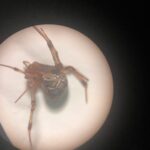 Brown Widow
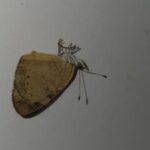 (no title)
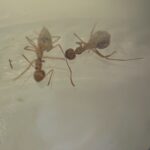 Texas Carpenter Ant
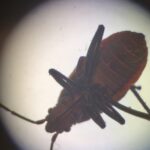 Boxelder Bug (Hemiptera)