Sample information |
|
| Picture |
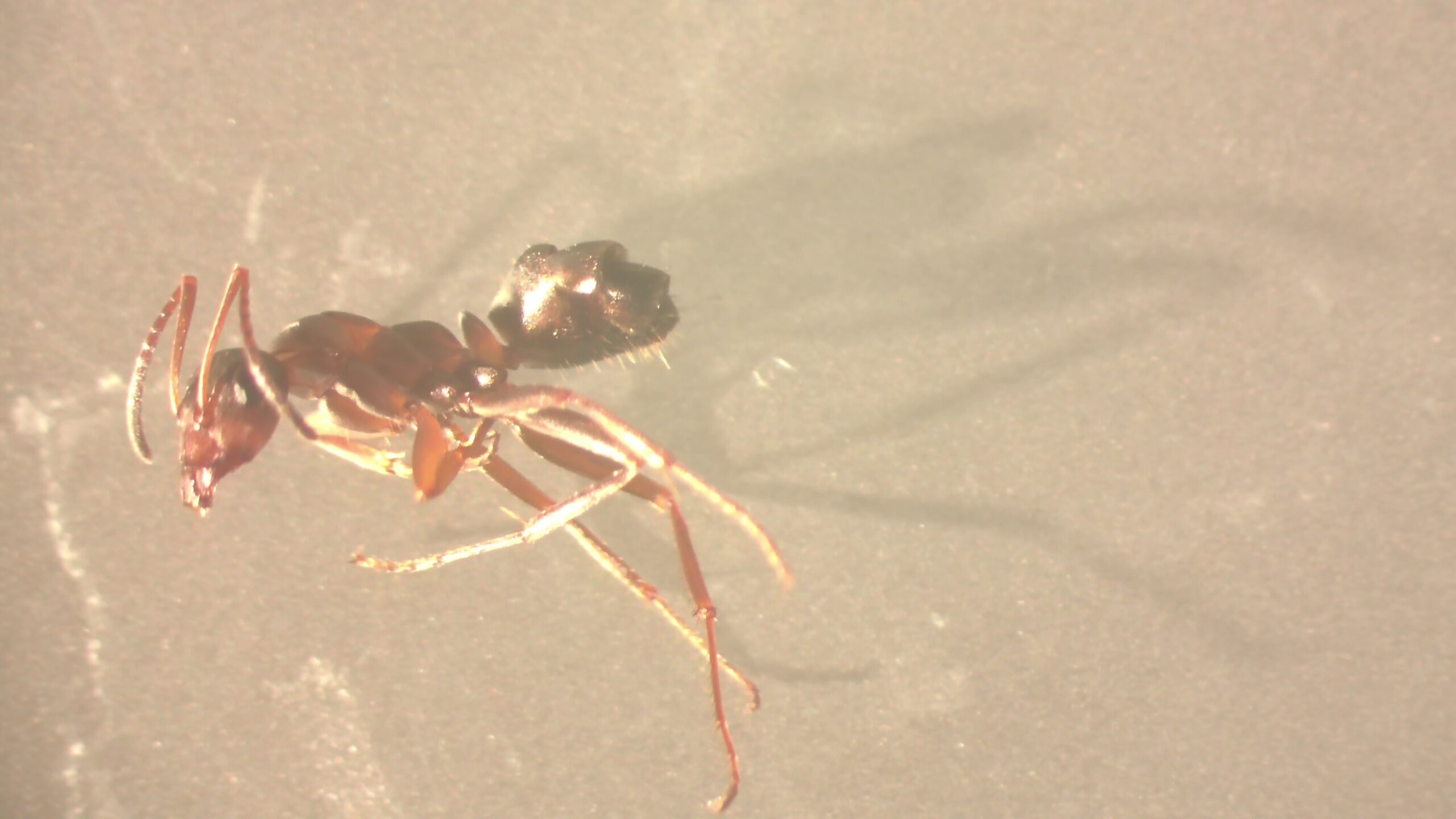
|
|---|---|
| Location | Approximate location: 47.51, 8.38 |
| Collection date | 08/18/2024 |
| Captive / Cultivated? | Wild-caught |
| Group | Kantonsschule Zuercher Unterland |
| Observations | Caught alive in grass, frozen to death and stored in alcohol until DNA-extraction |
| Putative identification | Arthropoda Insecta Hymenoptera Formicidae Formica |
Methods |
|
| Extraction kit | Instagene Matrix |
| DNA extraction location | Whole arthropod |
| Single or Duplex PCR | Single Reaction |
| Gel electrophoresis system | MiniOne |
| Buffer | TBE |
| DNA stain | Midori 1:20'000 |
| Gel images |
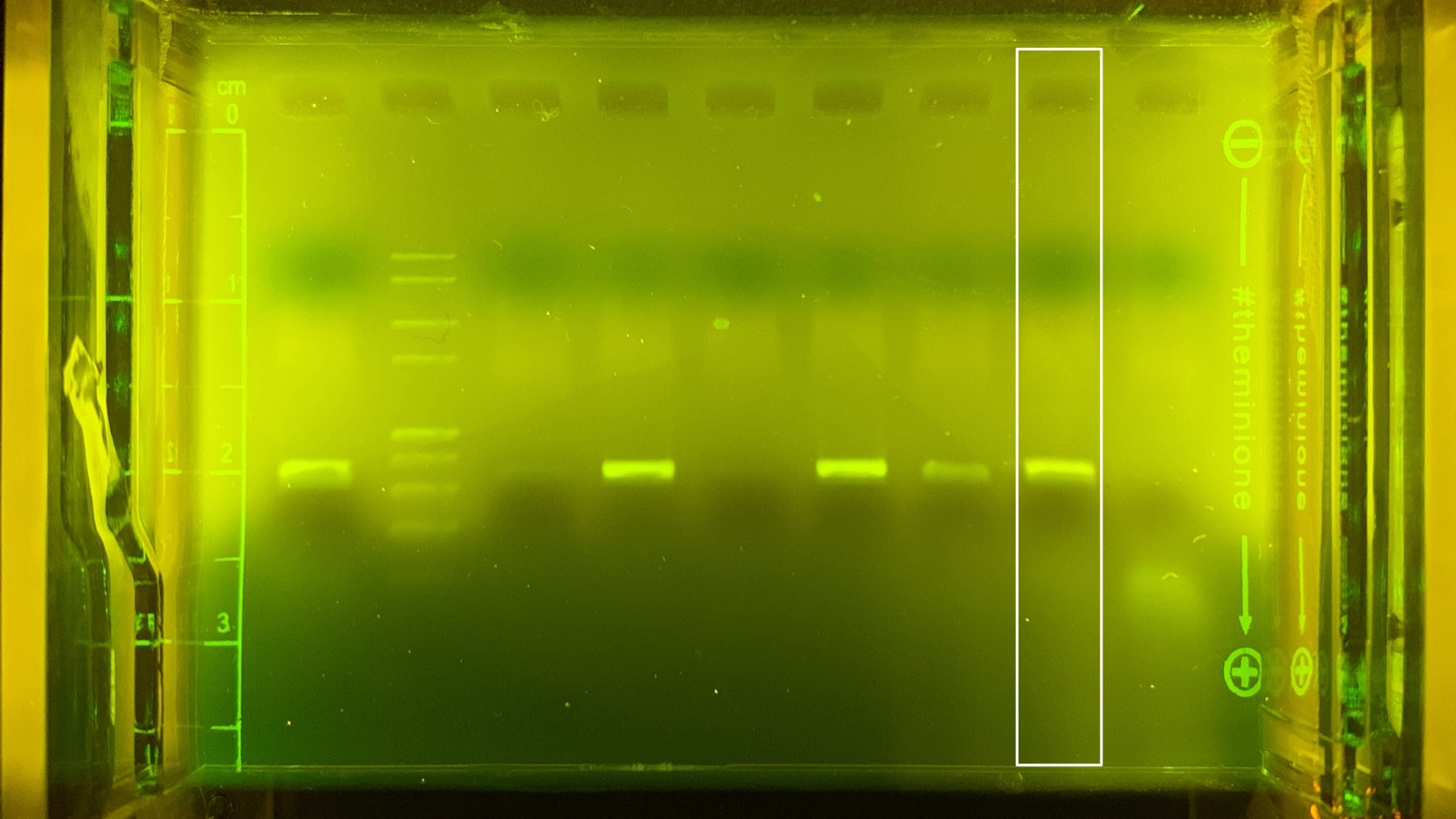
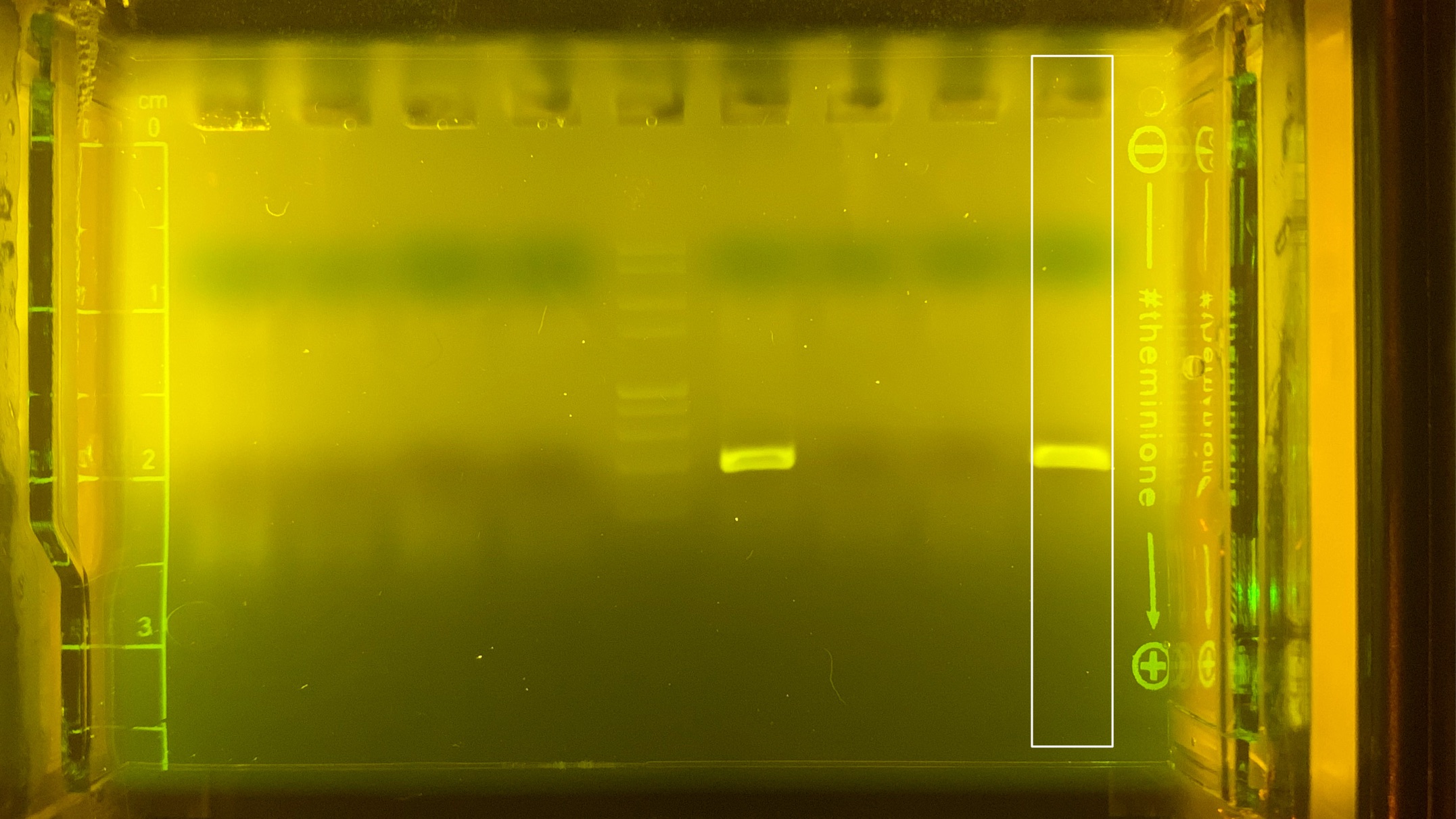
|
| Protocol notes | ArthropodPCR-Gel2: During this PCR round arthropodic DNA was targeted. The relevant sample is located in lane 7. WolbachiaPCR-Gel9: Here wolbachia was targeted. The relevant sample is located in lane 8. The results show that the sample was infected with wolbachia |
Results |
|
| Wolbachia presence | Yes |
| Confidence level | High |
| Explanation of confidence level | The band is clearly visible. (Additionally, since the first round didn‘t generate usable results, the PCR was repeated by the biology teacher, which makes the results more credible.) |
| Wolbachia 16S sequence | Download FASTA
Download AB1
|
| Arthropod COI sequence | Download FASTA
Download AB1
|
| Summary | The Formica was found to be postive for Wolbachia. |
 Millipede
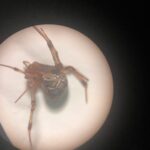 Brown Widow
 (no title)
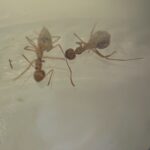 Texas Carpenter Ant
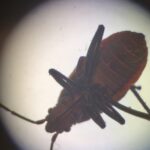 Boxelder Bug (Hemiptera)