Sample information |
|
| Picture |

|
|---|---|
| Location | Approximate location: 38.94, -77.06 |
| Collection date | 05/29/2024 |
| Captive / Cultivated? | Wild-caught |
| Group | Edmund Burke School |
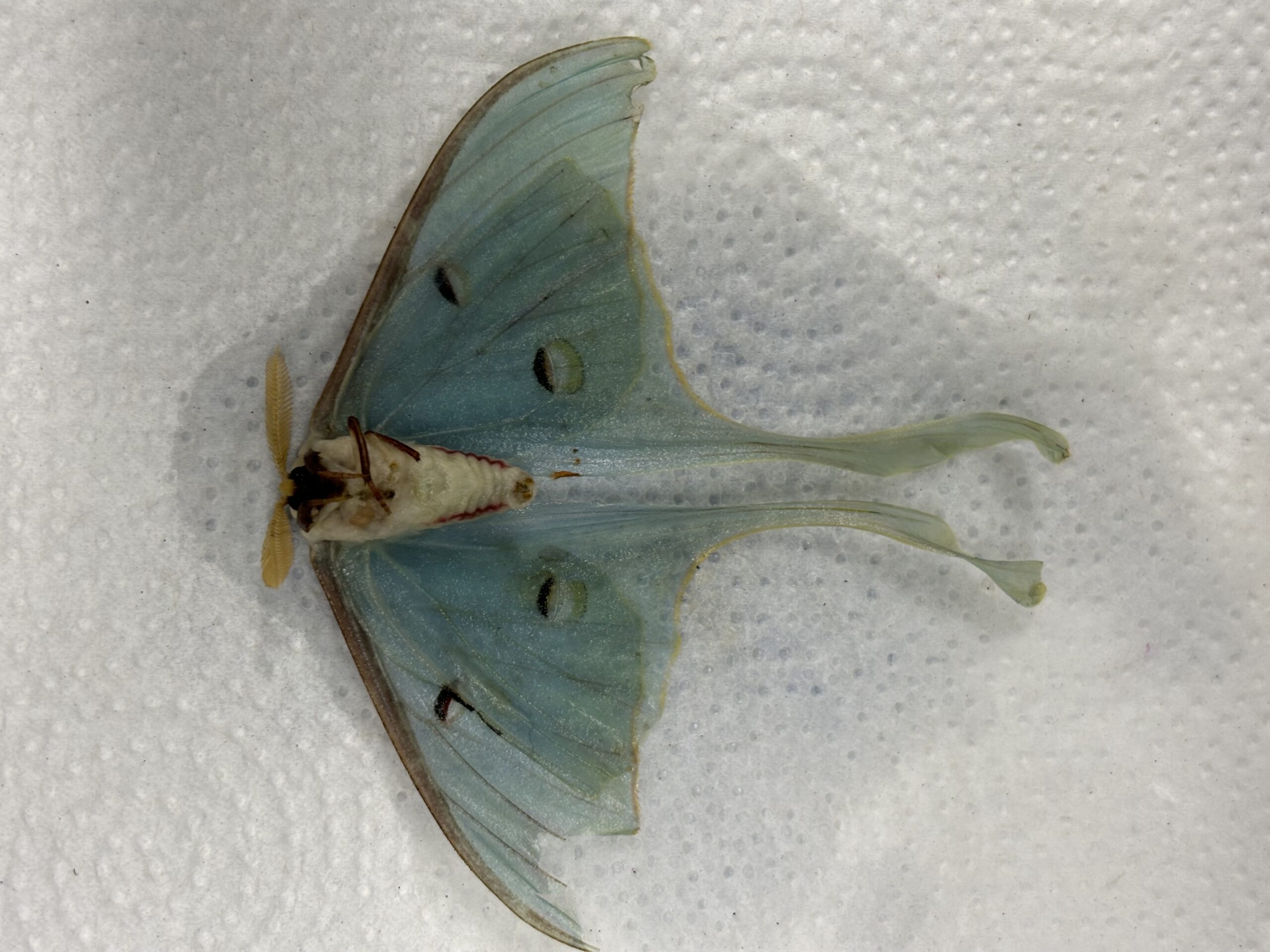
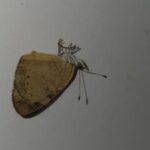
| Observations | Location: Found in alley Description: Part of right wing is gone/has injured wing. Light green wings with two spots on each wing. Tan antennae, white torso, fuzzy texture. |
| Putative identification | Arthropoda Insecta Lepidoptera Saturniidae Actias Actias luna |
Methods |
|
| Extraction kit | DNeasy (Qiagen) |
| DNA extraction location | Abdomen |
| Single or Duplex PCR | Single Reaction |
| Gel electrophoresis system | MiniOne |
| Buffer | TBE |
| DNA stain | GelGreen |
| Gel images |

|
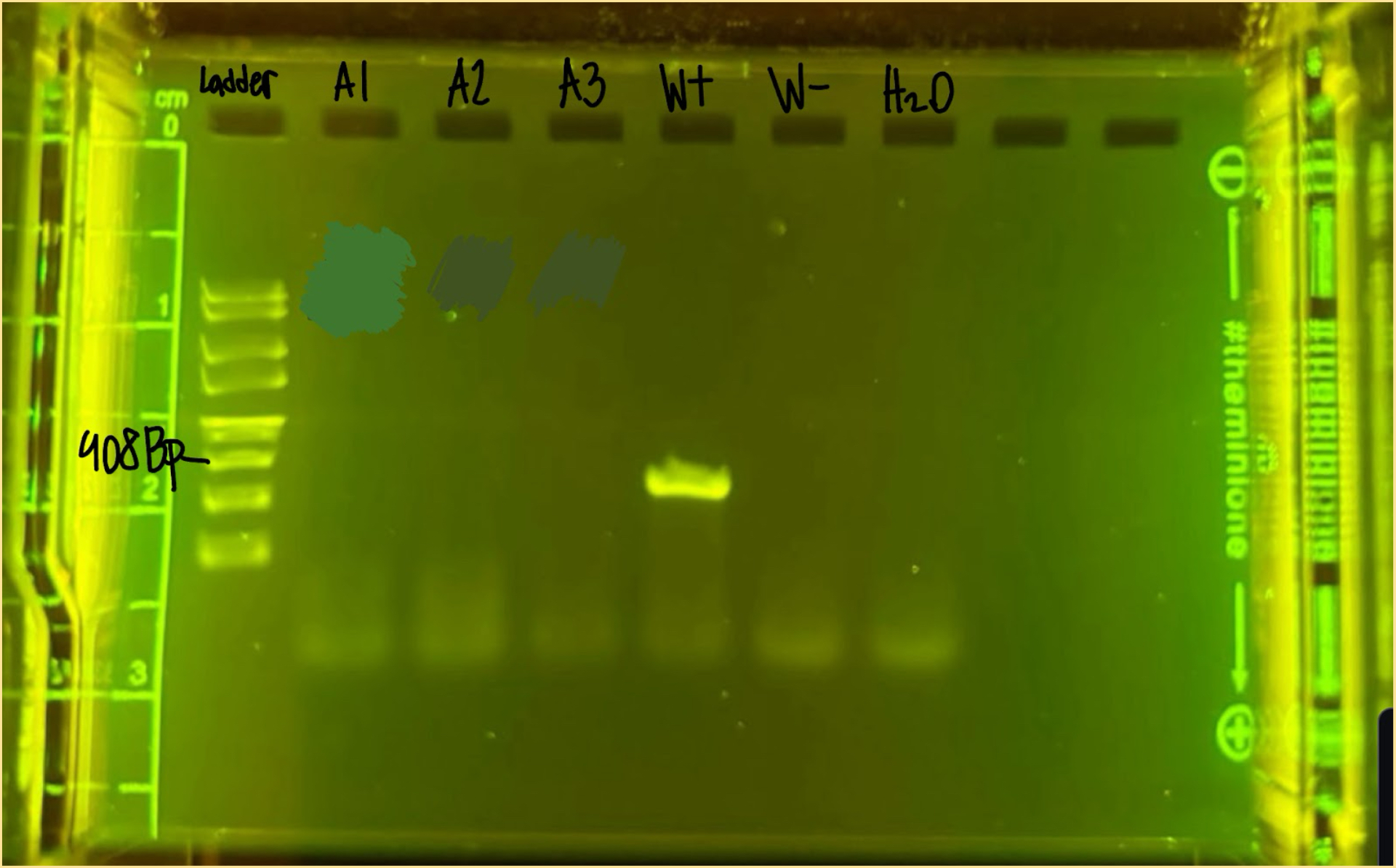
| Protocol notes | PCR: No mistakes made during PCR Gel electrophoresis, Arthropod CO1: No errors during the lab; our controls worked as intended Gel Electrophoresis, Wolbachia: No errors during the lab; our controls worked as intended |
Results |
|
| Wolbachia presence | No |
| Confidence level | High |
| Explanation of confidence level | For both our arthropod and Wolbachia gel electrophoresis, our controls showed up as they should, which told us that our DNA was copied properly and there was no cross-contamination. |
| Wolbachia 16S sequence | |
| Arthropod COI sequence |
|
| Summary | The Actias luna was found to be negative for Wolbachia. |
 Millipede
 Brown Widow
 (no title)
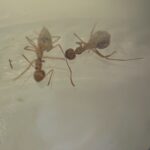 Texas Carpenter Ant
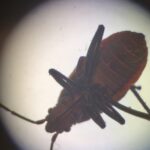 Boxelder Bug (Hemiptera)