Sample information |
|
| Picture |
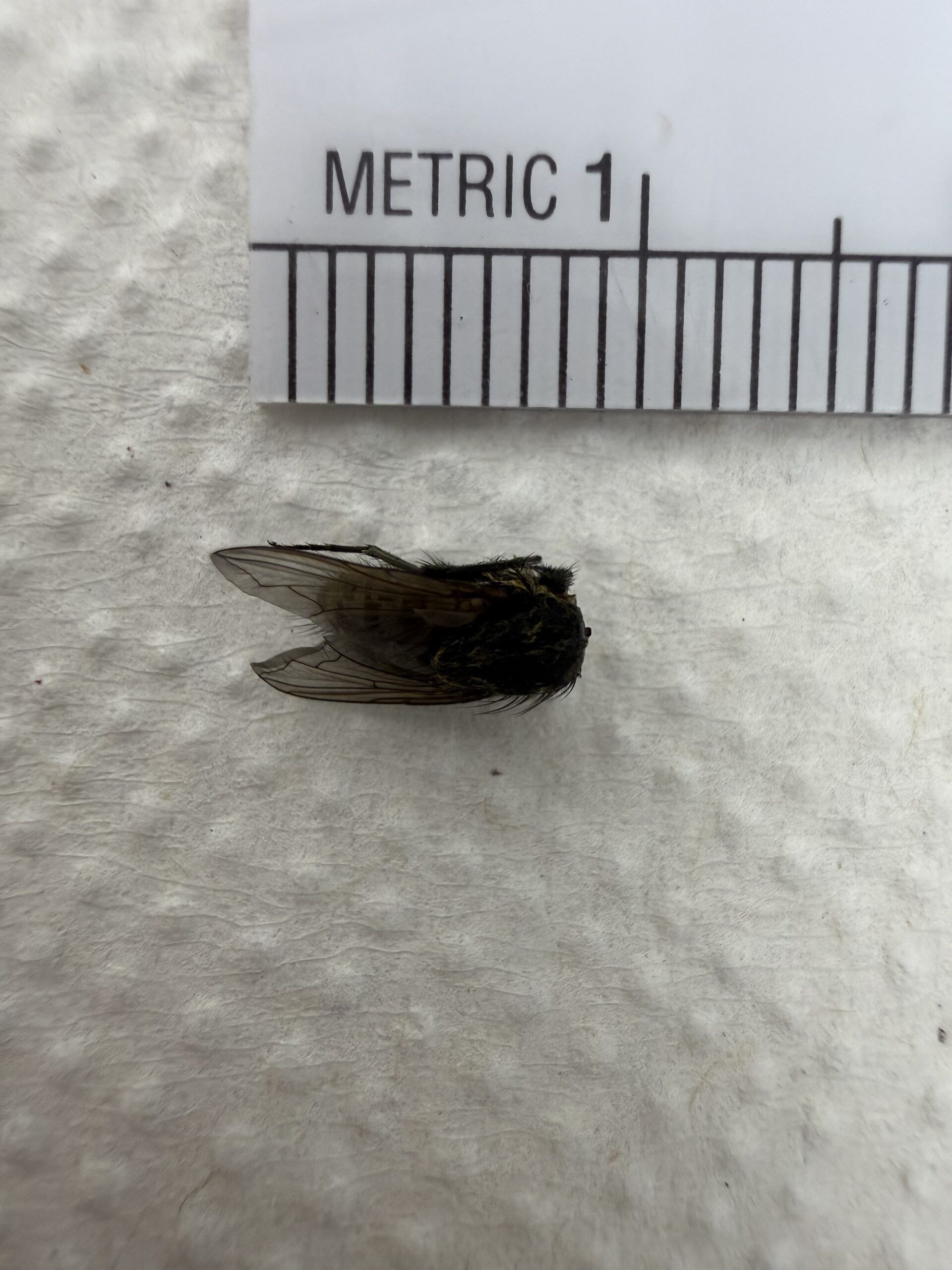
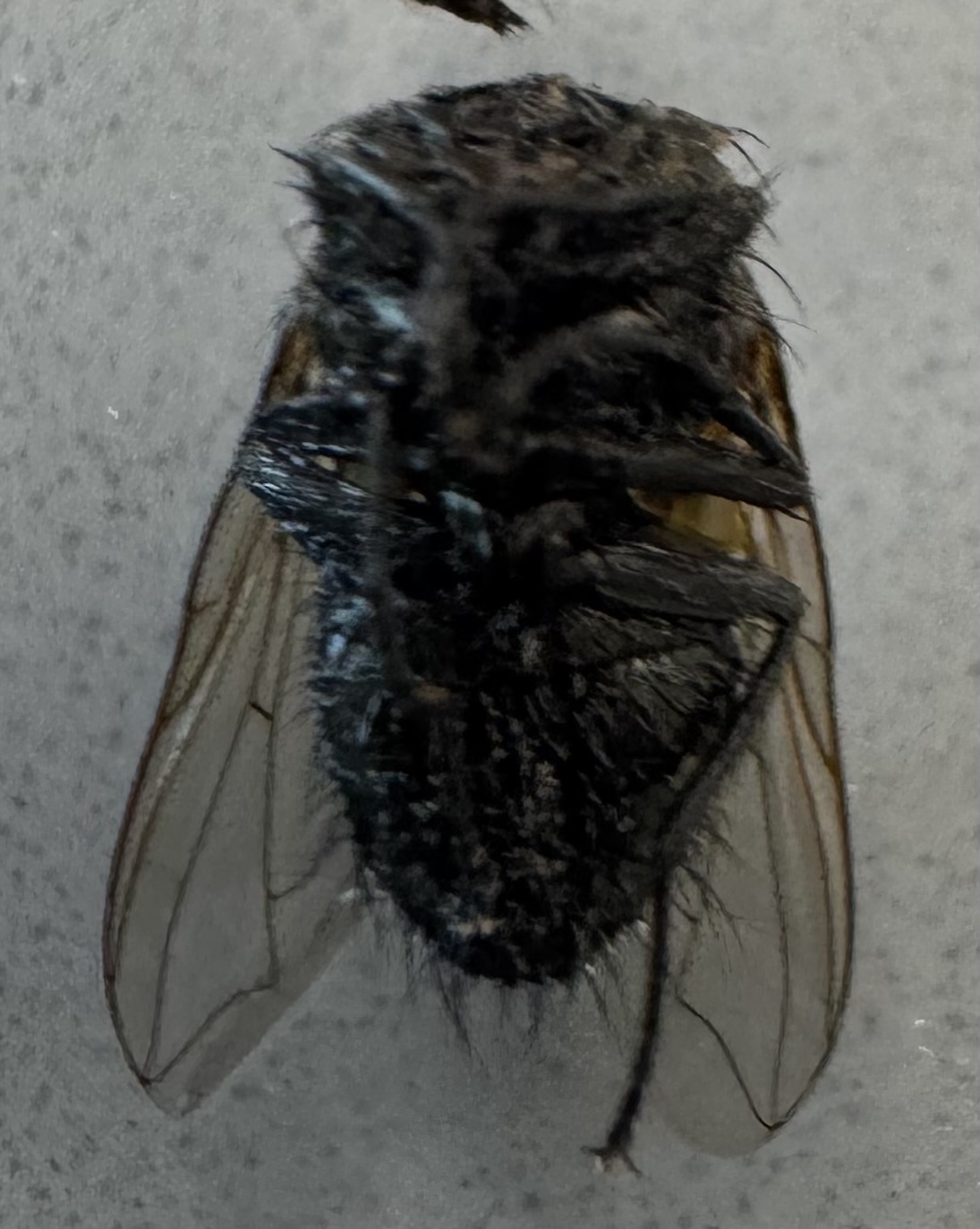
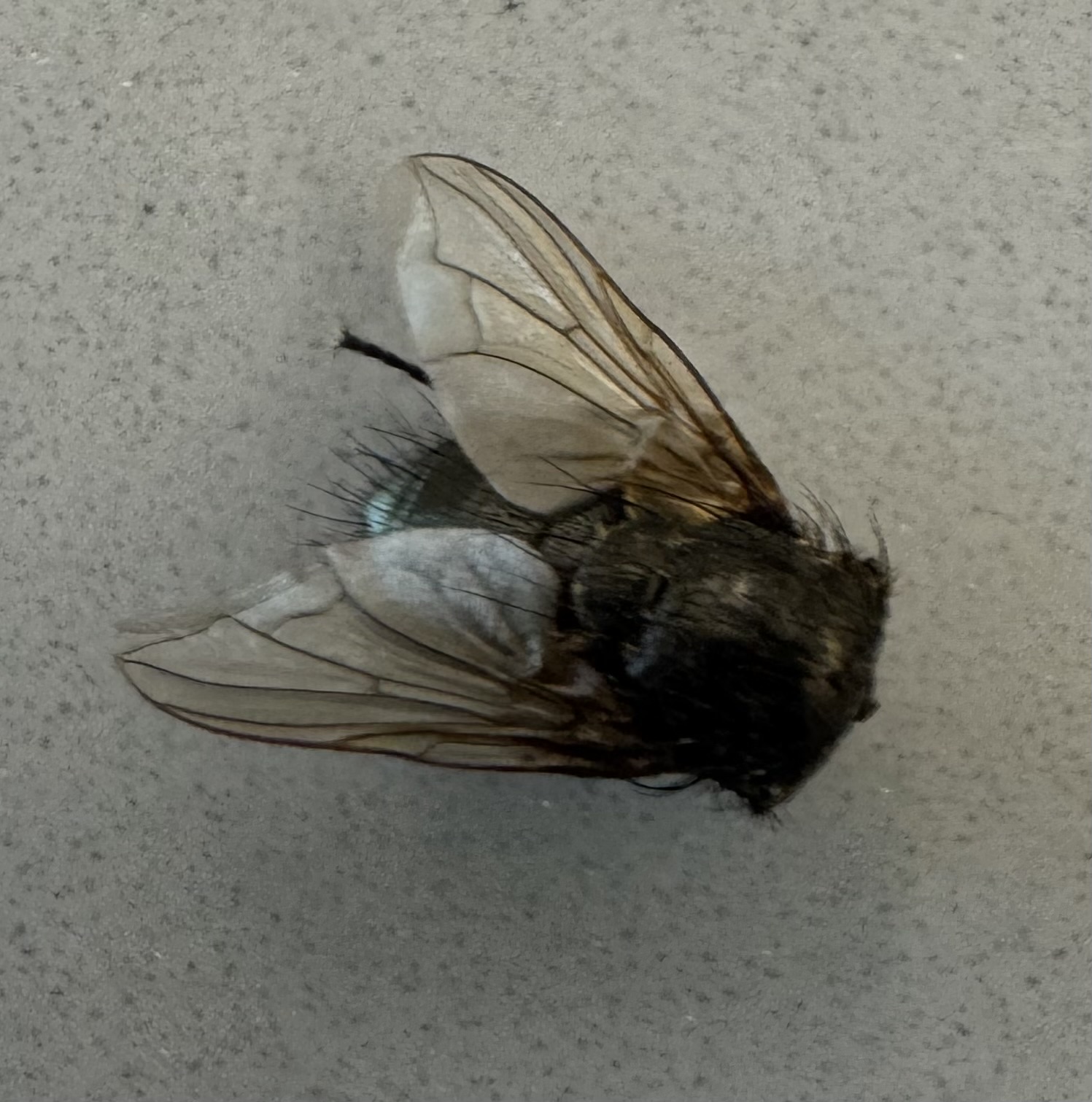
|
|---|---|
| Location | Approximate location: 42.36, -73.26 |
| Collection date | 09/29/2025 |
| Captive / Cultivated? | Wild-caught |
| Group | Berkshire Community College |
| Observations |
|
| Putative identification | Arthropoda Insecta Diptera Polleniidae Pollenia Pollenia pediculata |
Methods |
|
| Extraction kit | Monarch DNA extraction (NEB) |
| DNA extraction location | Abdomen |
| Single or Duplex PCR | Duplex Reaction |
| Gel electrophoresis system | Edvotek Gel Electrophoresis |
| Buffer | 1X TAE |
| DNA stain | SYBR Safe |
| Gel images |


|
| Protocol notes |
|
Results |
|
| Wolbachia presence | Yes |
| Confidence level | High |
| Explanation of confidence level | Yes, the results for the four control lanes match expectations because the positive control also shows the correct band, while the negative control shows no bands. This means there was no contamination, so the experiment is valid. We did our second round of gel electrophoresis for the single PCR set up on 10/29/2025 with the Wolbachia primers. Confidence level became even higher than before because we only did this with duplex, which was positive, and now single, which is also positive. The results for the four control lanes match expectations because the positive control also shows the correct bands, while the negative control shows no bands. This means there was no contamination, so the experiment is valid. |
| Wolbachia 16S sequence | Download AB1
GTGTTGCATGGCTGTCGTCAGCTCGTGTCGTGAGATGTTGGGTTAAGTCCCGCAACGAGCGCAACCCTCATCCTTAGTTACCATCAGGTAATGCTGGGGACTTTAAGGAAACTGCCAGTGATAAACTGGAGGAAGGTGGGGATGATGTCAAGTCATCATGGCCCTTATGGAGTGGGCTACACACGTGCTACAATGGTGGCTACAATGGGCTGCAAAGTCGCGAGGCTAAGCTAATCCCTTAAAAGCCATCTCAGTTCGGATTGTACTCTGCAACTCGAGTGCATGAAGTTGGAATCGCTAGTAATCGTGGATCAGCACGCCACGGTGAATACGTTCTCGGGTCTTGTACACACTGCCCGTCACGCCATGGGAATTGGTTTCACTTCGAAGCTA
BLAST at The Wolbachia Project BLAST at NCBI
|
| Arthropod COI sequence | Download AB1
GATCAGGAATAGTAGGTACCTCTTTAAGAATATTAGTTCGAGCAGAATTAGGGCATCCTGGAGCATTAATCGGTGATGATCAAATTTATAATGTAATTGTAACAGCCCATGCCTTTGTTATAATTTTTTTTATAGTTATACCTATTATAATTGGAGGATTTGGAAATTGACTTGTTCCTTTAATATTAGGAGCACCTGATATAGCATTCCCTCGAATGAATAATATAAGTTTTTGACTATTACCTCCTGCACTTACATTATTATTGGTGAGCAGTATAGTGGAAAACGGAGCTGGGACAGGATGAACTGTTTACCCACCTCTATCTTCTAATATTGCTCATGGAGGAGCTTCTGTTGATTTAGCTATTTTTTCTCTTCATTTAGCAGGAATTTCTTCAATTTTAGGAGCAGTTAATTTTATTACAACTGTAATTAATATACGATCTACAGGTATTACATTTGACCGAATACCTTTATTTGTTTGATCTGTAGTAATTACAGCATTATTACTTCTTTTATCCTTACCTGTATTAGCAGGAGCTATCACTATATTATTAACAGATCGAAATTTAAATACTTCCTTTTTTGATCCTGCAGGAGGAGGAGACCCAATTTTATACCAACATTTATTTTGA
BLAST at The Wolbachia Project BLAST at NCBI
|
| Summary | The Pollenia pediculata was found to be postive for Wolbachia. |
 Millipede
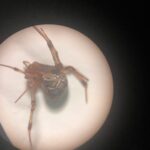 Brown Widow
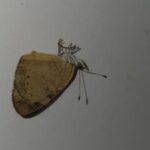 (no title)
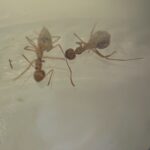 Texas Carpenter Ant
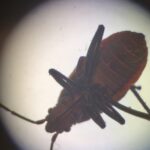 Boxelder Bug (Hemiptera)