Sample information |
|
| Picture |
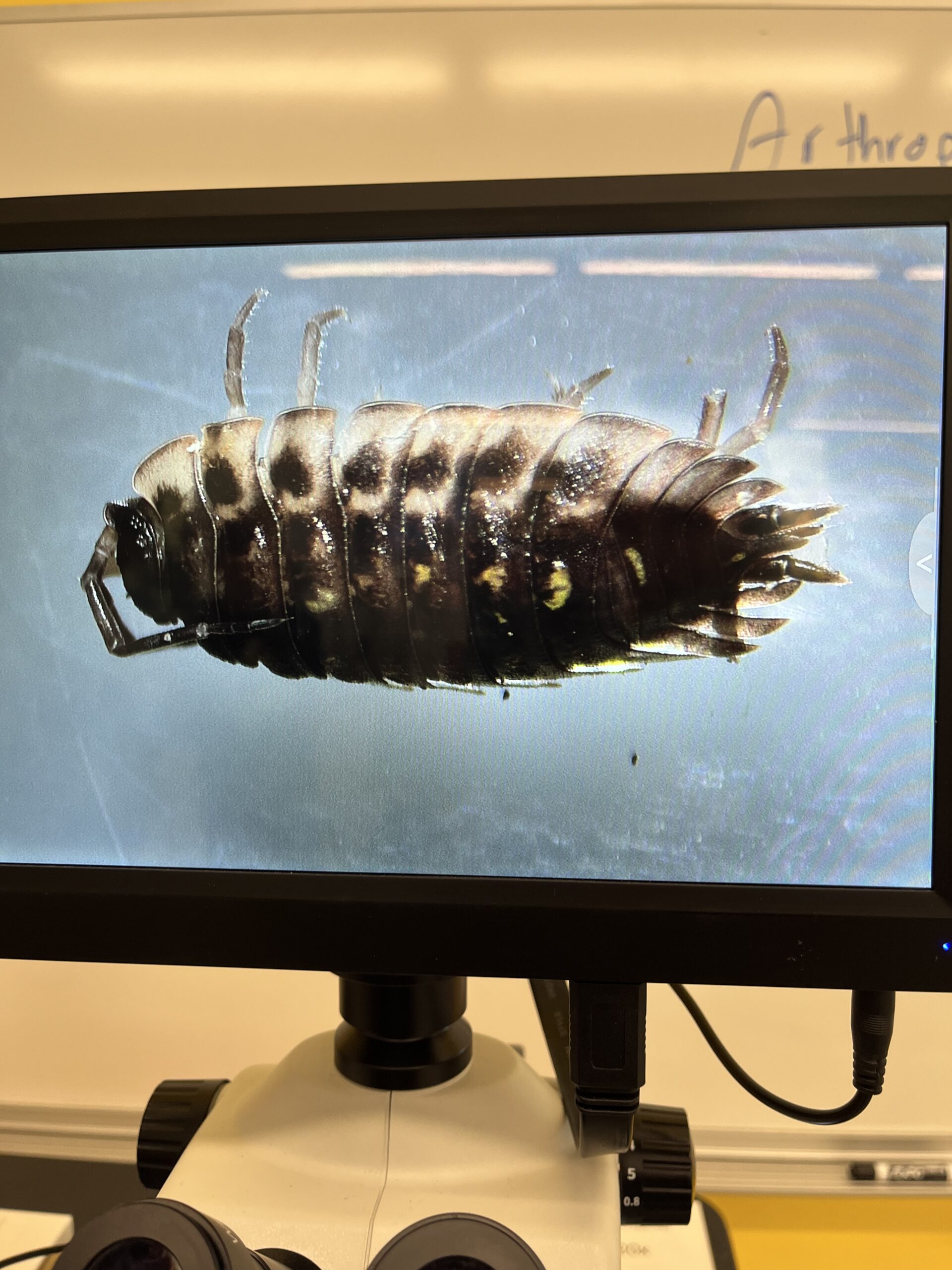
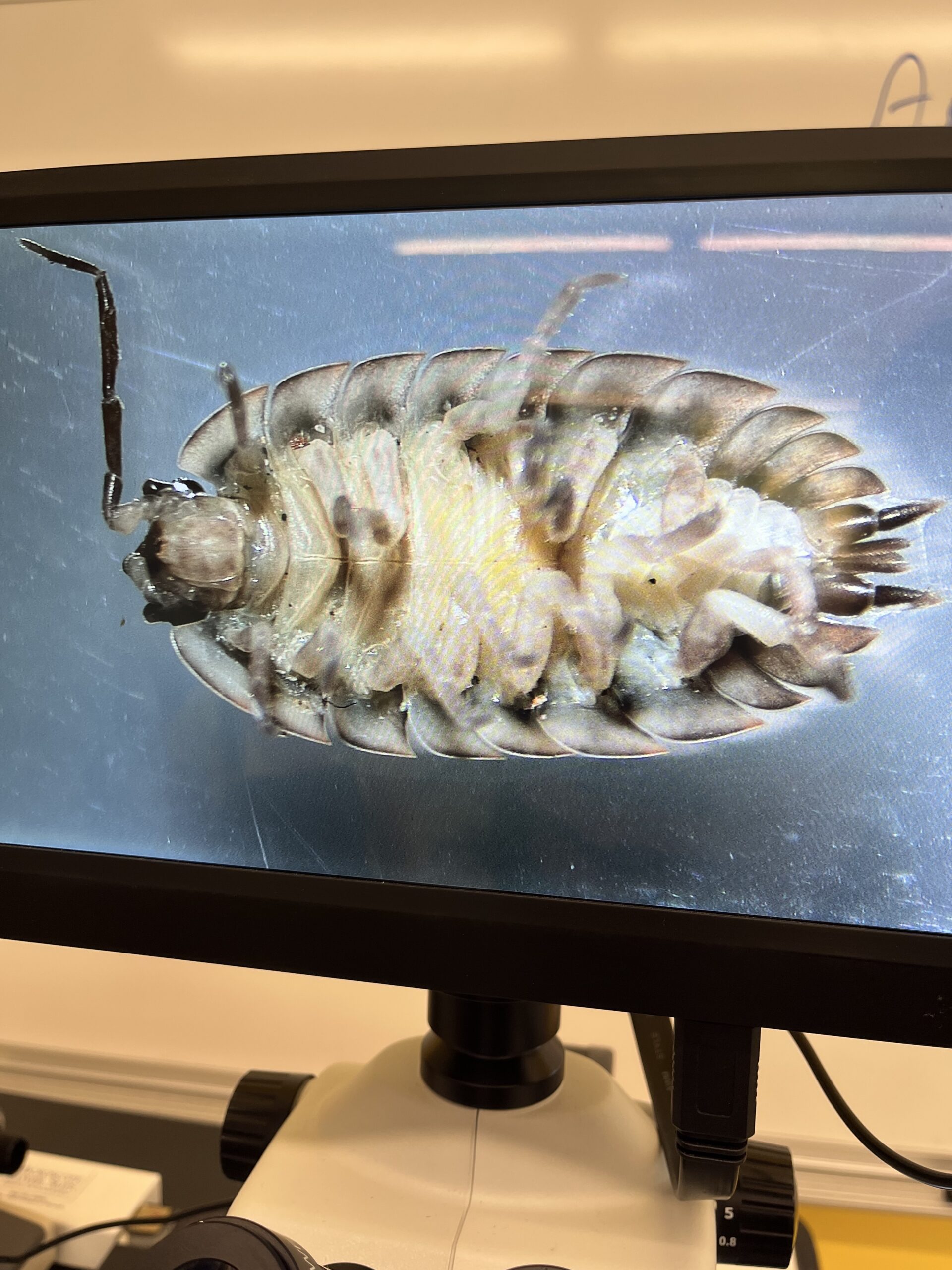
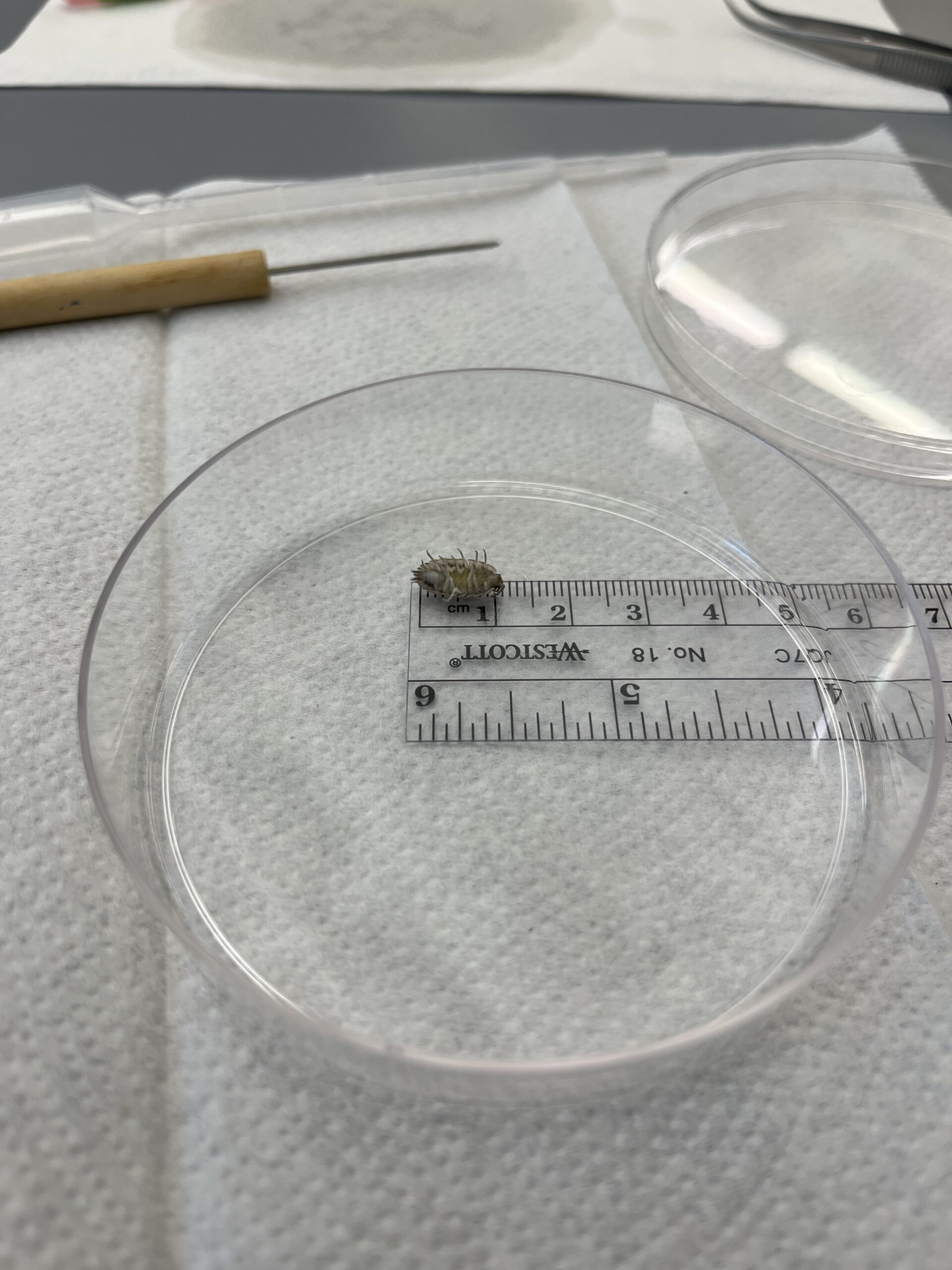
|
|---|---|
| Location | Approximate location: 42.16, -73.05 |
| Collection date | 09/26/2025 |
| Captive / Cultivated? | Wild-caught |
| Group | Berkshire Community College |
| Observations | The arthropod was found under a rock initially rolled into a ball. Once the specimen was submerged into alcohol it unrolled. |
| Putative identification | Arthropoda Malacostraca Isopoda Armadillidae |
Methods |
|
| Extraction kit | Monarch DNA extraction (NEB) |
| DNA extraction location | Partial abdomen |
| Single or Duplex PCR | Duplex Reaction |
| Gel electrophoresis system | Edvotek Gel Electrophoresis |
| Buffer | 1X TAE |
| DNA stain | SYBR Safe |
| Gel images |
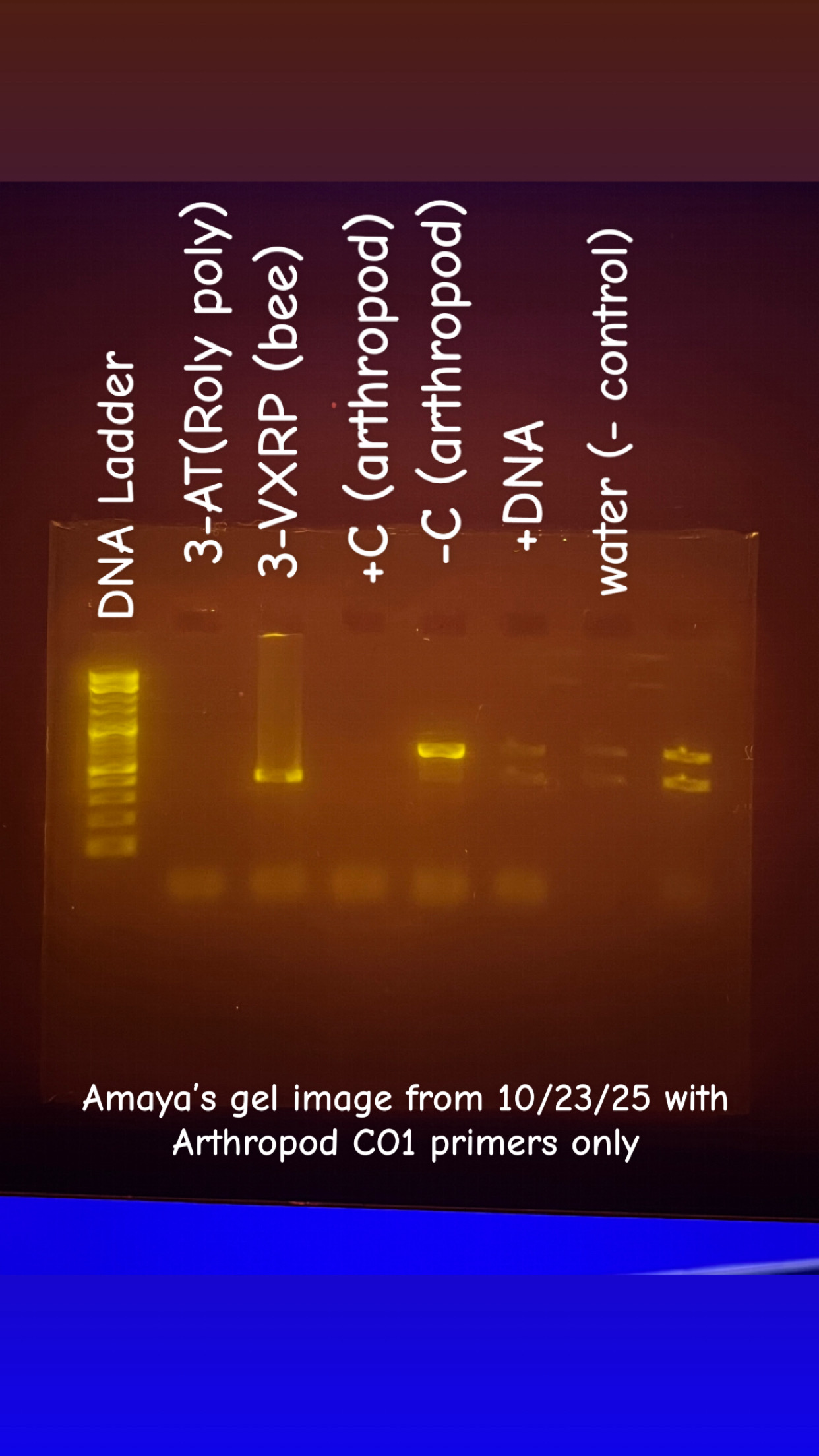
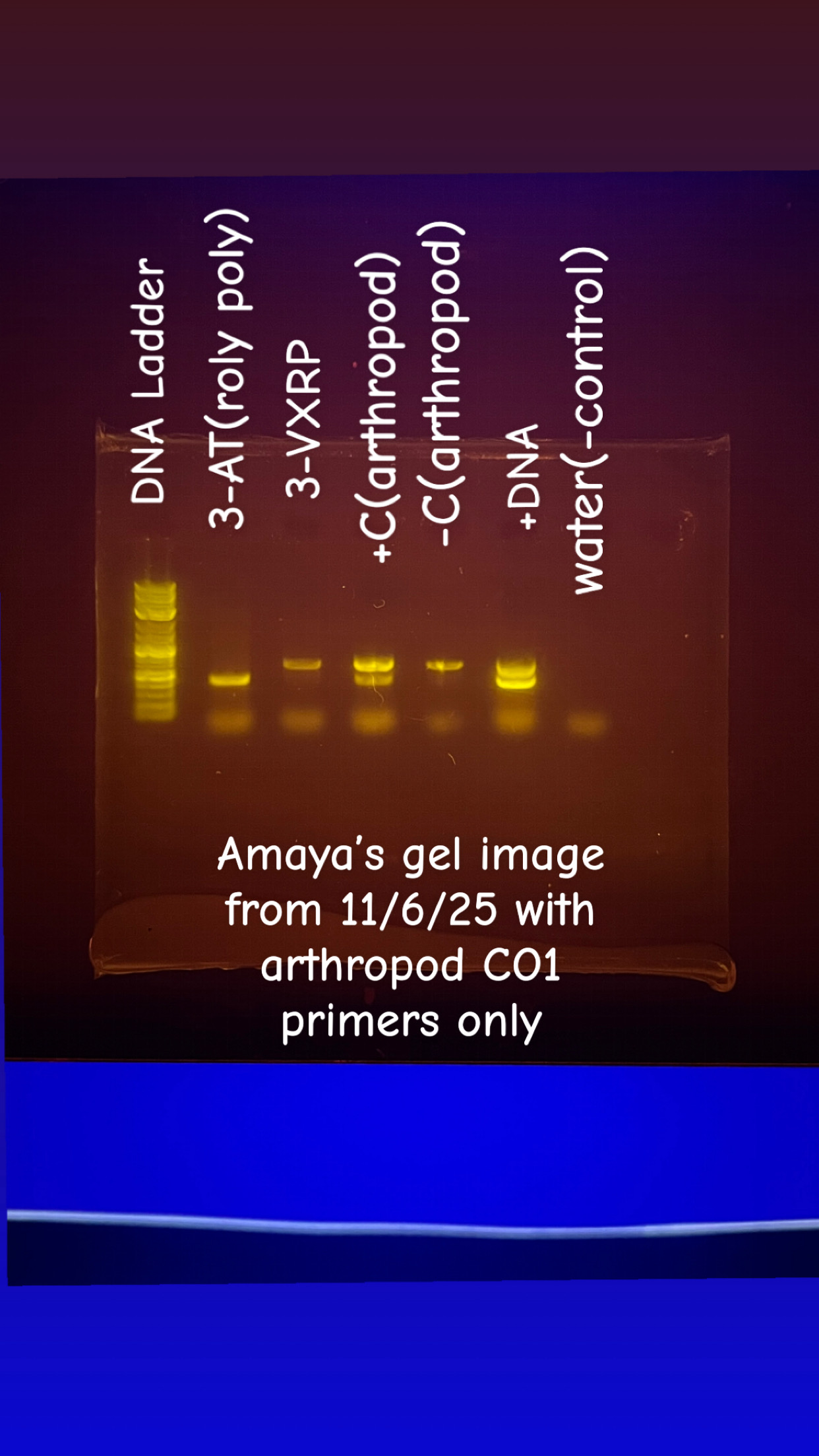
|
| Protocol notes |
|
Results |
|
| Wolbachia presence | Yes |
| Confidence level | Low |
| Explanation of confidence level | In our first Gel image it shows in row 2 (3-AT) negative results. There would be two bands if positive, but there are no bands. In our second gel image it shows row 2(3-AT) has positive results for Wolbachia because it had a band at about 400bp and no bands for Arthropod. |
| Wolbachia 16S sequence | Download AB1
GTGTTGCATGGCTGTCGTCAGCTCGTGTCGTGAGATGTTGGGTTAAGTCCCGCAACGAGCGCAACCCTCATCCTTAGTTACCATCAGATAATGCTGGGGACTTTAAGGAAACTGCTAGTGATAAACTGGAGGAAGGTGGGGATGATGTCAAGTCATCATGGCCCTTATGGAGTGGGCTACACACGTGCTACAATGGTGGCTACAATGGGCTGCAAAGTCGCGAGGCTAAGCTAATCCCTTAAAAGCCATCTCAGTTCGGATTGCACTCTGCAACTCGAGTGCATGAAGTTGGAATCGCTAGTAATCGTGGATCAGCATGCCACGGTGAATACGTTCTCGGGTCTTGTACACACTGCCCGTCACGCCATGGGAATTGGTTTCACTTCGAAGCTA
BLAST at The Wolbachia Project BLAST at NCBI
|
| Arthropod COI sequence |
|
| Summary | The Armadillidae was found to be postive for Wolbachia. |
 Millipede
 Brown Widow
 (no title)
 Texas Carpenter Ant
 Boxelder Bug (Hemiptera)