Sample information |
|
| Picture |
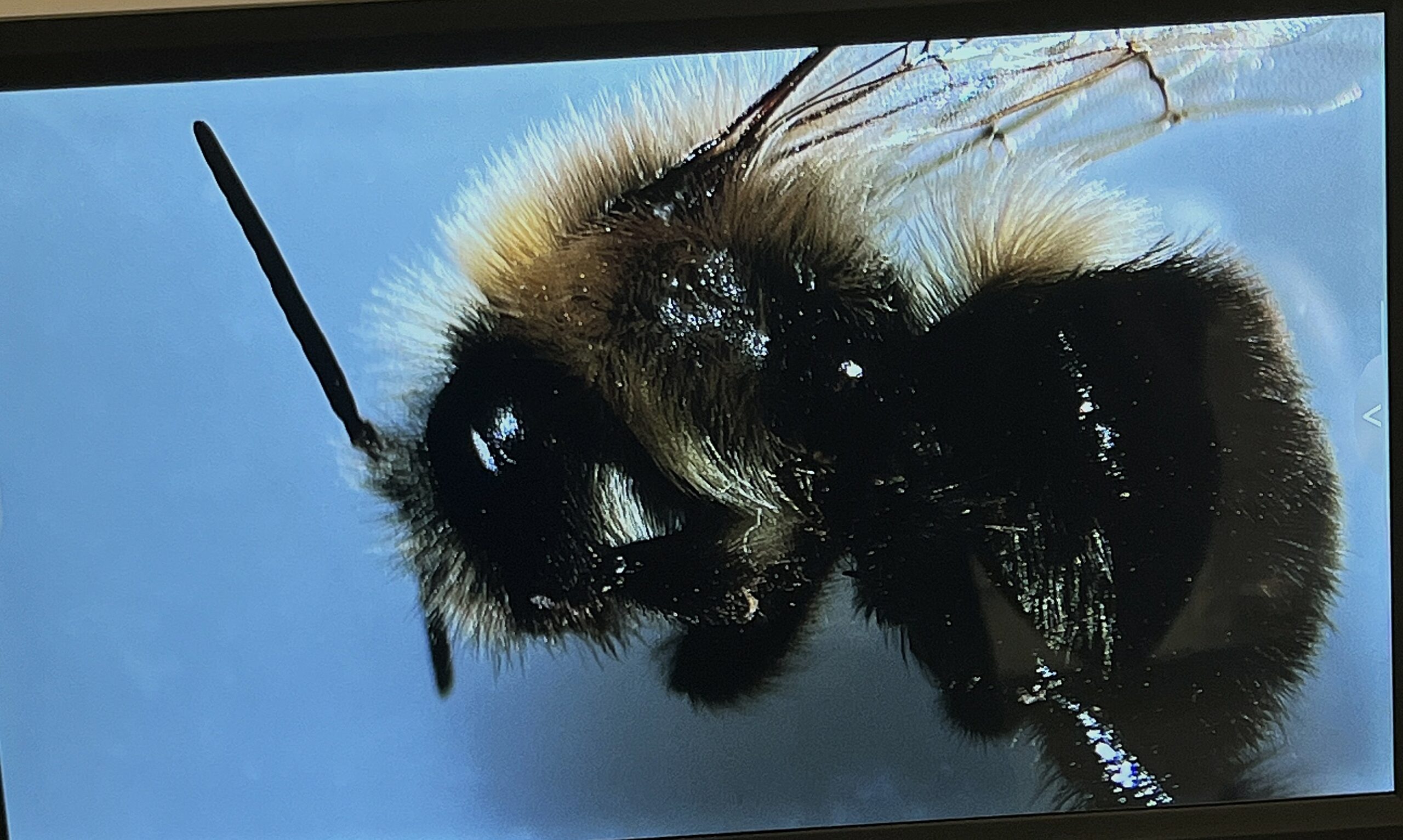
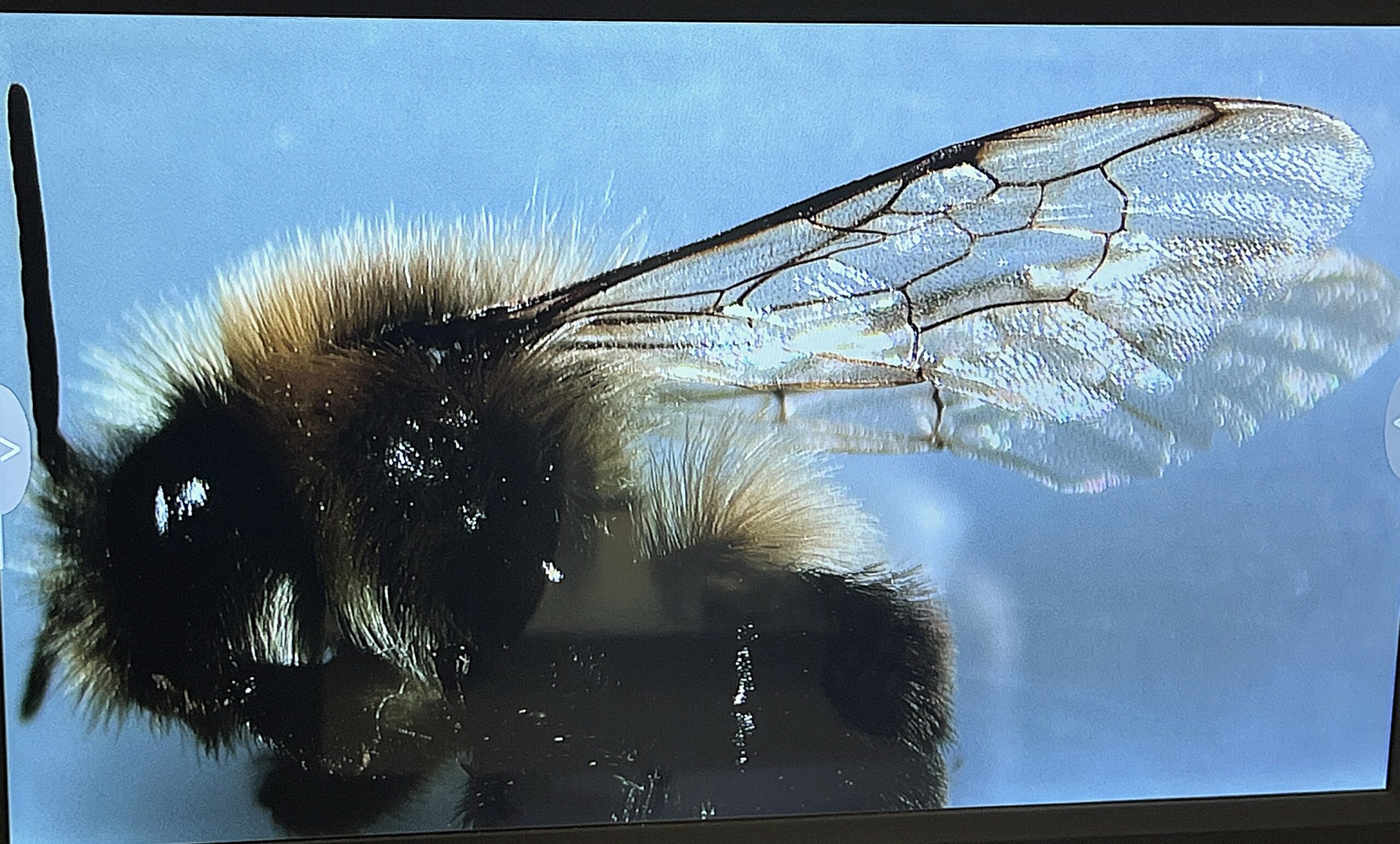
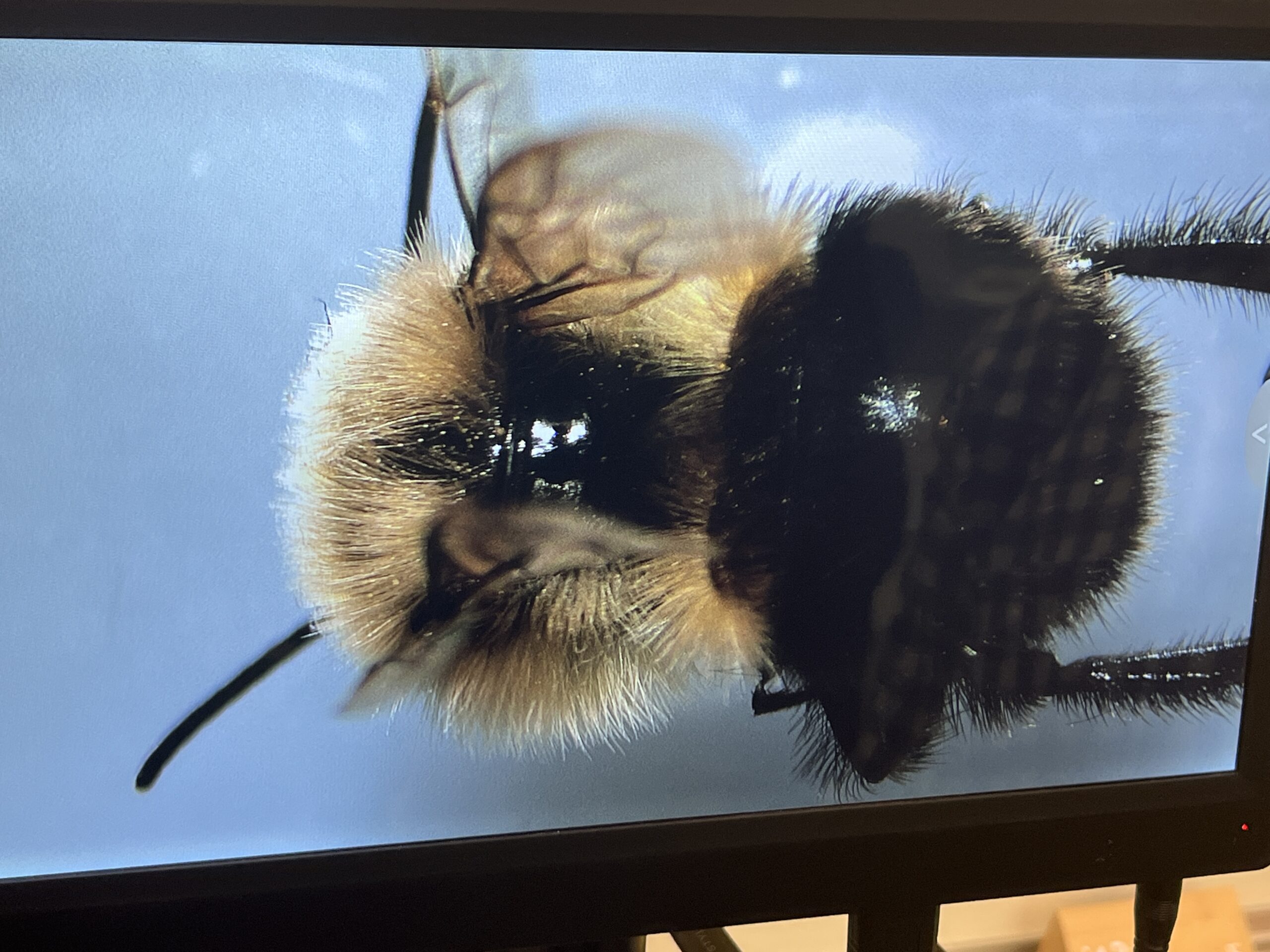
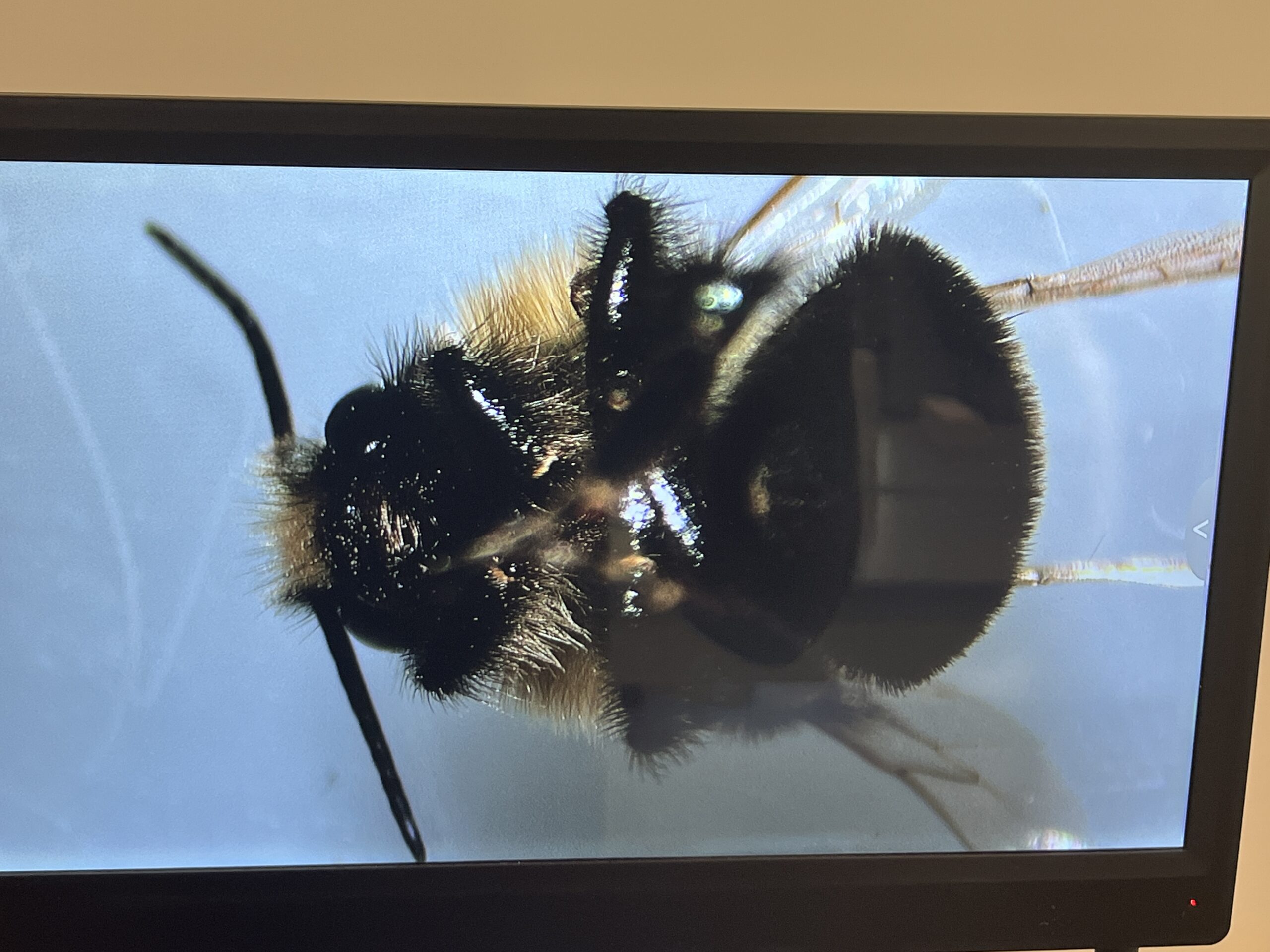
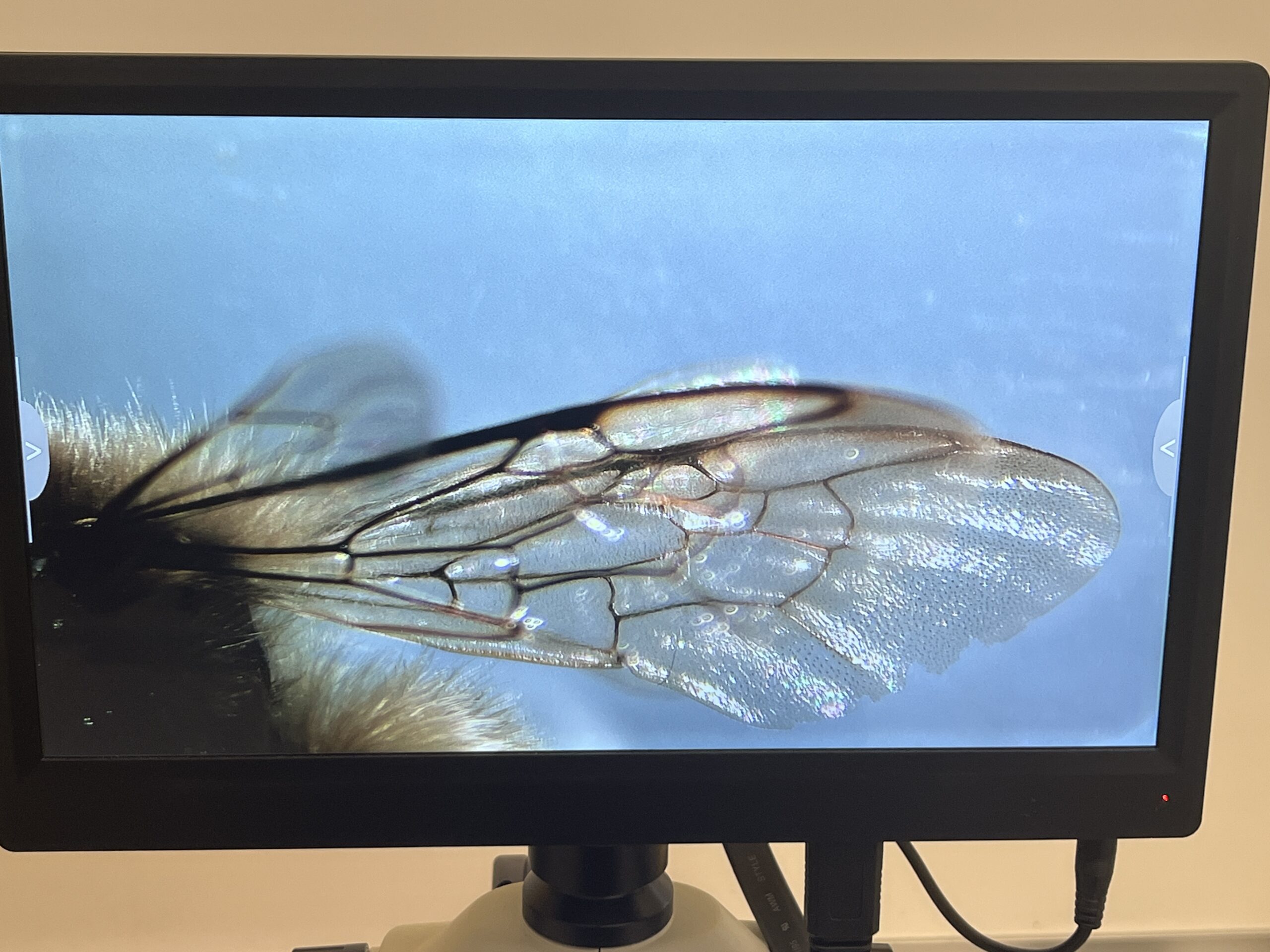
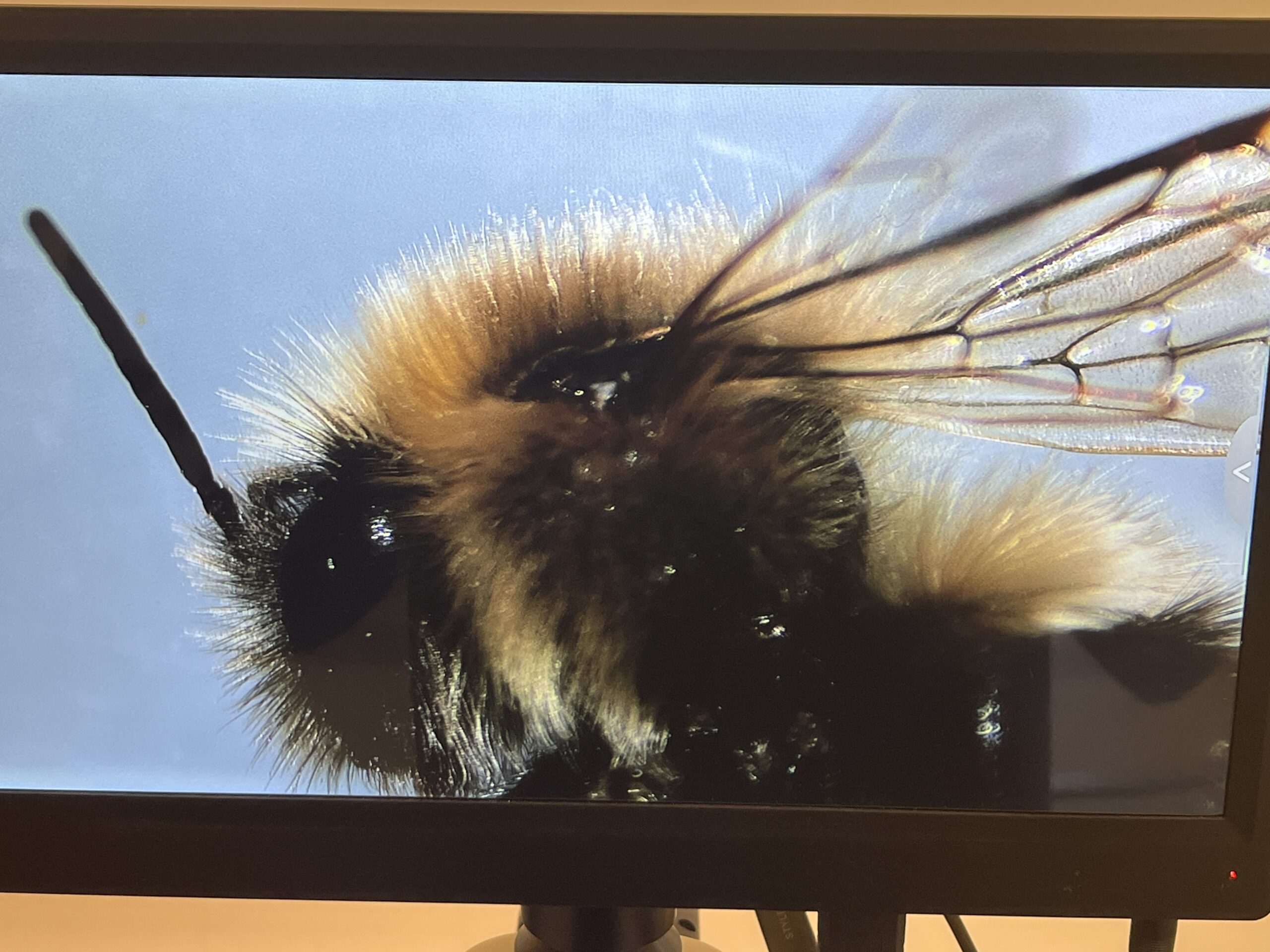
|
|---|---|
| Location | Approximate location: 42.46, -73.32 |
| Collection date | 10/01/2025 |
| Captive / Cultivated? | Wild-caught |
| Group | Berkshire Community College |
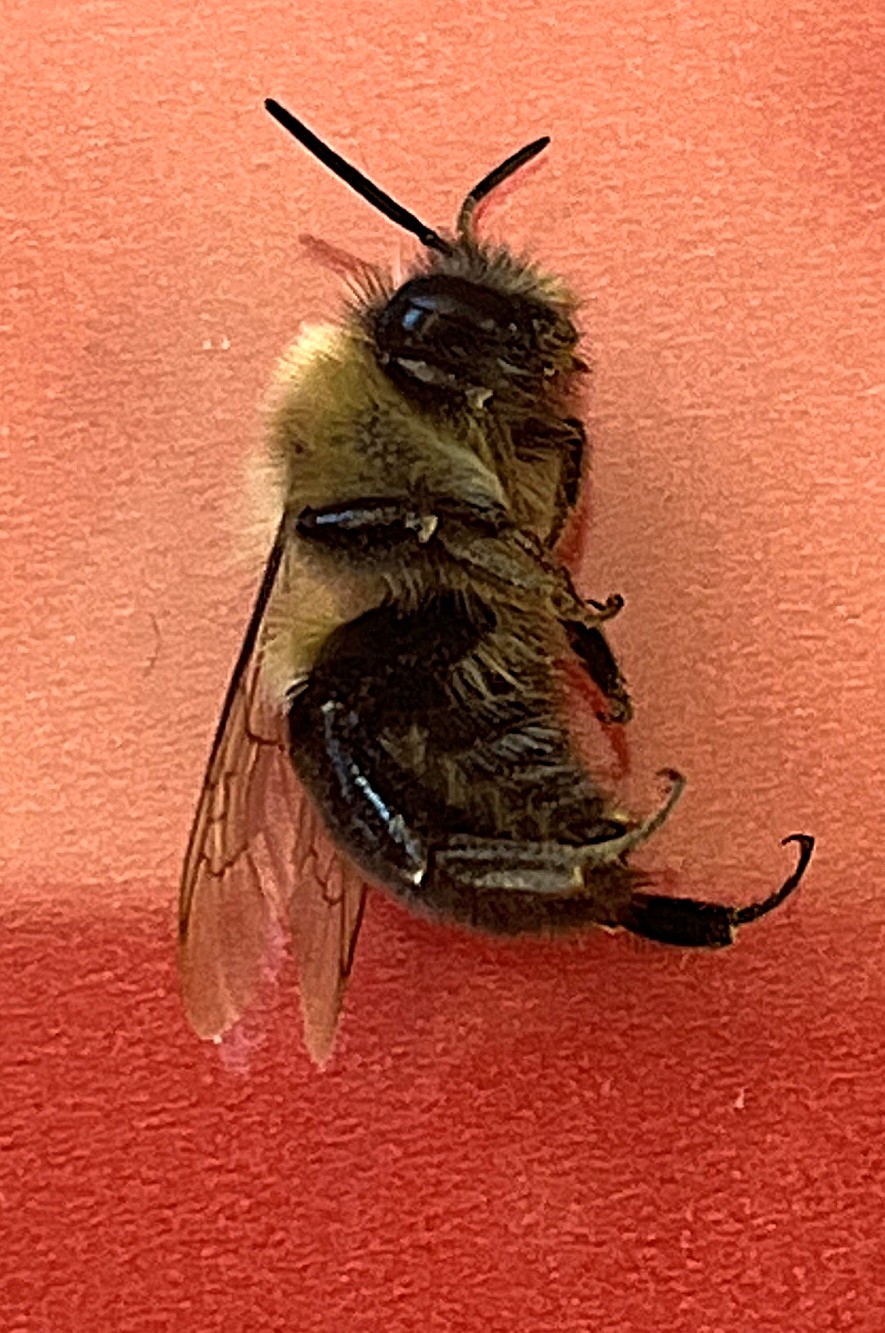
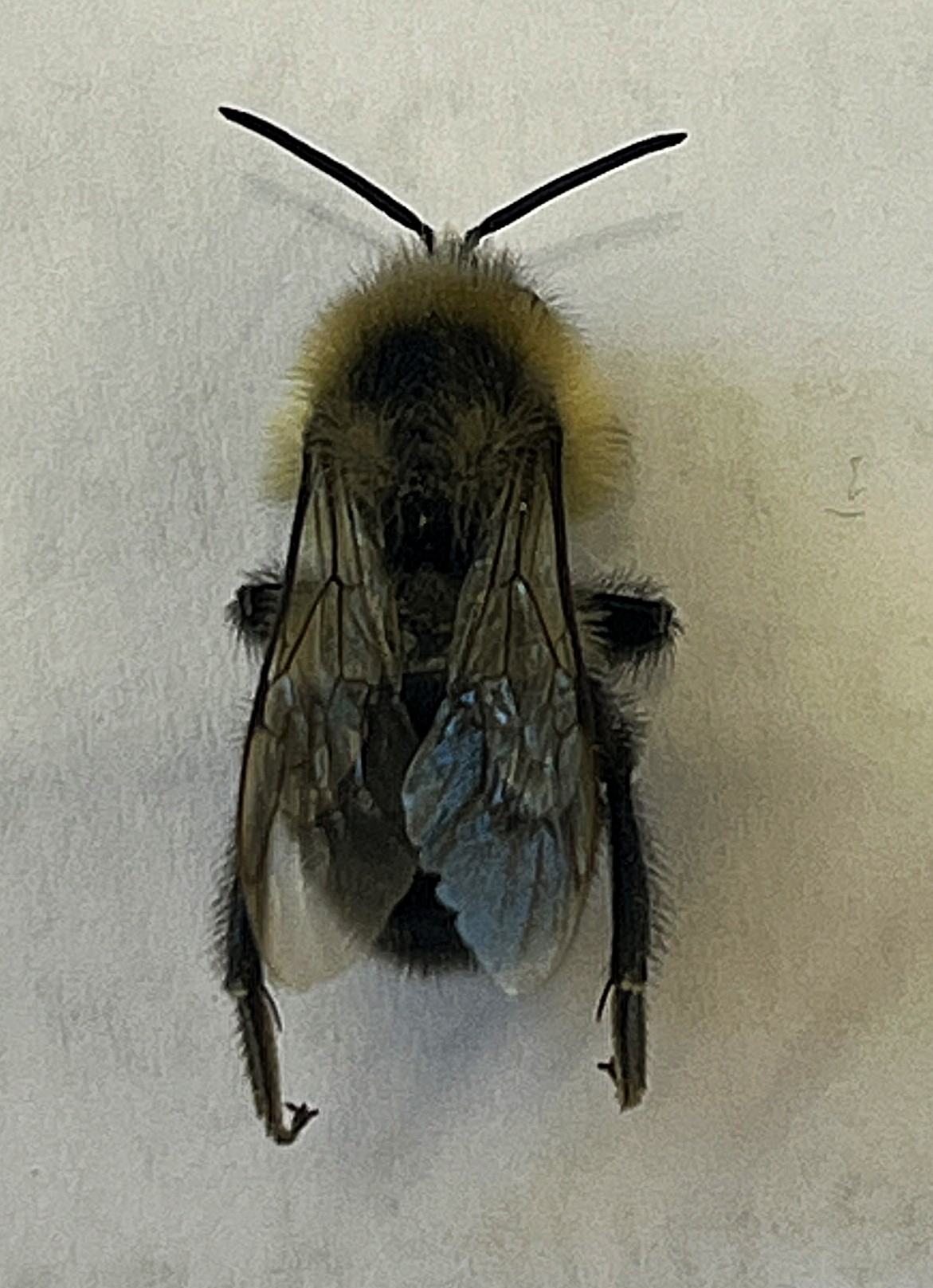
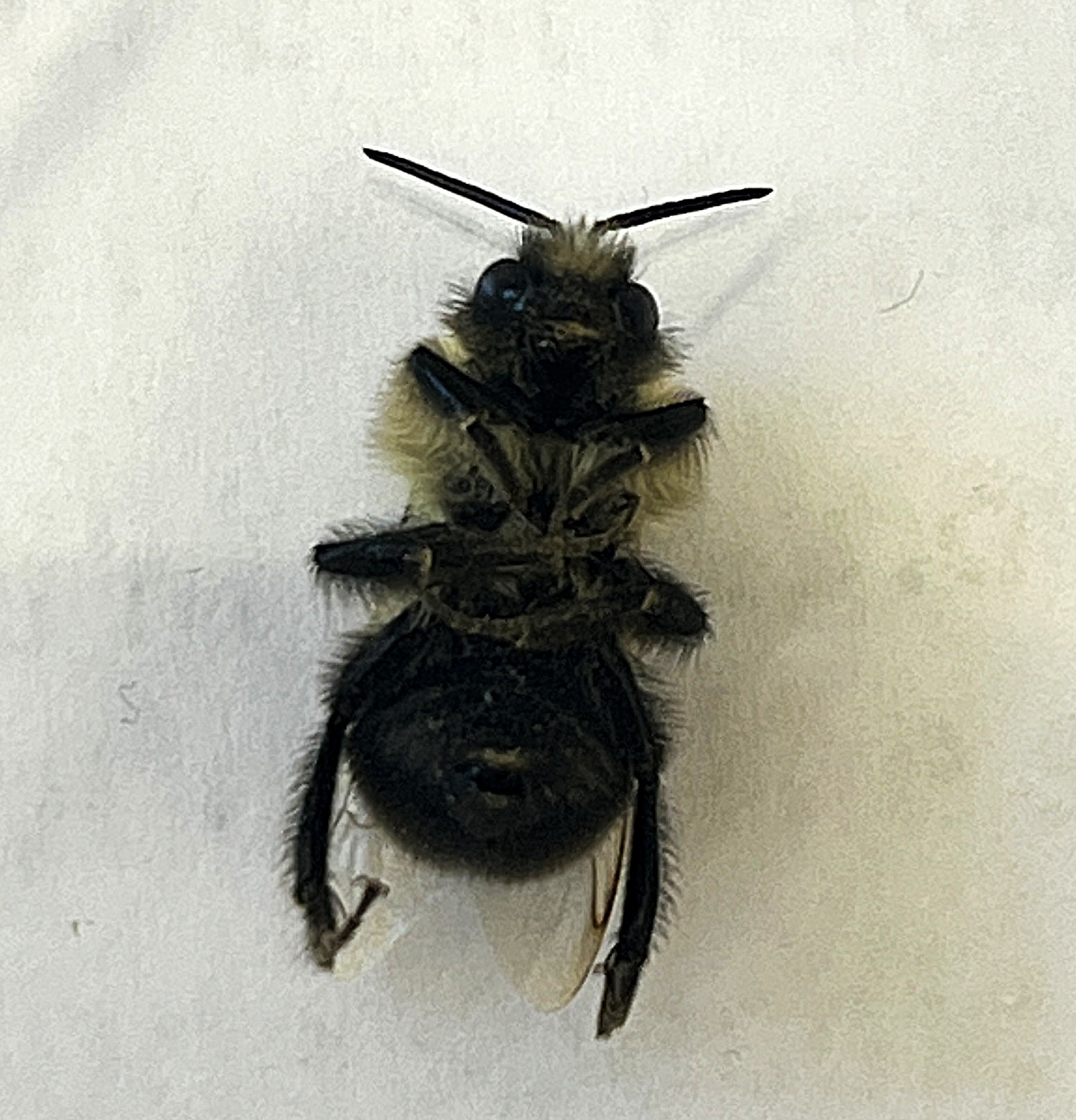
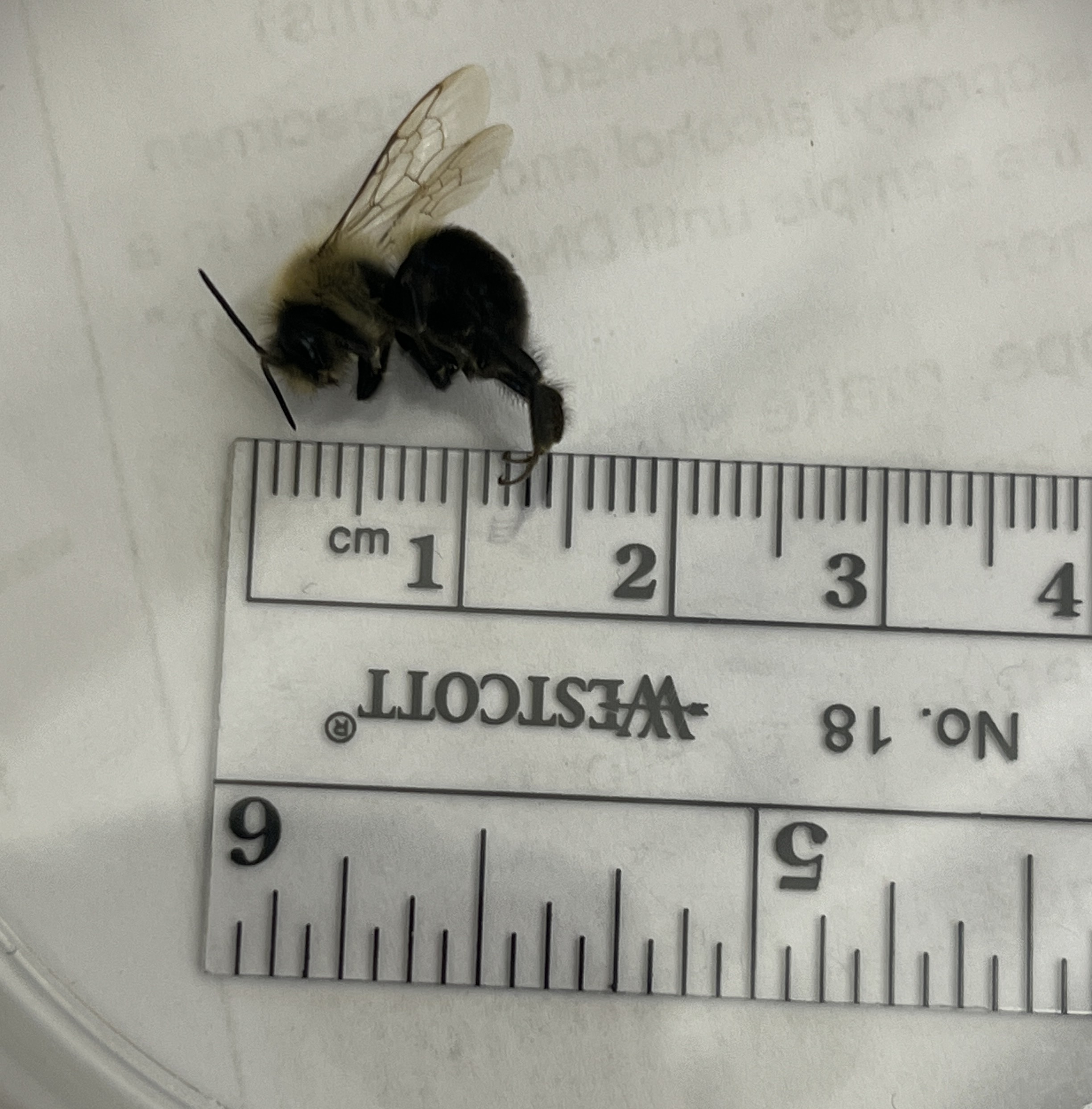
| Observations | It has a head, thorax, and abdomen, characterized by black and yellow coloration. The head and thorax are covered with yellow fur, while the abdomen is black. It also has two large compound eyes, four wings, and antennae. |
| Putative identification | Arthropoda Insecta Hymenoptera Apidae Bombus Bombus impatiens |
Methods |
|
| Extraction kit | Monarch DNA extraction (NEB) |
| DNA extraction location | Abdomen |
| Single or Duplex PCR | Duplex Reaction |
| Gel electrophoresis system | Edvotek Gel Electrophoresis |
| Buffer | 1X TAE |
| DNA stain | SYBR Safe |
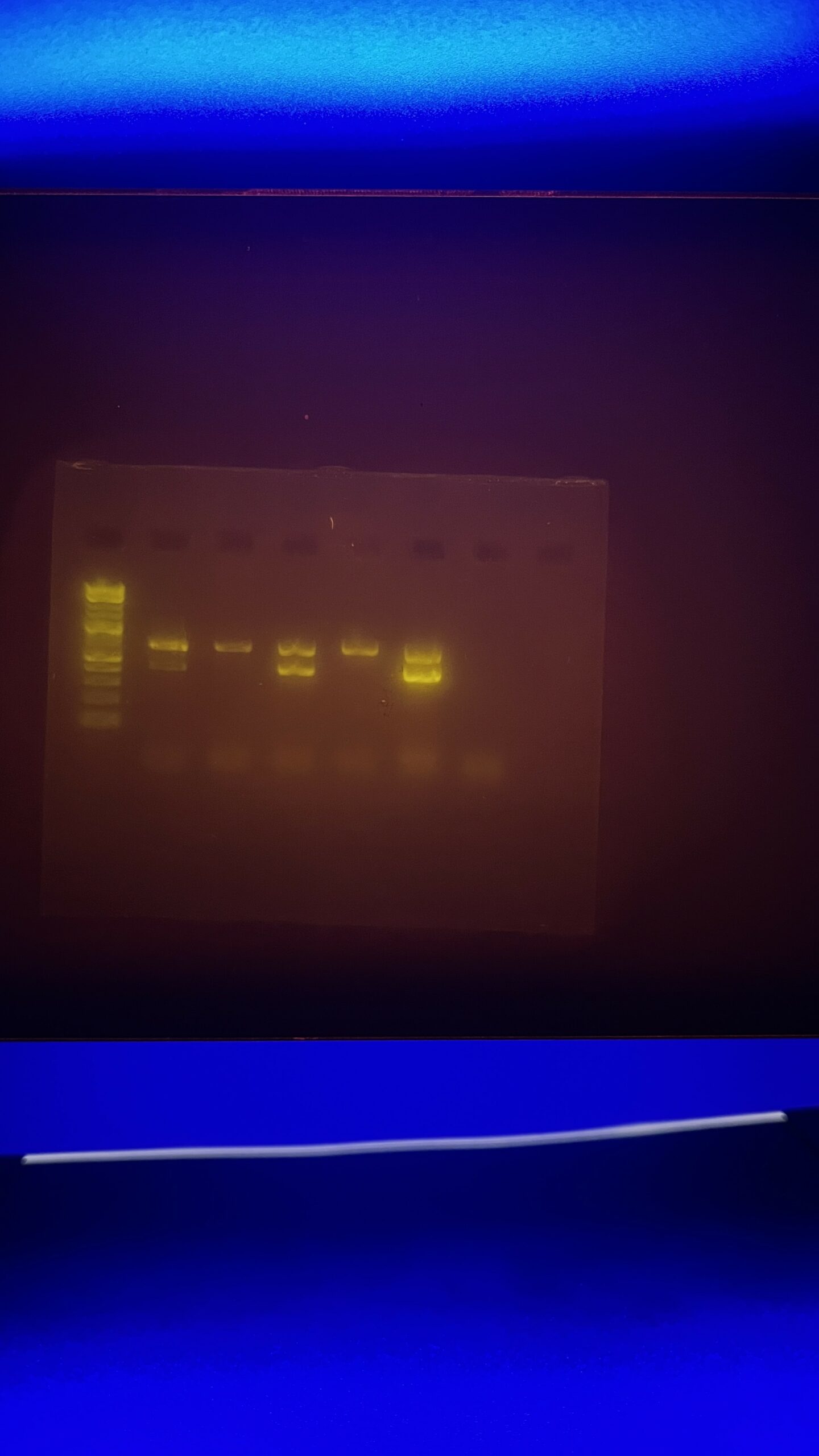
| Gel images |


|
| Protocol notes | We used a DNA extraction protocol based on the insect adaptation of New England Biolabs’ Monarch Spin gDNA Extraction kit (Product # T3010). The specimen was incubated for 40minutes in a hot water bath at 56 degrees C. Our first PCR reaction was set up on 10/14/2025 and:
|
Results |
|
| Wolbachia presence | Yes |
| Confidence level | Medium |
| Explanation of confidence level | Results for the 4 control lanes matched expectations after the duplex PCR because both positive arthropod and positive DNA controls had the 708bp and 438bp bands which represent the CO1 and 16sRNA genes respectively. The negative arthropod control had only the 708bp representing CO1 gene and the water also showed no signs of contamination, confidently confirming that the experimental results are valid. After the single PCR for Wolbachia F and R primers, the confidence level lowered because the water control lane showed contamination. After DNA sequencing, we determined that the labels for the black ant and bumblebee on the gel images had been switched accidentally. |
| Wolbachia 16S sequence | Download AB1
GTGTTGCATGGCTGTCGTCAGCTCGTGTCGTGAGATGTTGGGTTAAGTCCCGCAACGAGCGCAACCCTCATCCTTAGTTACCATCAGGTAATGCTGGGGACTTTAAGGAAACTGCCAGTGATAAACTGGAGGAAGGTGGGGATGATGTCAAGTCATCATGGCCCTTATGGAGTGGGCTACACACGTGCTACAATGGTGGCTACAATGGGCTGCAAAGTCGCGAGGCTAAGCTAATCCCTTAAAAGCCATCTCAGTTCGGATTGTACTCTGCAACTCGAGTGCATGAAGTTGGAATCGCTAGTAATCGTGGATCAGCACGCCACGGTGAATACGTTCTCGGGTCTTGTACACACTGCCCGTCACGCCATGGGAATTGGTT
BLAST at The Wolbachia Project BLAST at NCBI
|
| Arthropod COI sequence | Download AB1
TAATCGGATCATCAATAAGATTATTAATTCGAATAGAACTTAGACATCCAGGAATATGAATTAATAATGATCAAATTTATAATTCATTAGTTACAAGACATGCATTTTTAATAATTTTTTTTATAGTTATACCATTTATAATTGGAGGATTCGGAAATTATTTAATTCCTTTAATATTAGGATCACCTGATATAGCTTTTCCACGAATAAATAATATTAGATTTTGATTATTACCTCCATCTATTTTTATATTATTATTAAGAACTTTATTTACACCTAATGTAGGAACAGGTTGAACCGTATATCCCCCTTTATCATCTTATTTATTTCATTCATCACCTTCAGTAGATATTGCAATTTTTTCTTTACATGTAACAGGAATTTCTTCTATTATTGGTTCATTAAATTTTATCGTTGCTATTATATTAATAAAAAATTTTTCATTAAATTATGATCAAATTACTTTATTTTCATGATCTGTATGTATTACAGTATTATTATTAATTTTATCATTACCAGTTTTAGCAGGAGCAATTACTATACTTCTTTTTGATCGAAATTTTAATACATCATTTTTTGATCCAATAGGAGGTGGAGATCCAATTTTATATCAACATTTATTTTGA
BLAST at The Wolbachia Project BLAST at NCBI
|
| Summary | The Bombus impatiens was found to be postive for Wolbachia. |
 (no title)
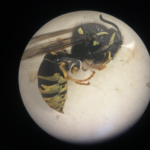 Yellowjacket Wasp
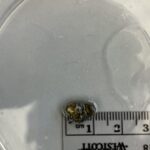 Pillbug
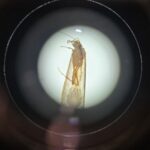 Umpachene Falls Caddisfly
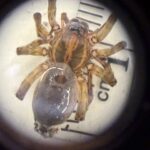 Wolf Spider