Sample information |
|
| Picture |
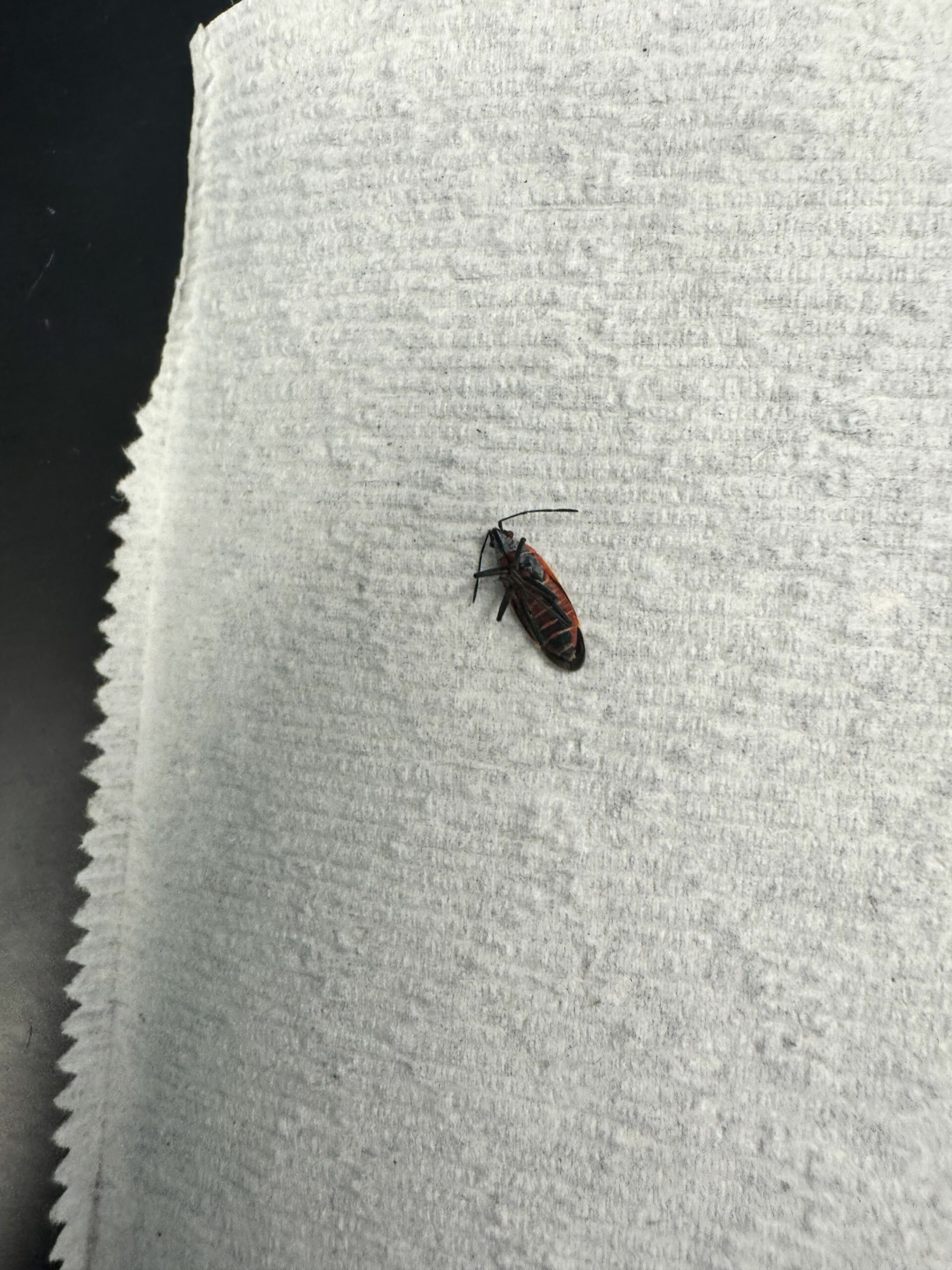
|
|---|---|
| Location | Approximate location: 35.73, -81.69 |
| Collection date | 11/13/2025 |
| Captive / Cultivated? | Wild-caught |
| Group | NCSSM |
| Observations | After my teacher mentioned that her husband had been seeing unfamiliar insects in the window of his office, I checked the area and quickly noticed several boxelder bugs clustered near the frame. The temperature was around 55°F, which likely encouraged them to seek warmth indoors. I collected some of the bugs for closer observation. |
| Putative identification | Arthropoda Insecta Hemiptera Rhopalidae Boisea Boisea rubrolineata |
Methods |
|
| Extraction kit | DNeasy (Qiagen) blood and tissue kit |
| DNA extraction location | Whole arthropod |
| Single or Duplex PCR | Single Reaction |
| Gel electrophoresis system | MiniPCR |
| Buffer | TBE |
| DNA stain | |
| Gel images |
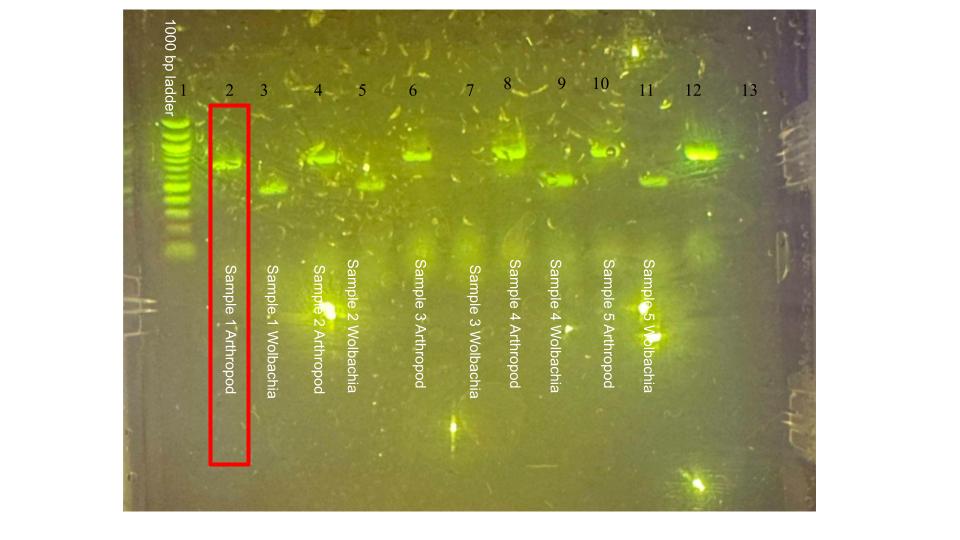
|
| Protocol notes | DNA Extraction: Because our boxelder bugs were smaller than a grain of rice, we did not dissect them. Instead, we used a standard whole-body tissue extraction method by placing a small portion of the bug into the extraction buffer and mechanically breaking down the tissue to release genomic DNA. Gel Electrophoresis: We amplified the extracted DNA using both arthropod and Wolbachia primers. The arthropod primer served as a positive control to confirm that the PCR reaction worked and that our DNA extraction was successful. The Wolbachia-specific primer allowed us to test for the presence of Wolbachia DNA within the boxelder bug samples. After PCR, we ran the products through gel electrophoresis to visualize amplification results and determine whether Wolbachia was present. |
Results |
|
| Wolbachia presence | Yes |
| Confidence level | High |
| Explanation of confidence level | The presence of a clear band from the arthropod primer suggests that our DNA extraction and PCR were successful, which increases our confidence that the procedure worked as intended. However, without a confirmed Wolbachia-positive sample to compare against, we cannot be fully certain that the absence or presence of a Wolbachia band is accurate. |
| Wolbachia 16S sequence | Download AB1
GAAGGGATAGGGTCGGTTCGGCCGGGTTTCACACAGGTGTTGCATGGCTGTCGTCAGCTCGTGTCGTGAG ATGTTGGGTTAAGTCCCGCAACGAGCGCAACCCTCATCCTTAGTTACCATCAGGTAATGCTGGGGACTTT AAGGAAACTGCCAGTGATAAACTGGAGGAAGGTGGGGATGATGTCAAGTCATCATGGCCCTTATGGAGTG GGCTACACACGTGCTACAATGGTGGCTACAATGGGCTGCAAAGTCGCGAGGCTAAGCCAATCCCTTAAAA GCCATCTCAGTTCGGATTGTACTCTGCAACTCGAGTGCATGAAGTTGGAATCGCTAGTAATCGTGGATCA GCACGCCACGGTGAATAC
BLAST at The Wolbachia Project BLAST at NCBI
|
| Arthropod COI sequence | Download AB1
GTAGGATCAAAGAAAGATGTATTAAAGTTTCGGTCAGTTAAAAGTATTGTAATGGCCCCCGCTAAAACAG GTAAAGACAACAATAATAGAAGAGCTGTAATACCTACTGATCATACAAATAATGGTATTCGTTCAGGTCT TATTCCTGCTGGTCGTATATTAATAATAGTTGAAATAAAATTAATAGCCCCTAAAATTGATGATACACCT GCTAAATGTAATGAAAAAATTGCTAAATCTACAGAGGCACCTCTATGGGATAAATTTCTTGATAGAGGGG GATAAACTGTTCATCCAGTTCCCGCTCCTCTTTCAACTATACTACTTGCAAGTAATAAAGTAAGGGAAGG AGGTAAAAGTCAAAATCTTATATTATTTATTCGAGGAAATGCTATATCTGGGGCCCCAATTATTAAAGGC ACTAATCAATTCCCAAATCCACCAATCATAATTGGCATAACTATAAAGAAAATTATAATAAAAGCATGTG CTGTTACAATTACATTATATGTTTGATCATCCCCAATAAATCTACCAGGTTGCCCTAATTCTACACGAAT AATTCATCTTAAAGATGAACCTACTATACCAGATC
BLAST at The Wolbachia Project BLAST at NCBI
|
| Summary | The Boisea rubrolineata was found to be postive for Wolbachia. |
 Millipede
 Brown Widow
 (no title)
 Texas Carpenter Ant
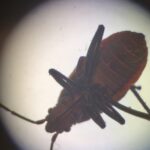 Boxelder Bug (Hemiptera)