Sample information |
|
| Picture |
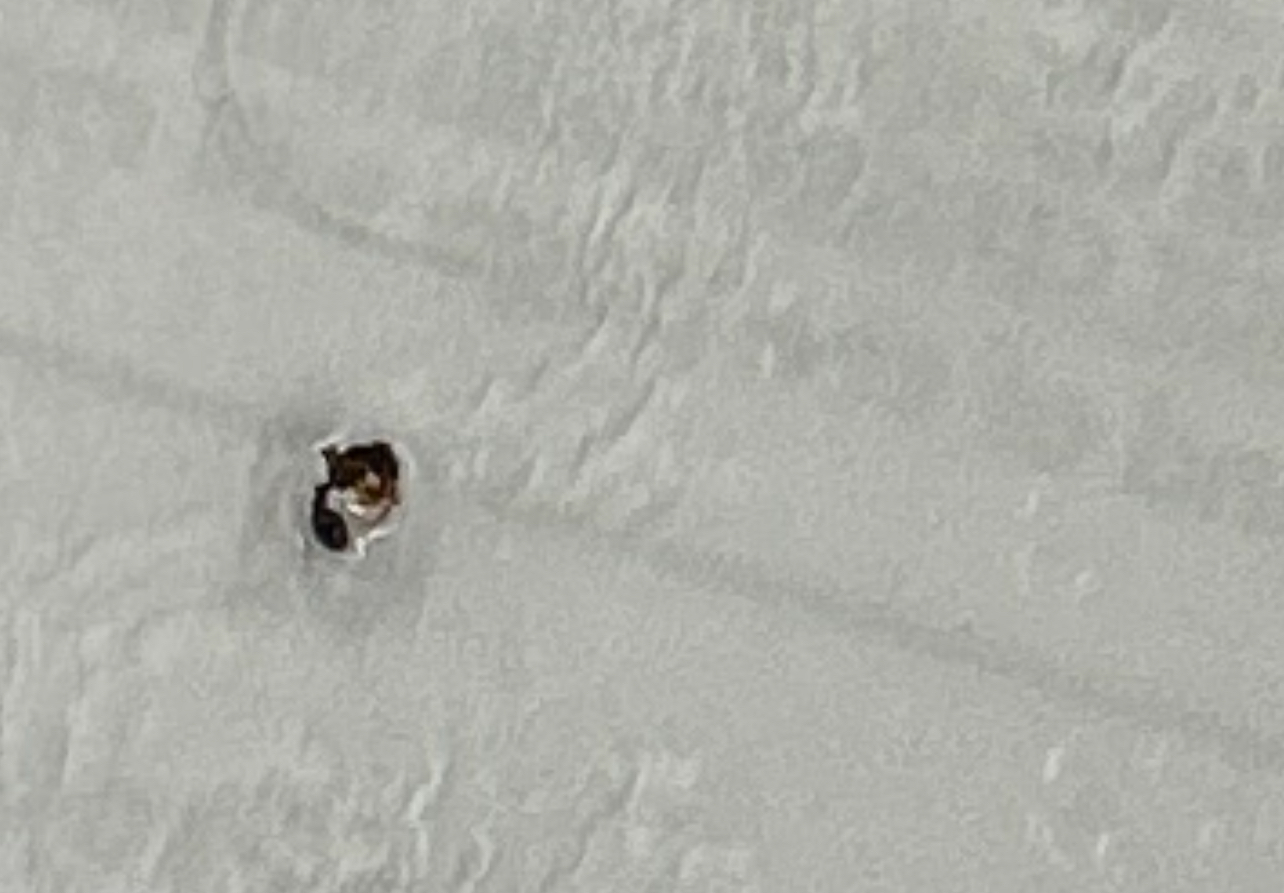
|
|---|---|
| Location | Approximate location: 44.94, -93.16 |
| Collection date | 09/05/2025 |
| Captive / Cultivated? | Wild-caught |
| Group | St. Paul Academy and Summit School |
| Observations | Absolutely tiny black ants living in a colony of thousands in dirt and woodchips next a man made pond near a house. Similar ants have been seen making colonies of similar size in sidewalk just around the block. Tiny black ants with large abdomen connected with small nodes. Thorax is larger compared to the abdomen than one of a little black ant, giving me confidence that this is a pavement ant |
| Putative identification | Arthropoda Insecta Hymenoptera Formicidae Tetramorium Tetramorium immigrans |
Methods |
|
| Extraction kit | DNeasy (Qiagen) blood and tissue kit |
| DNA extraction location | Whole arthropod |
| Single or Duplex PCR | Duplex Reaction |
| Gel electrophoresis system | MiniPCR |
| Buffer | TBE |
| DNA stain | SeeGreen |
| Gel images |
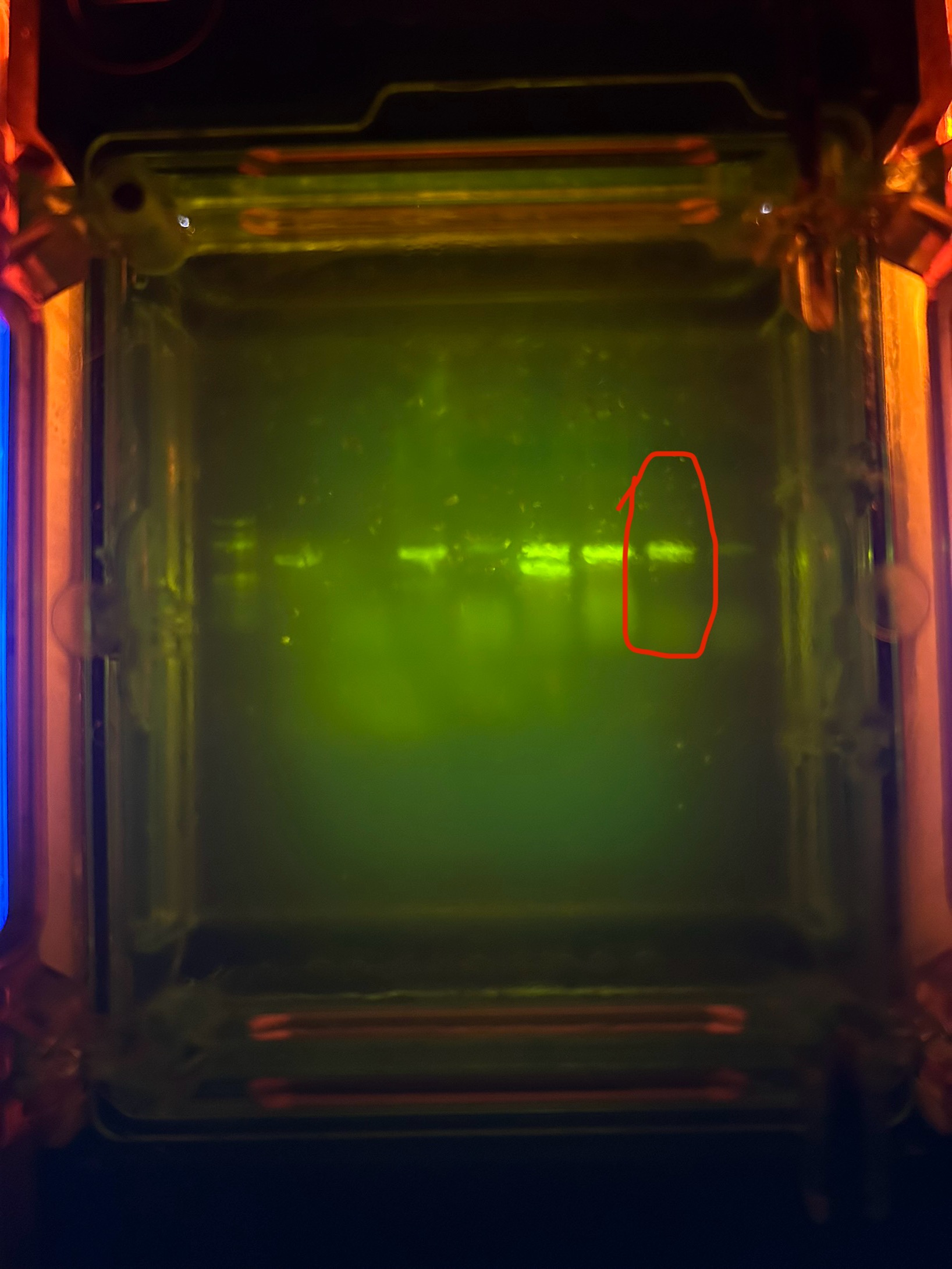
|
| Protocol notes | Followed Wolbachia Project Protocols |
Results |
|
| Wolbachia presence | No |
| Confidence level | High |
| Explanation of confidence level | I am very confident because we did all the steps according to plan, all the controls worked well, and I never had any issues while extracting DNA |
| Wolbachia 16S sequence | |
| Arthropod COI sequence | Download AB1
|
| Summary | The Tetramorium immigrans was found to be negative for Wolbachia. |
 Millipede
 Brown Widow
 (no title)
 Texas Carpenter Ant
 Boxelder Bug (Hemiptera)