Sample information |
|
| Picture |
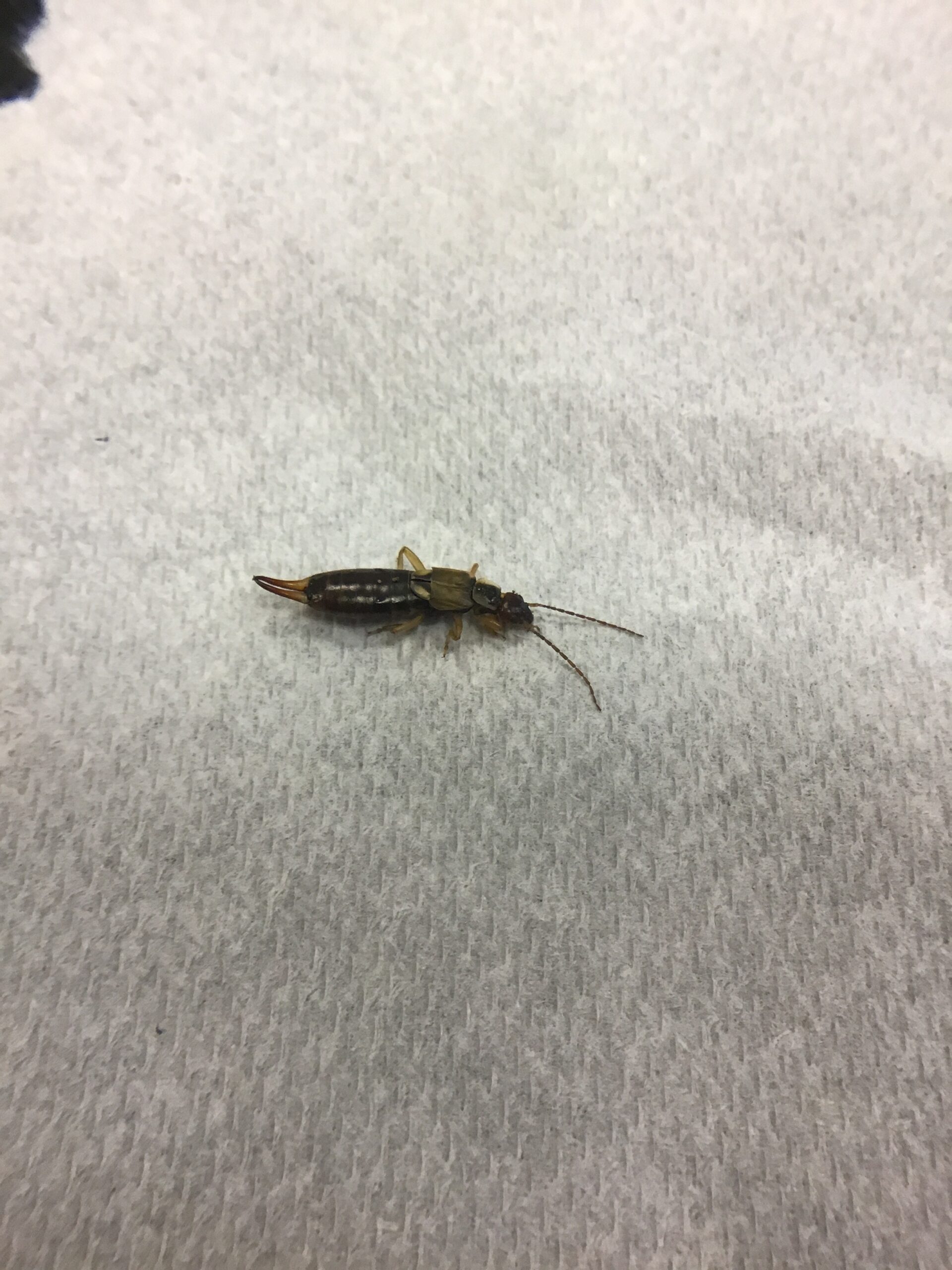
|
|---|---|
| Location | Approximate location: 41.54, -72.08 |
| Collection date | 07/07/2021 |
| Captive / Cultivated? | Wild-caught |
| Group | Norwich Free Academy |
| Observations | It has a brown head, black body, and brown the rest of the way down. It has pinchers at the rear end and six legs. Two antennas and has a shiny casing. It was found in a leaf pile by a river. |
| Putative identification | Arthropoda Insecta Dermaptera |
Methods |
|
| Extraction kit | Edwards Buffer |
| DNA extraction location | Abdomen |
| Single or Duplex PCR | Single Reaction |
| Gel electrophoresis system | Standard electrophoresis system |
| Buffer | TAE |
| DNA stain | Fast Blast |
| Gel images |
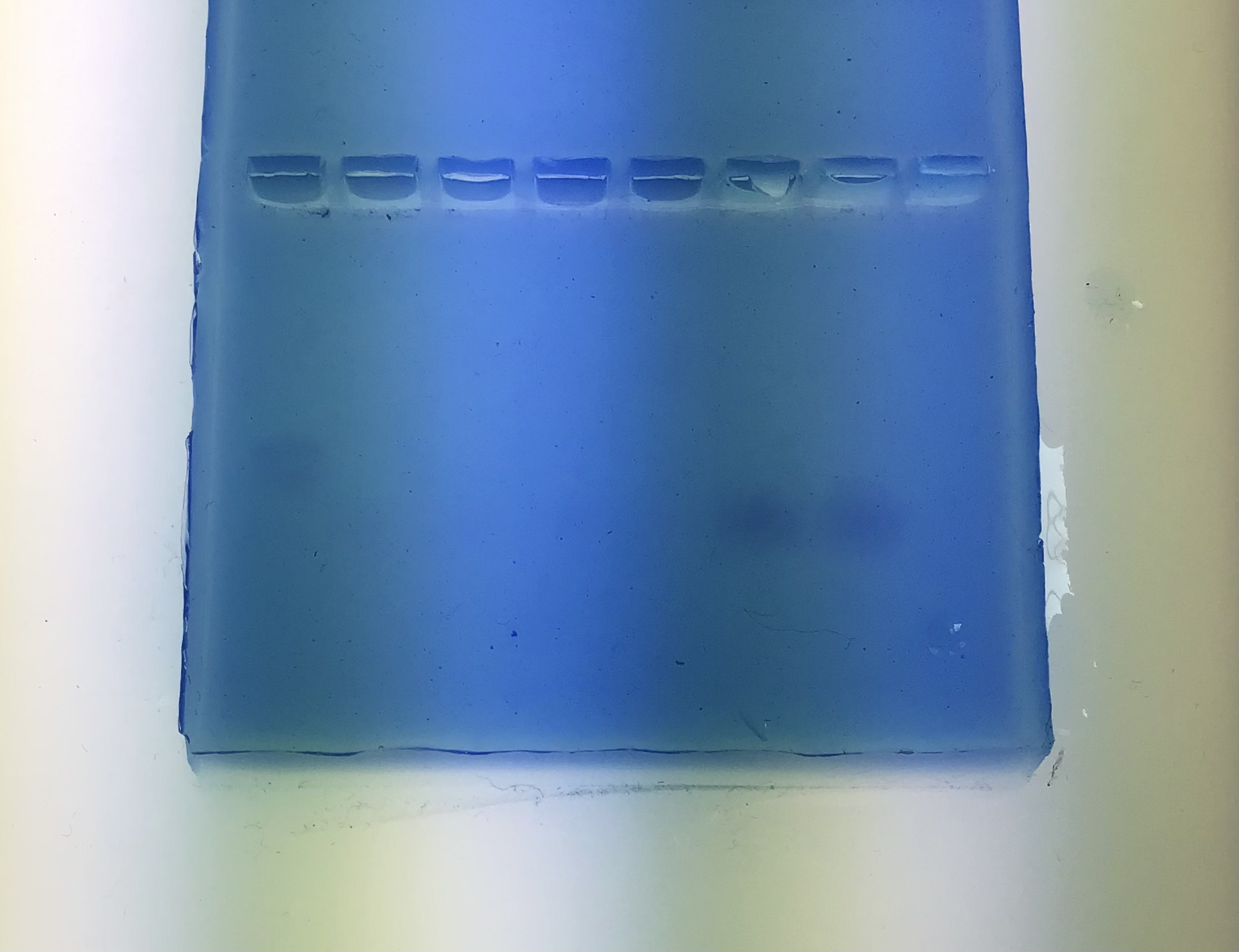
|
| Protocol notes | The ear wig is in well six. I used the abdomen because the rest of the body wasn’t necessary. |
Results |
|
| Wolbachia presence | No |
| Confidence level | Low |
| Explanation of confidence level | My control didn’t show up on the gel. |
| Wolbachia 16S sequence | |
| Arthropod COI sequence |
|
| Summary | The Dermaptera was found to be negative for Wolbachia. |
 (no title)
 Yellowjacket Wasp
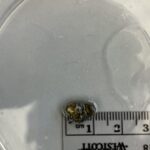 Pillbug
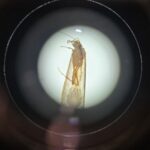 Umpachene Falls Caddisfly
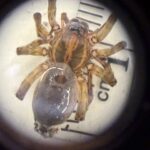 Wolf Spider