Sample information |
|
| Picture |
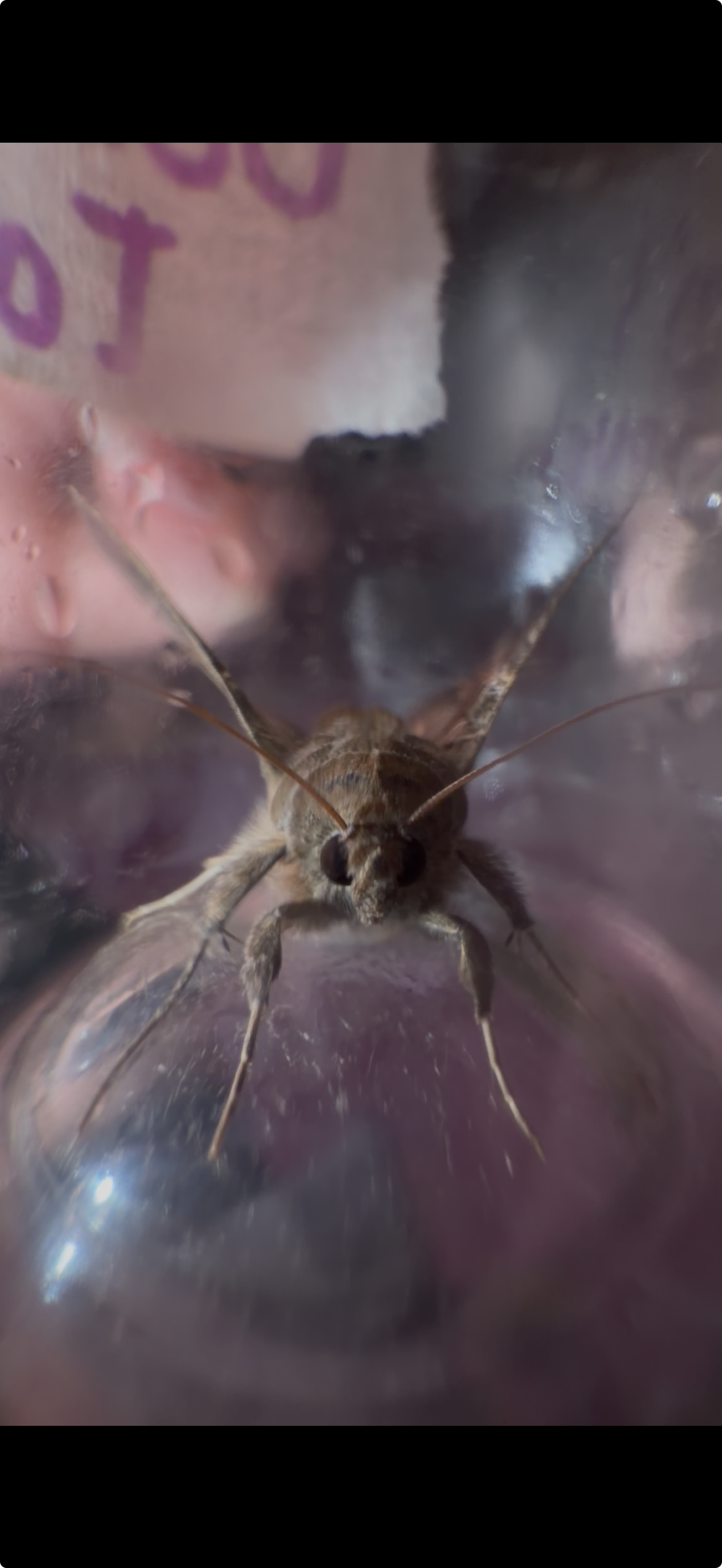
|
|---|---|
| Location | Approximate location: 33.86, -118.17 |
| Collection date | 04/27/2026 |
| Captive / Cultivated? | Wild-caught |
| Group | California Academy of Mathematics and Science |
| Observations | Sighted flying around a persimmon tree and eventually flew into the center of it, landing under a leaf. Once caught, it rapidly started flying around within the container. |
| Putative identification | Arthropoda Insecta Lepidoptera Sphingidae |
Methods |
|
| Extraction kit | Edwards Buffer |
| DNA extraction location | Partial abdomen |
| Single or Duplex PCR | Duplex Reaction |
| Gel electrophoresis system | BioRad |
| Buffer | 1X TAE |
| DNA stain | UView |
| Gel images |
|
| Protocol notes |
|
Results |
|
| Wolbachia presence | No |
| Confidence level | High |
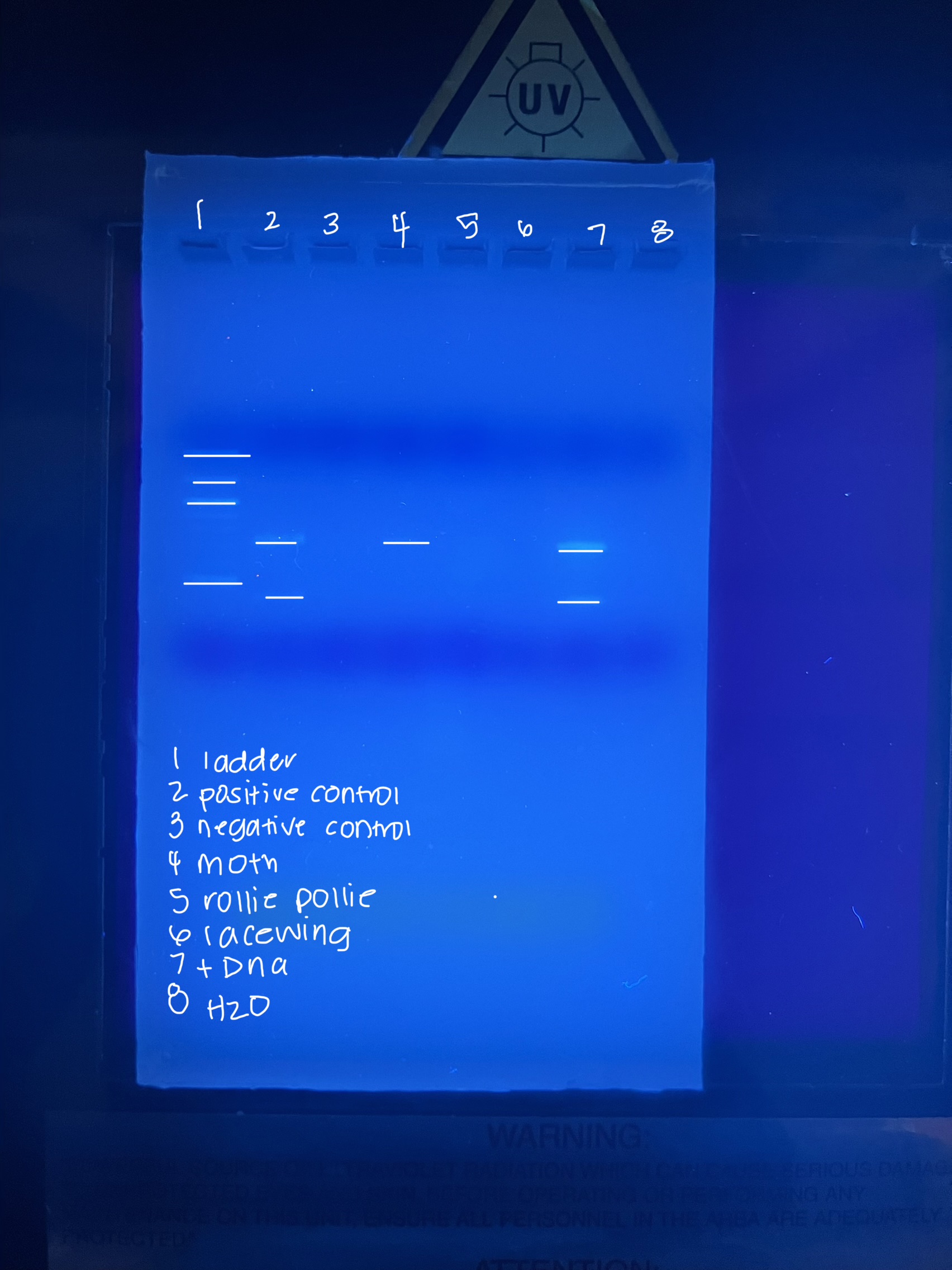
| Explanation of confidence level | After we ran gel electrophoresis and loaded all of the samples we put the gel on a UV light box in order to see the bands. Our ladder produced 5 bands, indicating a successful run as well as our positive control which produced 2 bands. The arthropod gene has an expected band size of 708 bps while the wolbachia gene has 438 bps. As seen on the gel the band closest to the wells is the band with more base pairs, in this case would be indicating the sample is an arthorpod. Because the lane we loaded our moth sample only produced one band that aligned with the band from the positive control, we can be confident that our moth was an arthropod and not wolbachia infected. |
| Wolbachia 16S sequence | Download FASTA
|
| Arthropod COI sequence | Download FASTA
Download AB1
5' GCCCTTANAATAATTATTCGCACTGANTTTTTGGTCACCCTGAAGTTTAAATG 3'
BLAST at The Wolbachia Project BLAST at NCBI
|
| Summary | The Sphingidae was found to be negative for Wolbachia. |
 (no title)
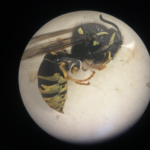 Yellowjacket Wasp
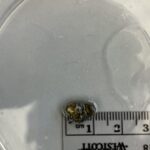 Pillbug
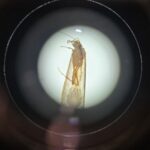 Umpachene Falls Caddisfly
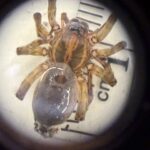 Wolf Spider