Sample information |
|
| Picture |
|
|---|---|
| Location | Approximate location: 33.86, -118.17 |
| Collection date | 04/29/2026 |
| Captive / Cultivated? | Wild-caught |
| Group | California Academy of Mathematics and Science |
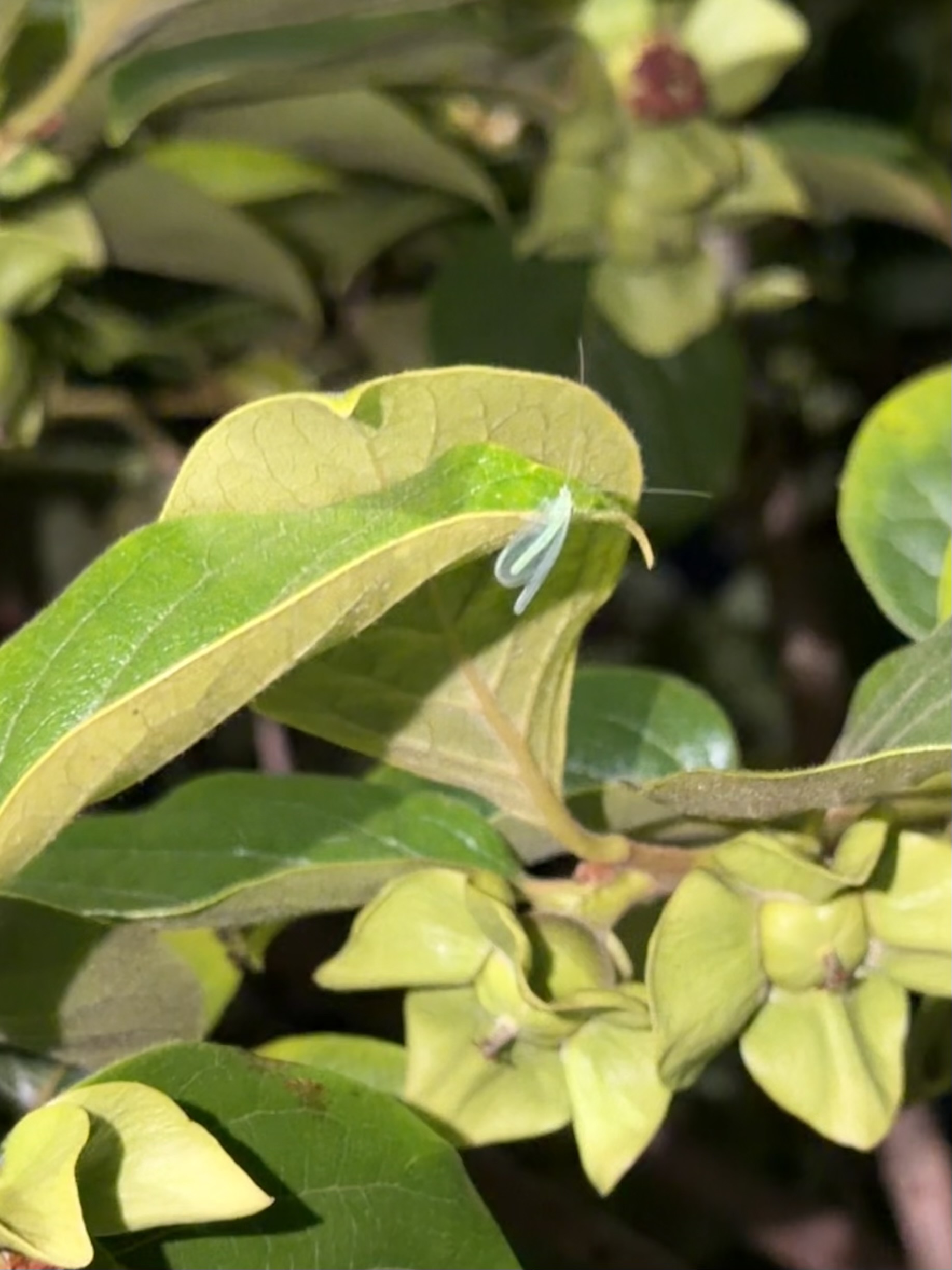
| Observations | Sighted under a leaf of a pomegranate tree, where there was a cocoon, and seemed attracted to the flashlight. |
| Putative identification | Arthropoda Insecta Neuroptera Chrysopidae |
Methods |
|
| Extraction kit | Edwards Buffer |
| DNA extraction location | Whole arthropod |
| Single or Duplex PCR | Duplex Reaction |
| Gel electrophoresis system | agarose gel electrophoresis |
| Buffer | 1X TAE |
| DNA stain | UView |
| Gel images |
|
| Protocol notes |
|
Results |
|
| Wolbachia presence | No |
| Confidence level | Medium |
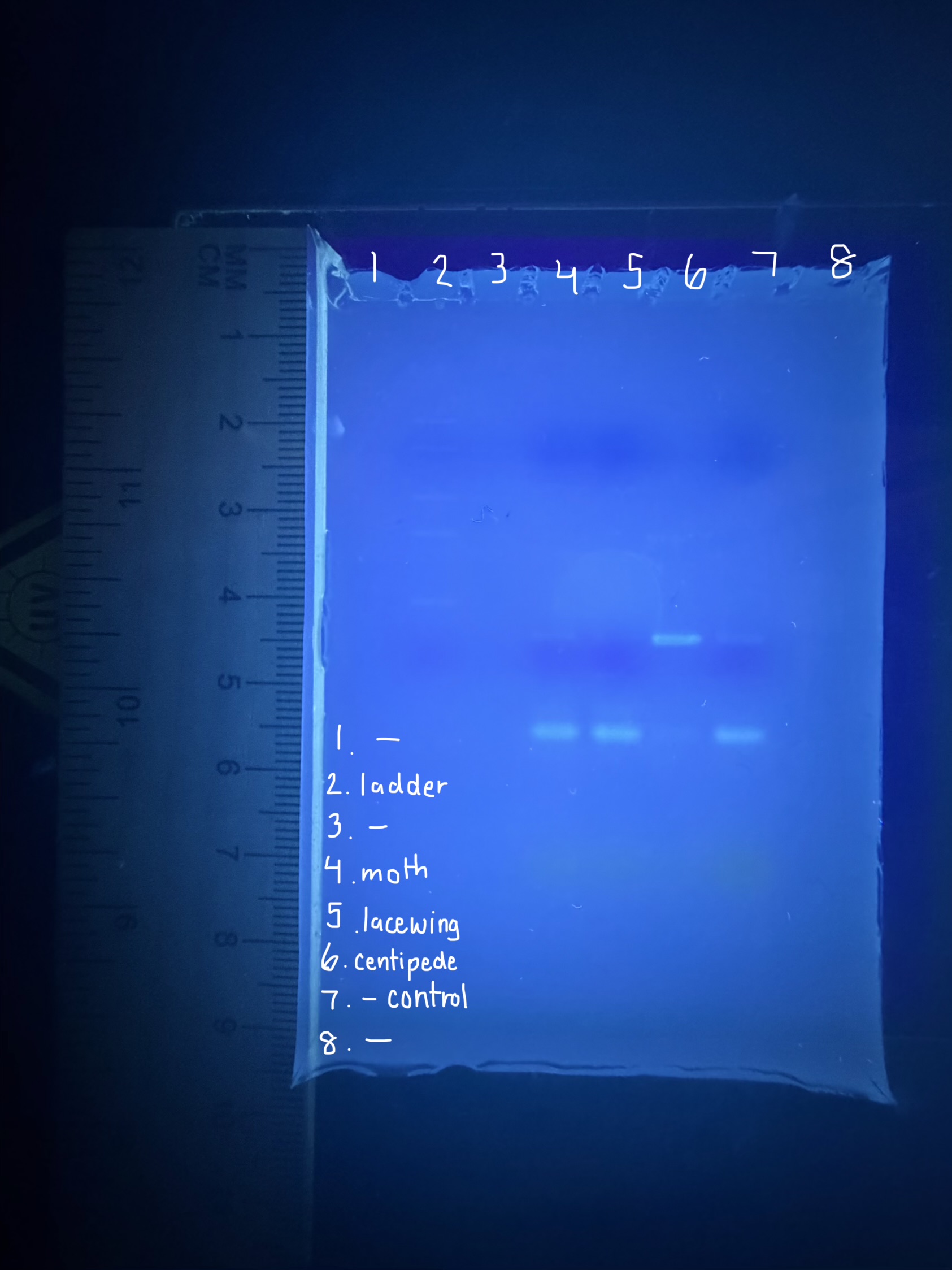
| Explanation of confidence level | Based on the reuslts from gel electrophoresis, once put on a UV lightbox our ladder appeared and there was one band present on the lane in which we loaded the lacewing sample. That one band had the same amount of base pairs an arthropod would have, which was obtained by the ladder. So, due to this we concluded that it was an arthropod and not wolbachia infected. |
| Wolbachia 16S sequence | Download FASTA
|
| Arthropod COI sequence | Download FASTA
Download AB1
5' GCCCTTAGAATAATTATTCGCACTGATTTTTTGGTCACCCTGAAGTTTAA 3'
BLAST at The Wolbachia Project BLAST at NCBI
|
| Summary | The Chrysopidae was found to be negative for Wolbachia. |
 (no title)
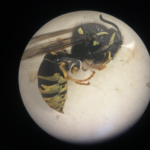 Yellowjacket Wasp
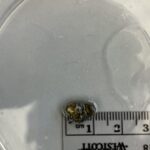 Pillbug
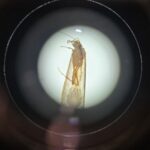 Umpachene Falls Caddisfly
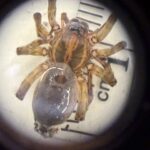 Wolf Spider