Sample information |
|
| Picture |

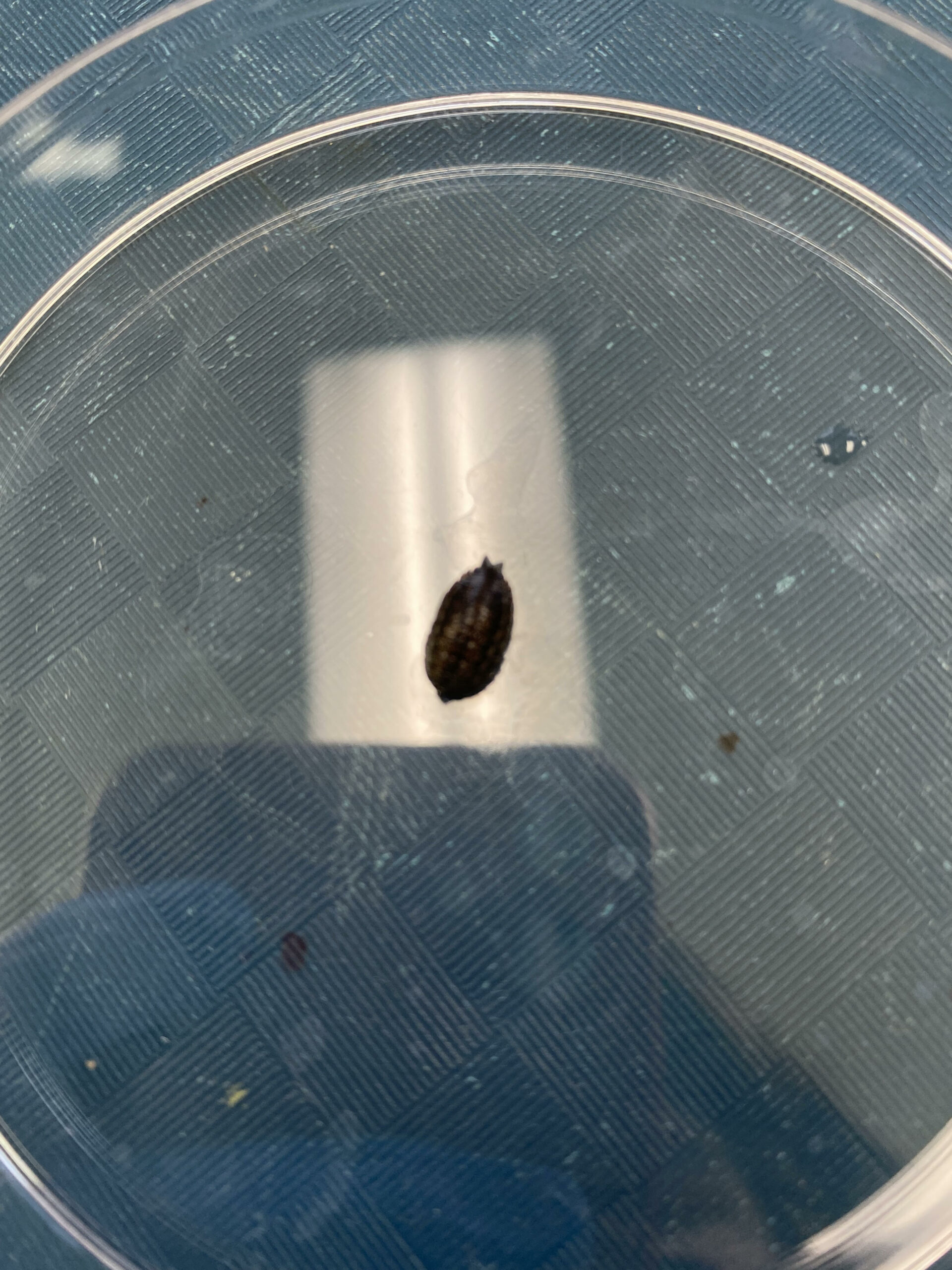
|
|---|---|
| Location | Approximate location: 39.82, -84.90 |
| Collection date | 03/30/2022 |
| Captive / Cultivated? | Wild-caught |
| Group | Richmond High School |
| Observations | Walking under a log in wet soil. Curled into a small circle when poked. |
| Putative identification | Arthropoda Malacostraca Isopoda Armadillidae |
Methods |
|
| Extraction kit | Thermoscientific GeneJet Genomic Purification |
| DNA extraction location | Abdomen |
| Single or Duplex PCR | Duplex Reaction |
| Gel electrophoresis system | Edvotek Gel Electrophoresis |
| Buffer | TAE |
| DNA stain | SYBR Safe |
| Gel images |
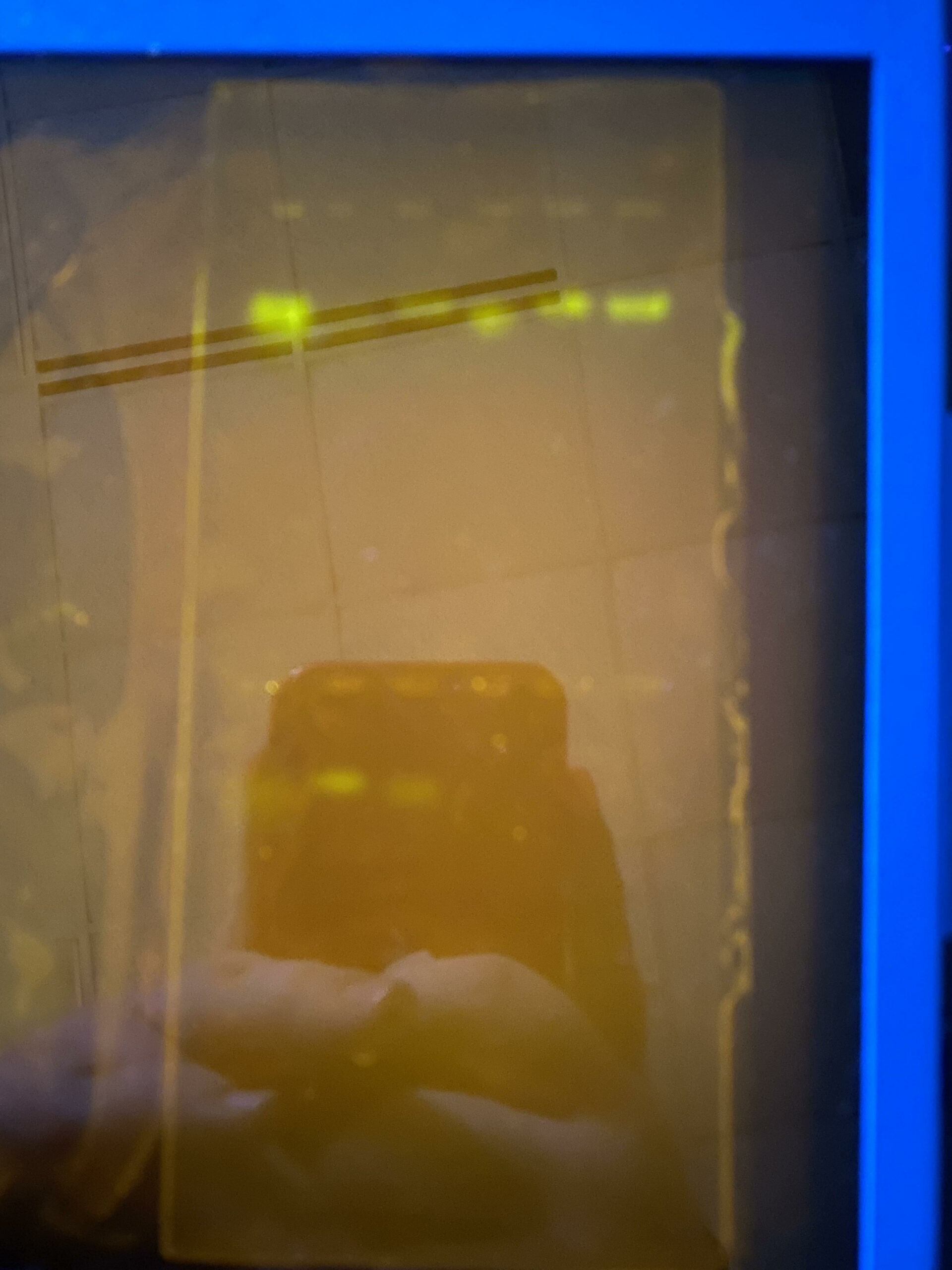
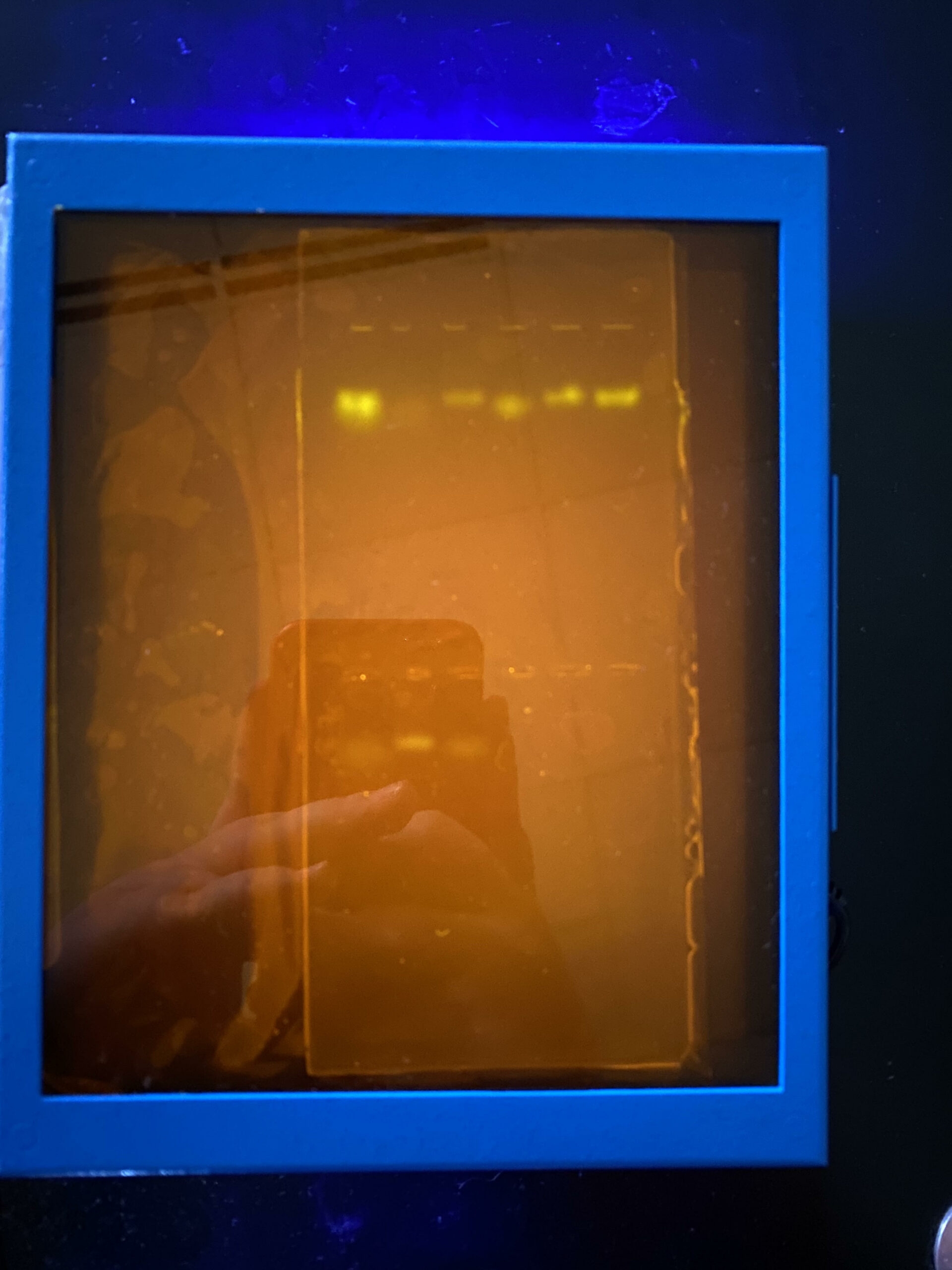
|
| Protocol notes | There was a lot of tubes passing around the table, which made it hard to determine whether or not I had used one, or even if I had only used it once or the recommended amount. |
Results |
|
| Wolbachia presence | No |
| Confidence level | Low |
| Explanation of confidence level | I am not confident that the arthropod did not have Wolbachia even when testing negative for it due to the main test results being inconclusive and unviable in reading. |
| Wolbachia 16S sequence | |
| Arthropod COI sequence |
|
| Summary | The Armadillidae was found to be negative for Wolbachia. |
 Millipede
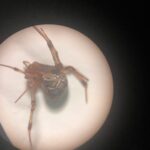 Brown Widow
 (no title)
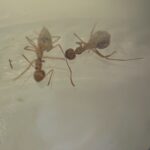 Texas Carpenter Ant
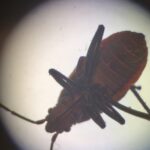 Boxelder Bug (Hemiptera)