Sample information |
|
| Picture |

|
|---|---|
| Location | No map location data available. |
| Collection date | 01/23/2023 |
| Captive / Cultivated? | Wild-caught |
| Group | Georgia Southern University |
| Observations | Taken from an ant hill beside the pond by the Georgia Southern University Armstrong campus. |
| Putative identification | Arthropoda Insecta Hymenoptera |
Methods |
|
| Extraction kit | |
| DNA extraction location | Whole arthropod |
| Single or Duplex PCR | Single Reaction |
| Gel electrophoresis system | Standard electrophoresis system |
| Buffer | TAE |
| DNA stain | Other |
| Gel images |
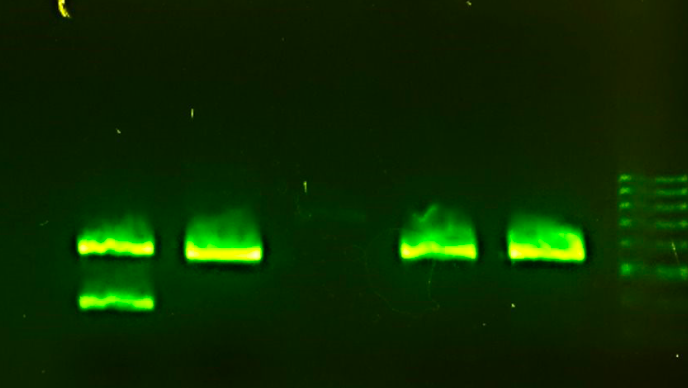
|
| Protocol notes | DNA extraction kit of in-house reagents was used. |
Results |
|
| Wolbachia presence | No |
| Confidence level | High |
| Explanation of confidence level | The results showed correct information for the positive and negative controls. Therefore we can be confident that the negative Wolbachia results are valid. |
| Wolbachia 16S sequence | |
| Arthropod COI sequence |
|
| Summary | The Hymenoptera was found to be negative for Wolbachia. |
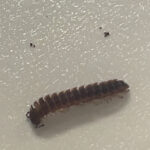 Millipede
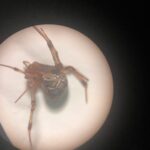 Brown Widow
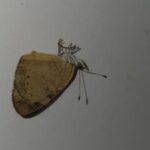 (no title)
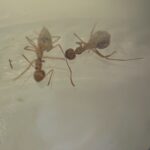 Texas Carpenter Ant
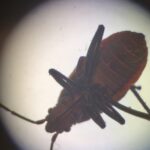 Boxelder Bug (Hemiptera)