Sample information |
|
| Picture |
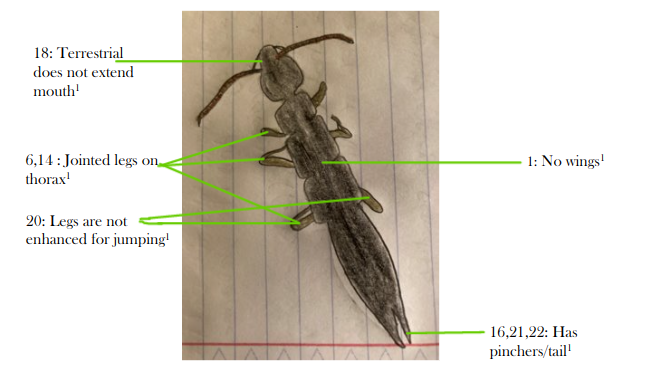
|
|---|---|
| Location | Approximate location: 31.97, -81.16 |
| Collection date | 08/29/2024 |
| Captive / Cultivated? | Wild-caught |
| Group | Georgia Southern University |
| Observations | Time of day: 2:30pm – 3:10pm Weather conditions: 99 degrees – High 90 degrees Low 76 degrees – 68% Humidity 8 mph Wind – 20 Air Index Used a tray and jar to collect the insect. Found in a semi-dry environment; in the woods near a pond. The earwig was collected from a fallen tree branch. |
| Putative identification | Arthropoda Insecta Dermaptera |
Methods |
|
| Extraction kit | |
| DNA extraction location | |
| Single or Duplex PCR | |
| Gel electrophoresis system | Standard electrophoresis system |
| Buffer | TAE |
| DNA stain | Other |
| Gel images |
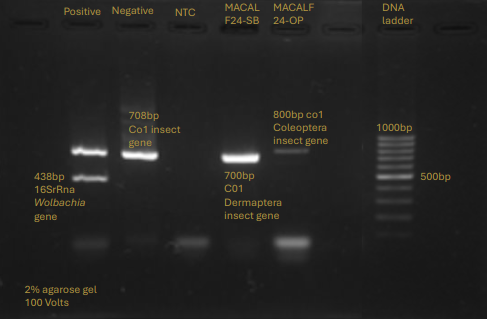
|
| Protocol notes | DNA extraction kit of in-house reagents was used. |
Results |
|
| Wolbachia presence | No |
| Confidence level | High |
| Explanation of confidence level | I am confident that the results are correct due to the correctness of the positive, negative, and no template controls. I am also confident that there was no cross contamination between the two samples as they were both negative and that couldn’t be possible if one had Wolbachia and there was contamination. |
| Wolbachia 16S sequence | |
| Arthropod COI sequence |
|
| Summary | The Dermaptera was found to be negative for Wolbachia. |
 (no title)
 Yellowjacket Wasp
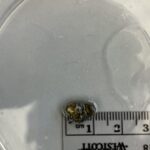 Pillbug
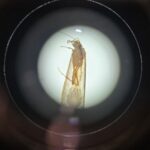 Umpachene Falls Caddisfly
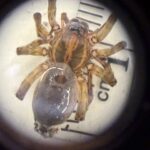 Wolf Spider