Sample information |
|
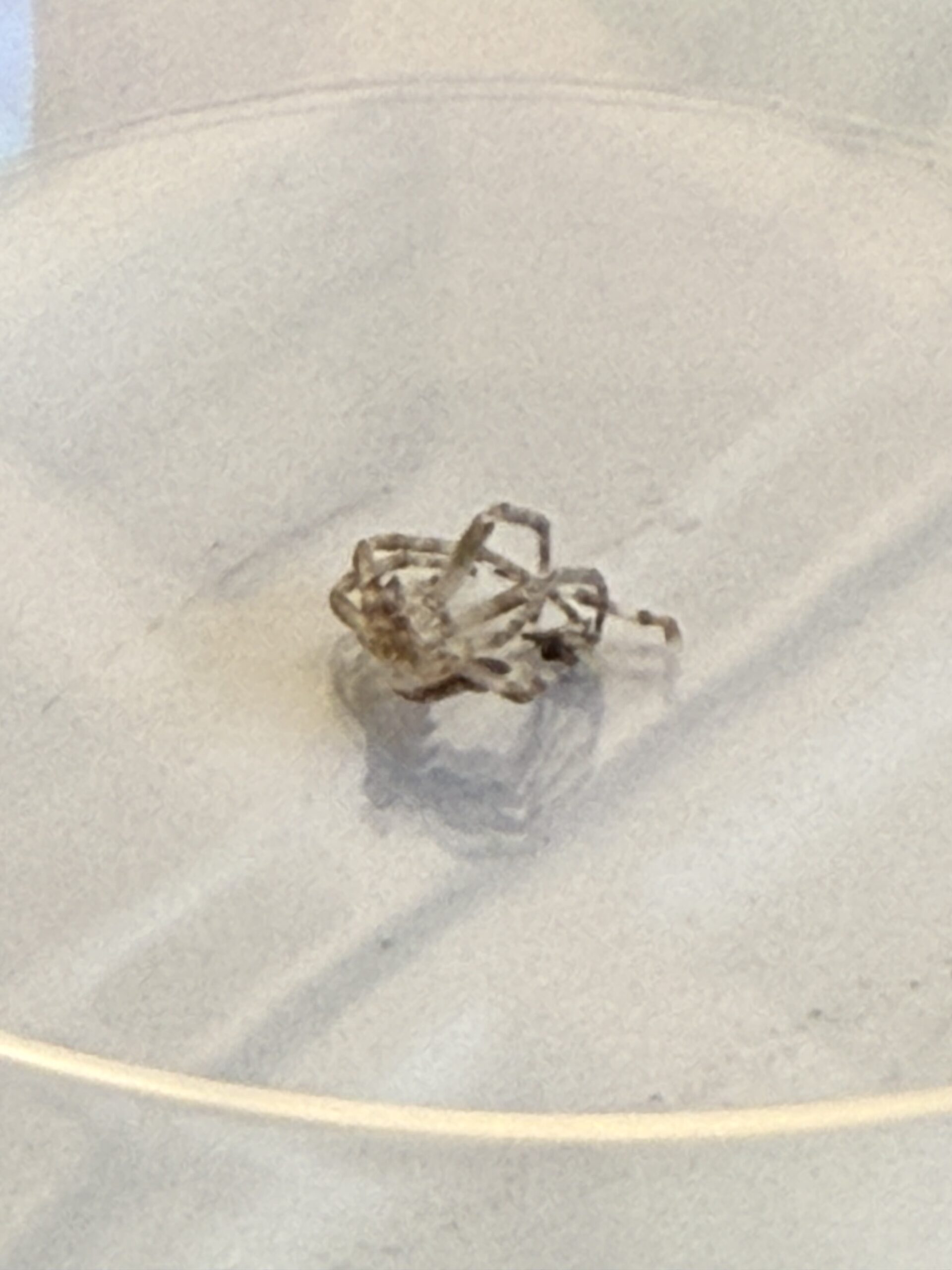
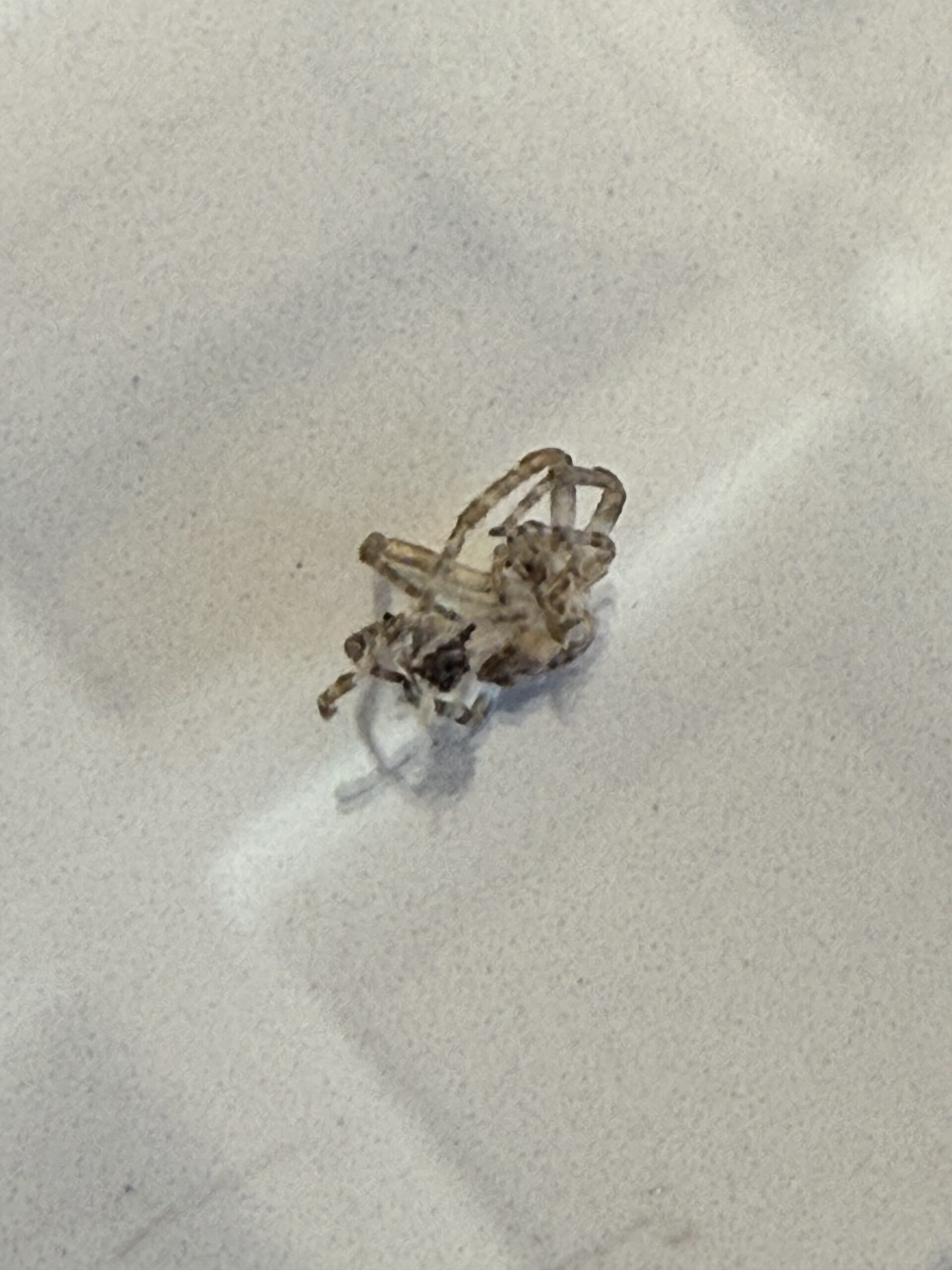
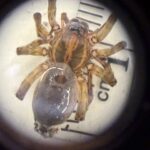
| Picture |
|
|---|---|
| Location | Approximate location: 42.69, -73.11 |
| Collection date | 02/05/2025 |
| Captive / Cultivated? | Wild-caught |
| Group | Berkshire Community College |
| Observations | Multi-colored, black white brown, and also it is a little bit hairy. |
| Putative identification | Arthropoda Arachnida Araneae Araneidae |
Methods |
|
| Extraction kit | Monarch DNA extraction (NEB) |
| DNA extraction location | Abdomen |
| Single or Duplex PCR | Duplex Reaction |
| Gel electrophoresis system | Standard electrophoresis system |
| Buffer | TAE |
| DNA stain | SYBR Safe |
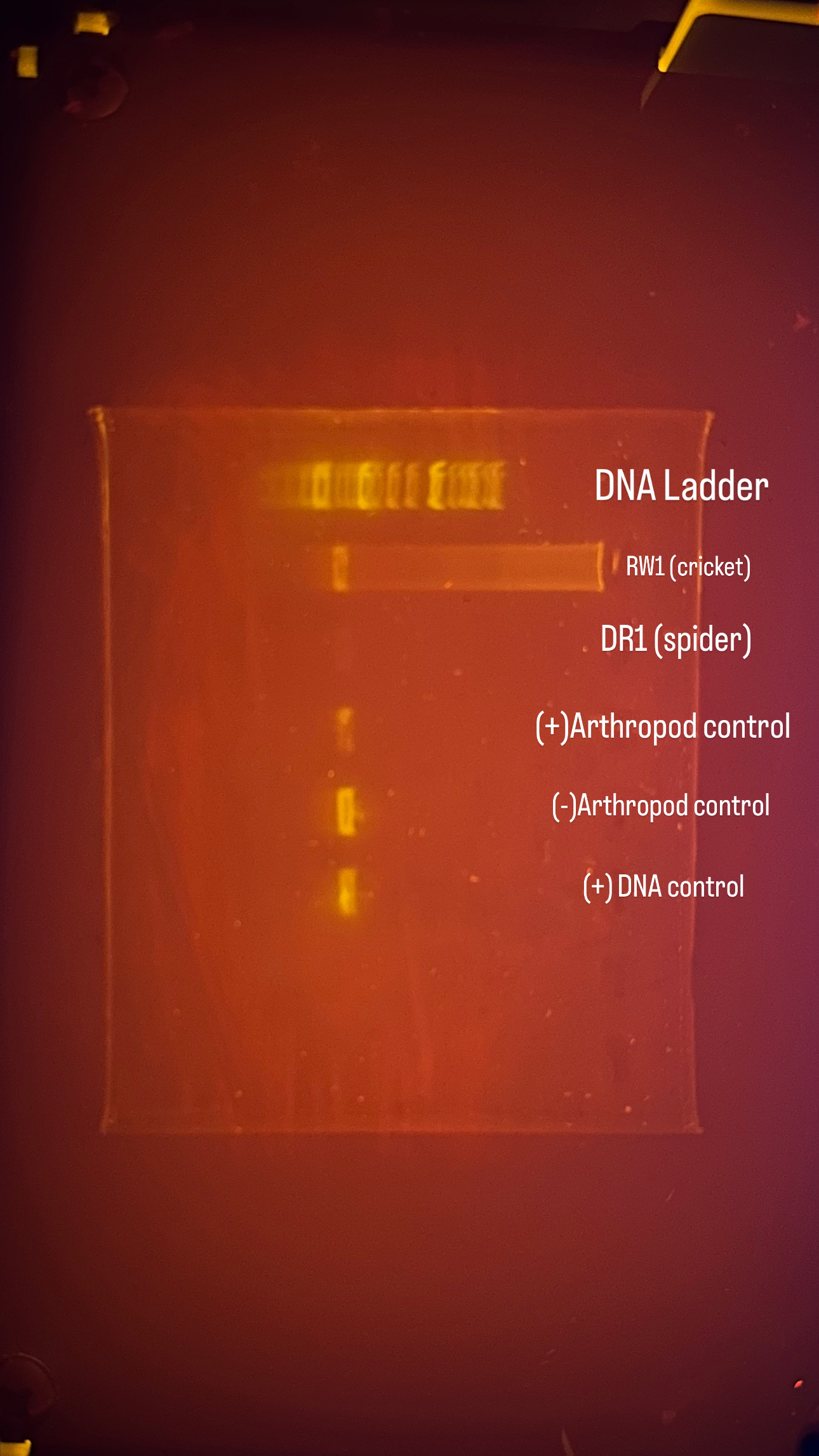
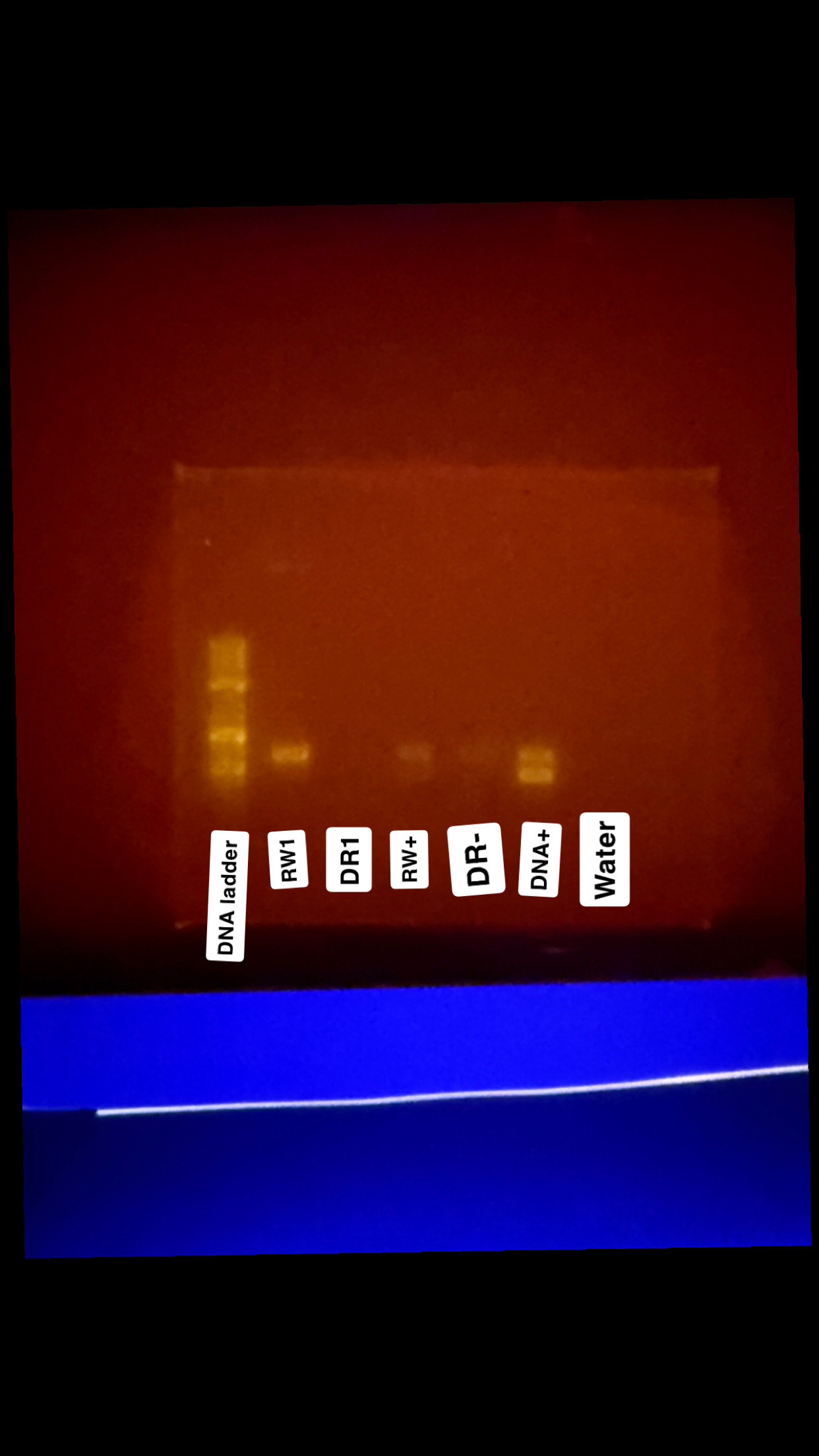
| Gel images |
|
| Protocol notes | We used the NEB extraction kit to safely extract the DNA from our samples and our controls, and that we incubated for 1 hour instead of the recommending 2-3 hours. Used the Taq Polymerse used, and annealing temperatures for each PCR reaction. Taq polymerase used was the NEB one Taq Hot Start Quick load 2x MM u/stand buffer, annealing temperature is 49 C for both of the PCR’s, since they were done on a duplex. |
Results |
|
| Wolbachia presence | Unknown |
| Confidence level | Medium |
| Explanation of confidence level | Our controls were fine, but in DR1, I was not able to get enough DNA, so therefore we do not completely know if there is Wolbachia in the arthropod. |
| Wolbachia 16S sequence | |
| Arthropod COI sequence |
|
| Summary | |
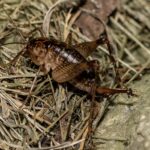 (no title)
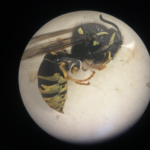 Yellowjacket Wasp
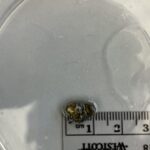 Pillbug
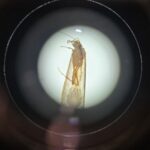 Umpachene Falls Caddisfly
 Wolf Spider