Sample information |
|
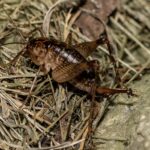
| Picture |
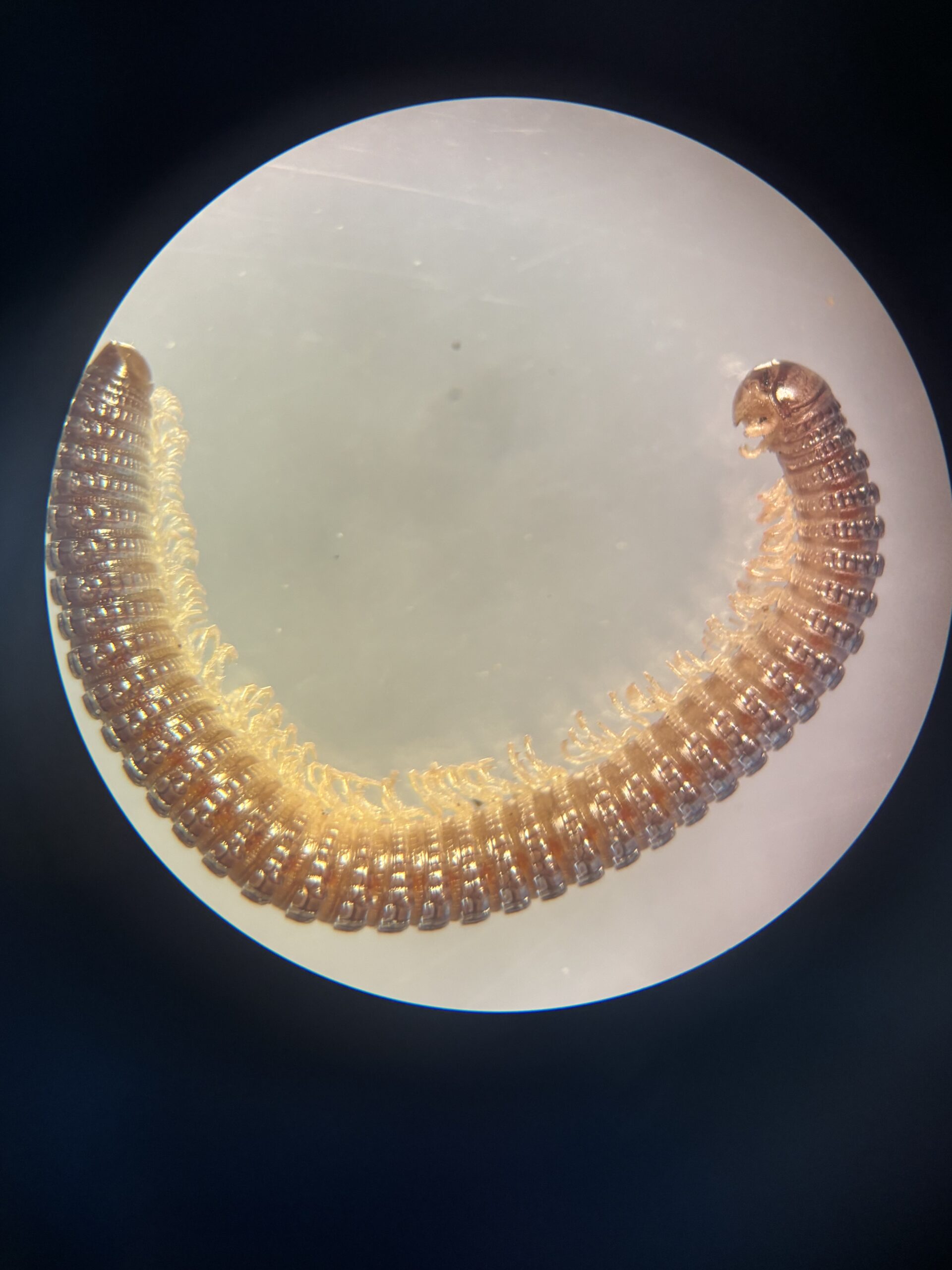
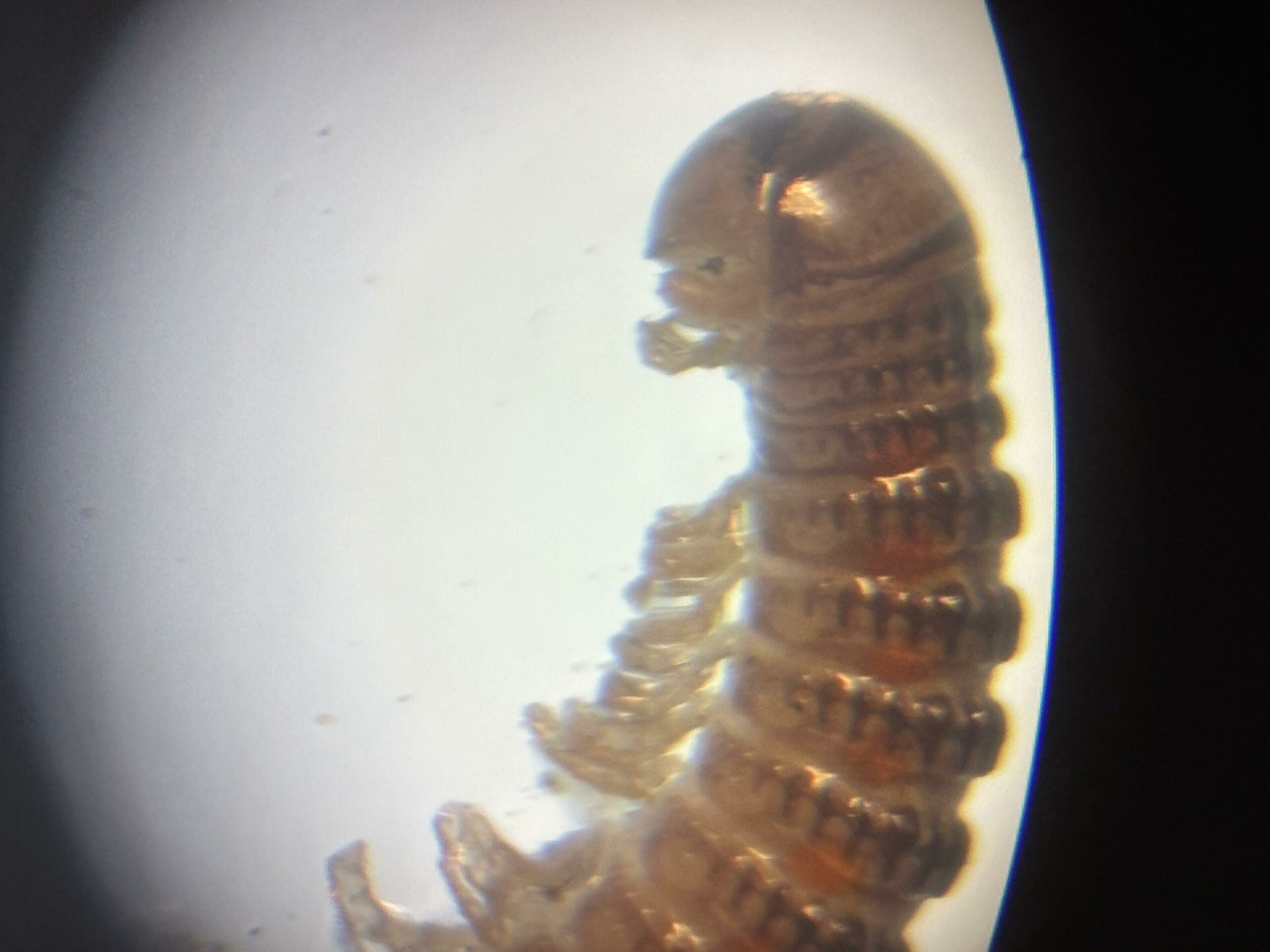
|
|---|---|
| Location | Approximate location: 33.97, -84.44 |
| Collection date | 11/07/2025 |
| Captive / Cultivated? | Wild-caught |
| Group | Walton High School |
| Observations | The specimen exhibited minimal movement, curves into a ball when threatened, and was found with half of the abdomen in the soil with the other half above ground. |
| Putative identification | Arthropoda Diplopoda |
Methods |
|
| Extraction kit | DNeasy (Qiagen) blood and tissue kit |
| DNA extraction location | Abdomen |
| Single or Duplex PCR | Single Reaction |
| Gel electrophoresis system | MiniPCR |
| Buffer | TBE |
| DNA stain | GelGreen |
| Gel images |
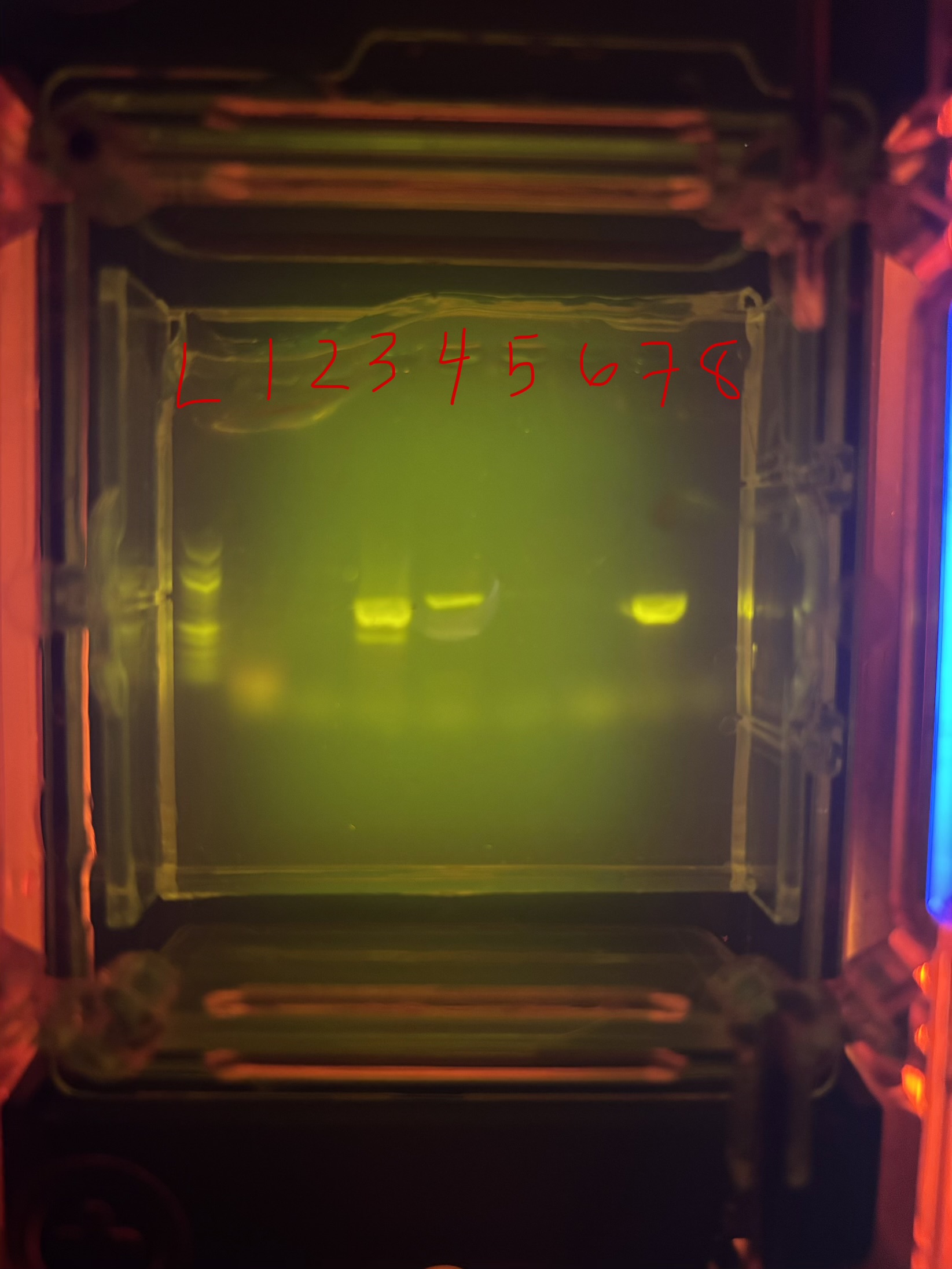
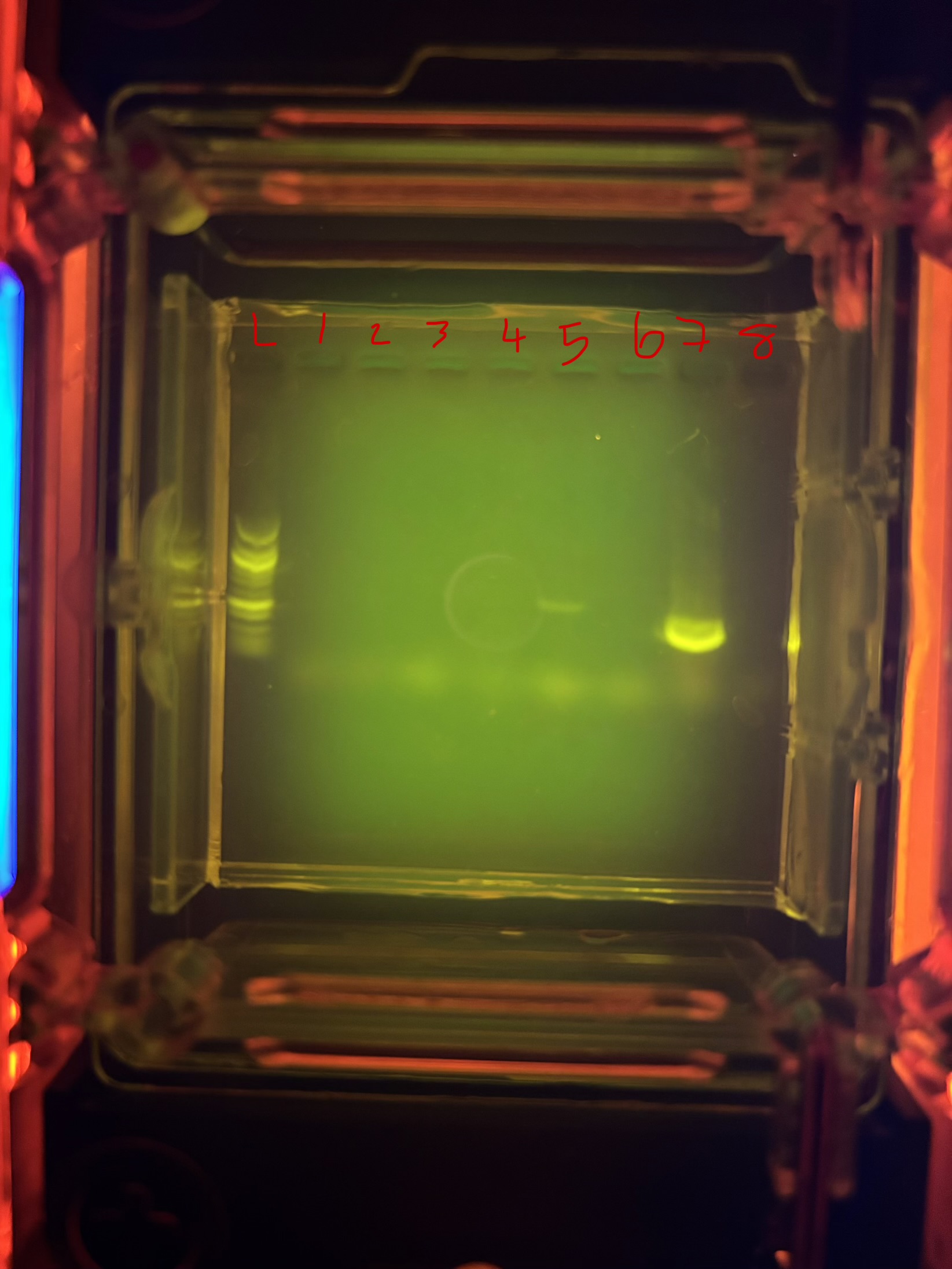
|
| Protocol notes | EFSA1 Narceus americanus had DNA band highly visible around 708 base pairs in gel electrophoresis (which is known size of CO1 barcoding gene). When run through gel electrophoresis, for Wolbachia, EFSA1 presented no DNA bands (negative) around 438 base pairs (which is the known size of the 16s rRNA). |
Results |
|
| Wolbachia presence | No |
| Confidence level | High |
| Explanation of confidence level | Was not sent for Wolbachia sequencing. |
| Wolbachia 16S sequence | |
| Arthropod COI sequence | Download AB1
|
| Summary | The Diplopoda was found to be negative for Wolbachia. |
 (no title)
 Yellowjacket Wasp
 Pillbug
 Umpachene Falls Caddisfly
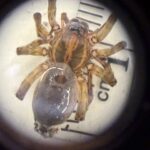 Wolf Spider