Sample information |
|
| Picture |
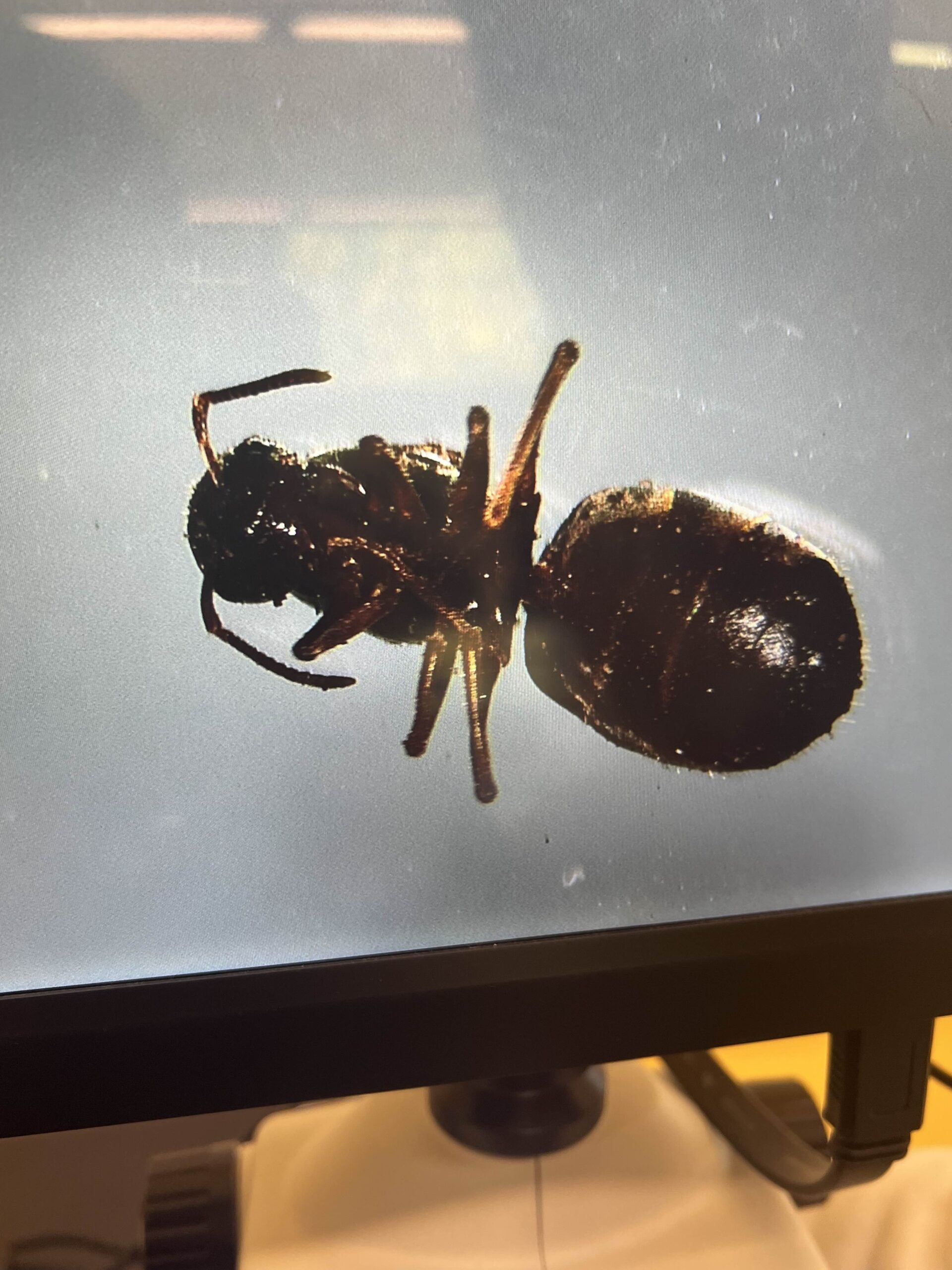
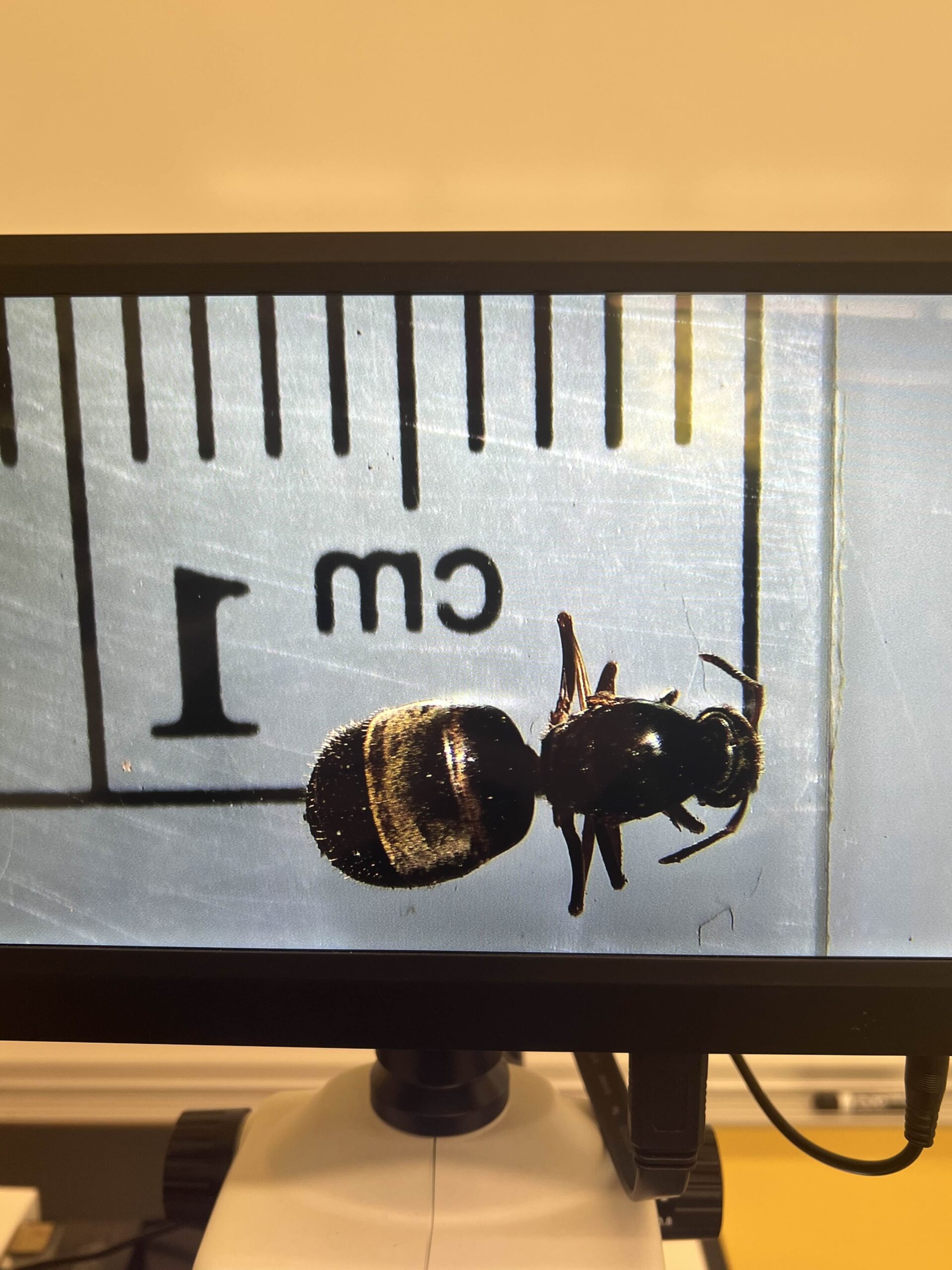
|
|---|---|
| Location | Approximate location: 42.46, -73.32 |
| Collection date | 09/30/2025 |
| Captive / Cultivated? | Wild-caught |
| Group | Berkshire Community College |
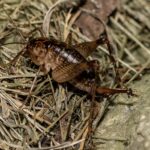
| Observations | The arthropod was caught while Being dragged behind by another ant on a trail, the trail was dry and void of any moisture. |
| Putative identification | Arthropoda Insecta Hymenoptera Formicidae Camponotus |
Methods |
|
| Extraction kit | Monarch DNA extraction (NEB) |
| DNA extraction location | Abdomen |
| Single or Duplex PCR | Single Reaction |
| Gel electrophoresis system | Edvotek Gel Electrophoresis |
| Buffer | 1X TAE |
| DNA stain | SYBR Safe |
| Gel images |
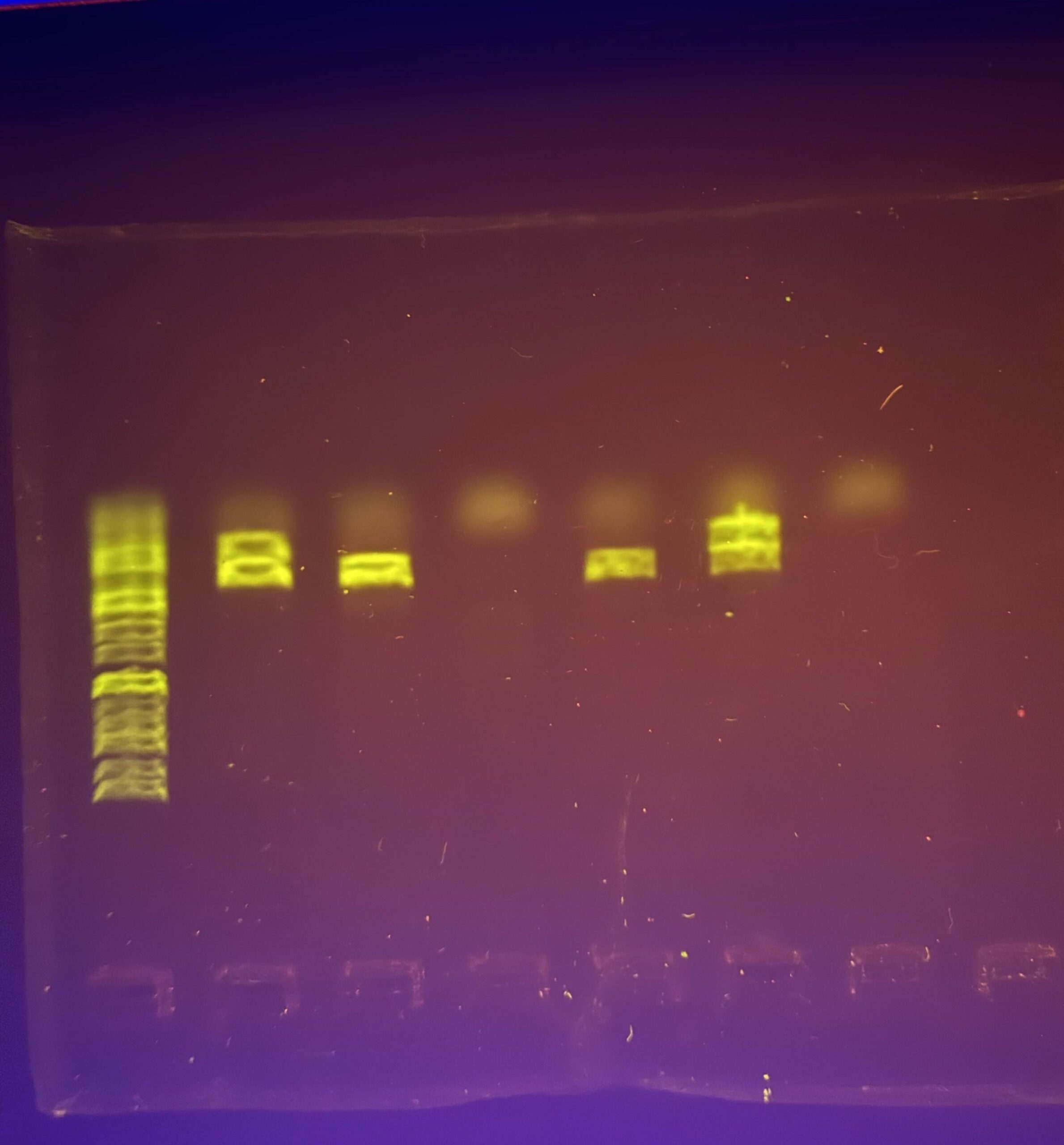
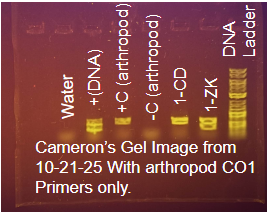
|
| Protocol notes | We used a DNA extraction protocol based on the insect adaptation of New England Biolabs’ Monarch Spin gDNA Extraction kit (Product # T3010). The specimen was incubated for 30 minutes in a hot water bath at 56 degrees C, today’s PCR was a duplex reaction because we used both the Arthropod CO1 and Wolbachia 16S primers. I used an annealing temperature of 49 degrees Celsius. used Taq polymerase: New England Biolabs OneTaq Hot Start Quick-Load 2X Master Mix with Standard Buffer (#M0488S)
Gel electrophoresis system: Edvotek Gel Electrophoresis My first gel Image was taken on 10-21-25 and was run at 125 Volts for 30 minutes Using New England Biolabs 1 kb Plus DNA Ladder for Safe Stains (product # N0559S). This round told me that my arthropod tested false for Wolbachia Our second PCR reaction was set up on 10-28-25, used the same Taq polymerase as the first PCR reaction, and: was a Single. while using an annealing temperature of 55 degrees Celsius. Second Round: Gel electrophoresis system: Edvotek Gel Electrophoresis Buffer: 1X TAE DNA Stain: SYBR Safe Protocol notes: ADD the following statements:
Results: I am Highly positive that my arthropod is not Wolbachia infested, the reason for this is because after running the single Twice to check for any errors It came out with the same results witch leads me to Say in confidence that my arthropod test negatively. This week we did DNA sequencing. For our arthropods only had the ZK-1 Come out due to the CD-1 arthropod being too distorted and messy. |
Results |
|
| Wolbachia presence | No |
| Confidence level | Medium |
| Explanation of confidence level | After running the test the first instance showed that my arthropod was negative for Wolbachia, and after further testing the second round lead the same result. Giving me the ability to say in high confidence that my arthropod was indeed Wolbachia free. With also the Controls working. and we minimized any contamination from happening. |
| Wolbachia 16S sequence | |
| Arthropod COI sequence |
|
| Summary | The Camponotus was found to be negative for Wolbachia. |
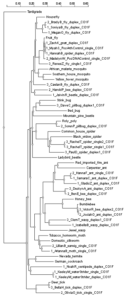 CO1: Sequence
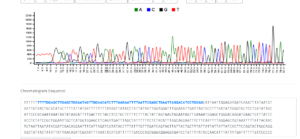 S16: Sequence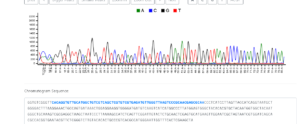
 (no title)
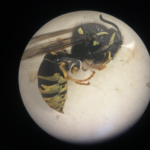 Yellowjacket Wasp
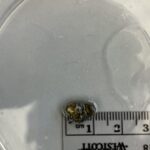 Pillbug
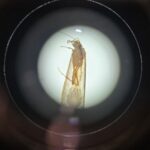 Umpachene Falls Caddisfly
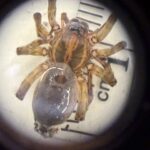 Wolf Spider