Sample information |
|
| Picture |
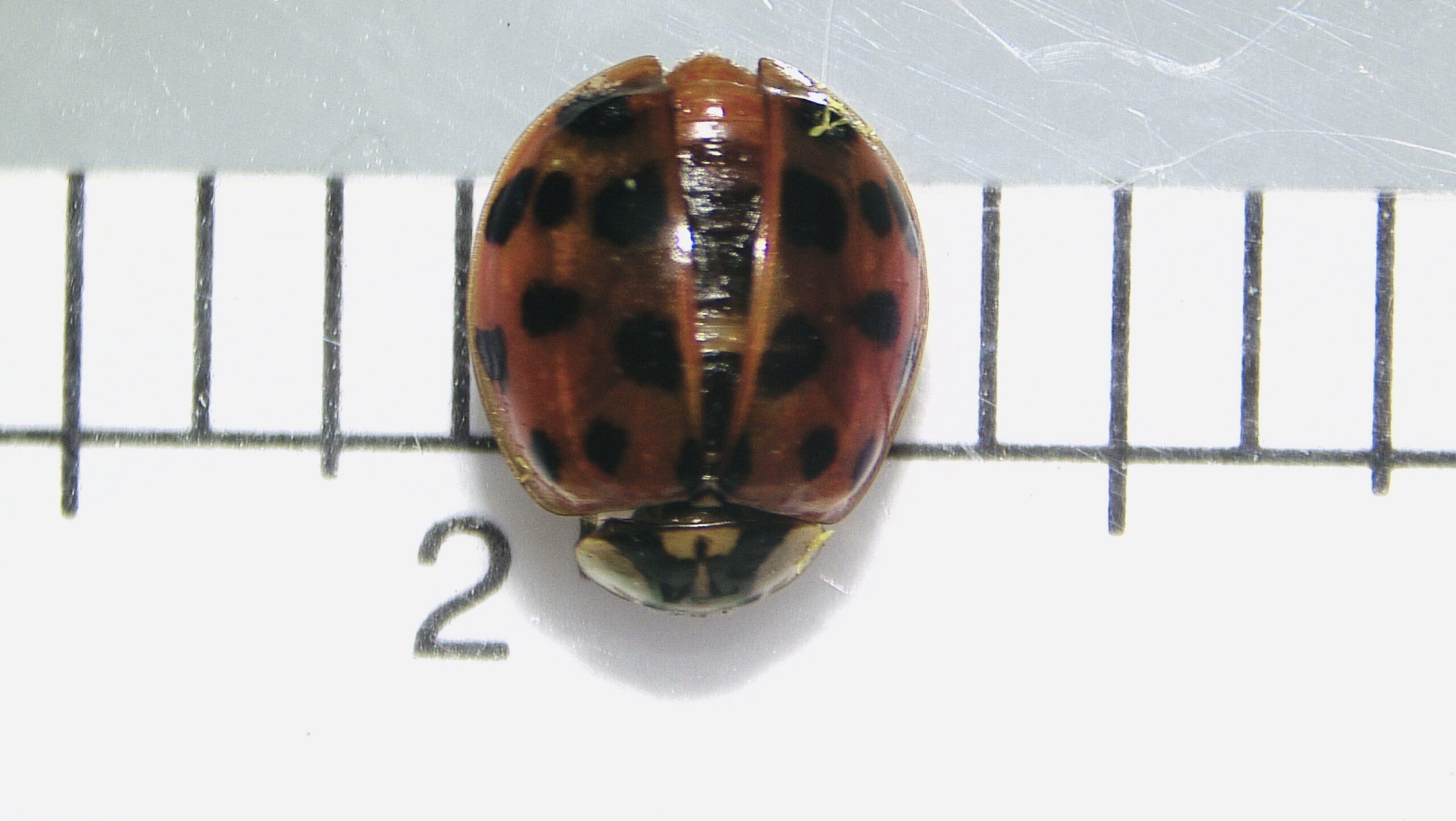
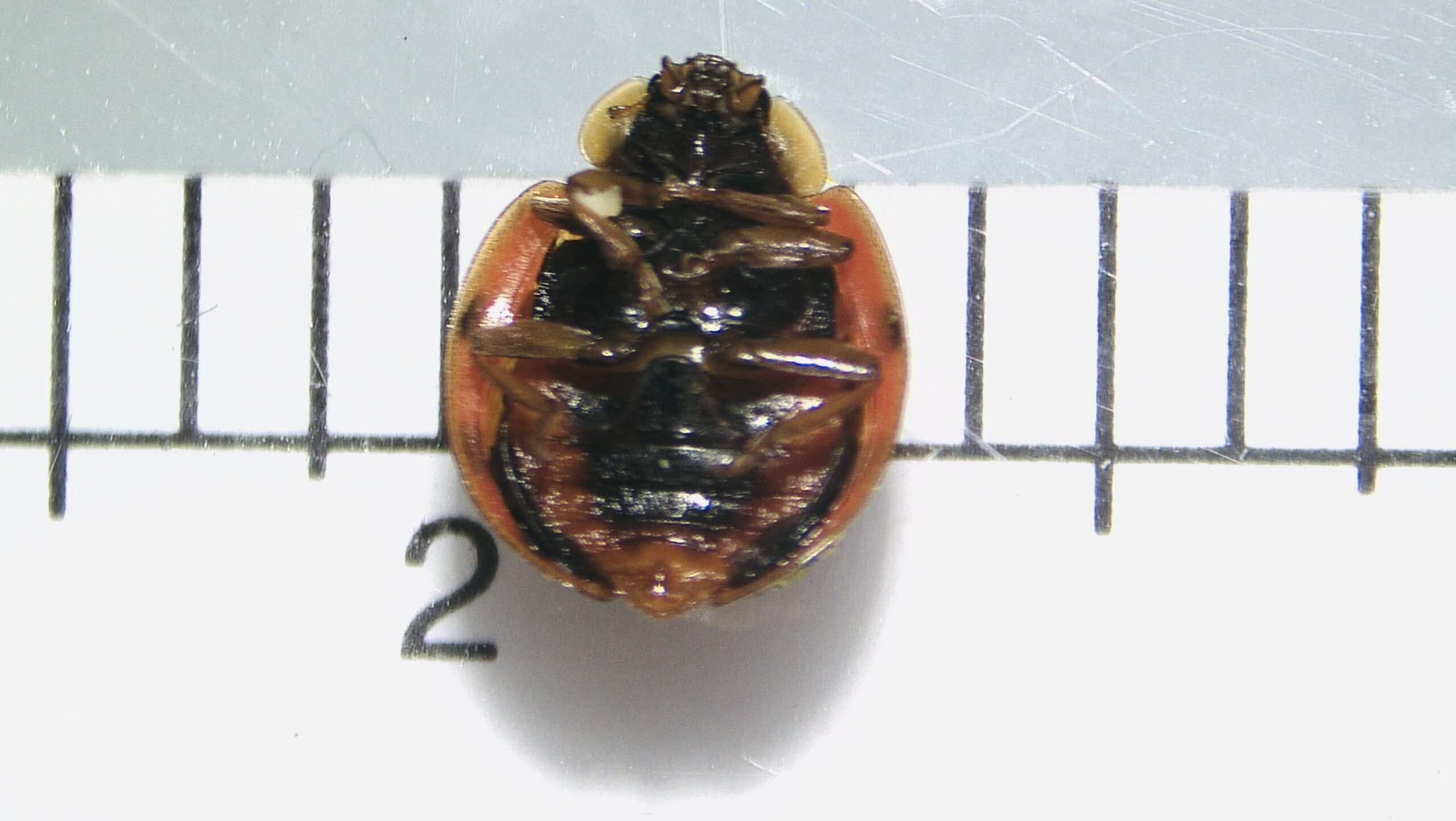
|
|---|---|
| Location | Approximate location: 42.46, -73.19 |
| Collection date | 02/22/2026 |
| Captive / Cultivated? | Wild-caught |
| Group | Berkshire Community College |
| Observations | The specimen was found indoors above a lamp on Sunday, February 22, 2026, at 8:40 PM. The beetle was moving at the time of collection, and flying when trapped in jar. Outdoor temperature was approximately 30°F, consistent with winter conditions that often cause Asian lady beetles to move indoors for overwintering shelter. |
| Putative identification | Arthropoda Insecta Coleoptera Coccinellidae Harmonia Harmonia axyridis |
Methods |
|
| Extraction kit | Monarch DNA extraction (NEB) |
| DNA extraction location | Abdomen |
| Single or Duplex PCR | Duplex Reaction |
| Gel electrophoresis system | Edvotek Gel Electrophoresis |
| Buffer | 1X TAE |
| DNA stain | SYBR Safe |
| Gel images |
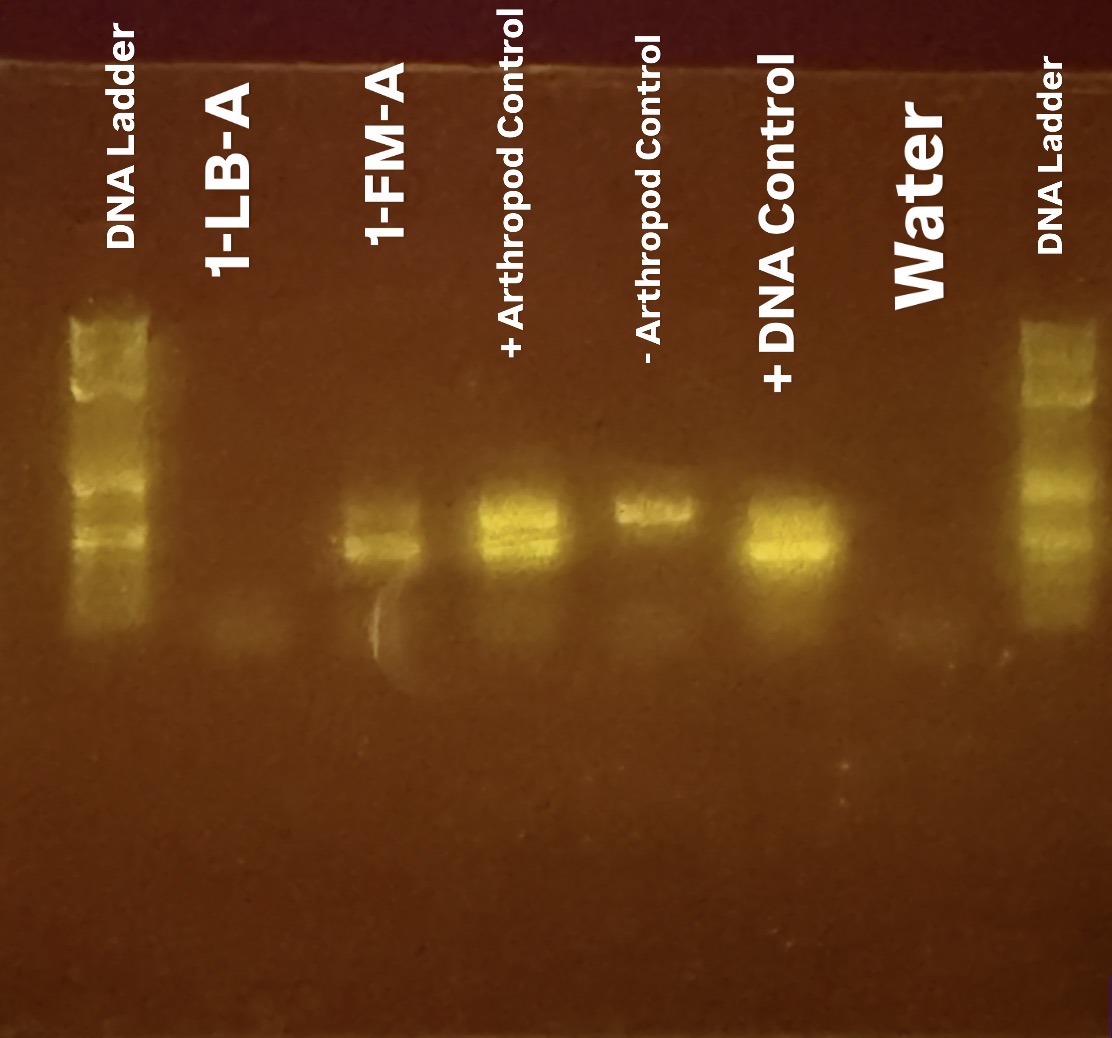
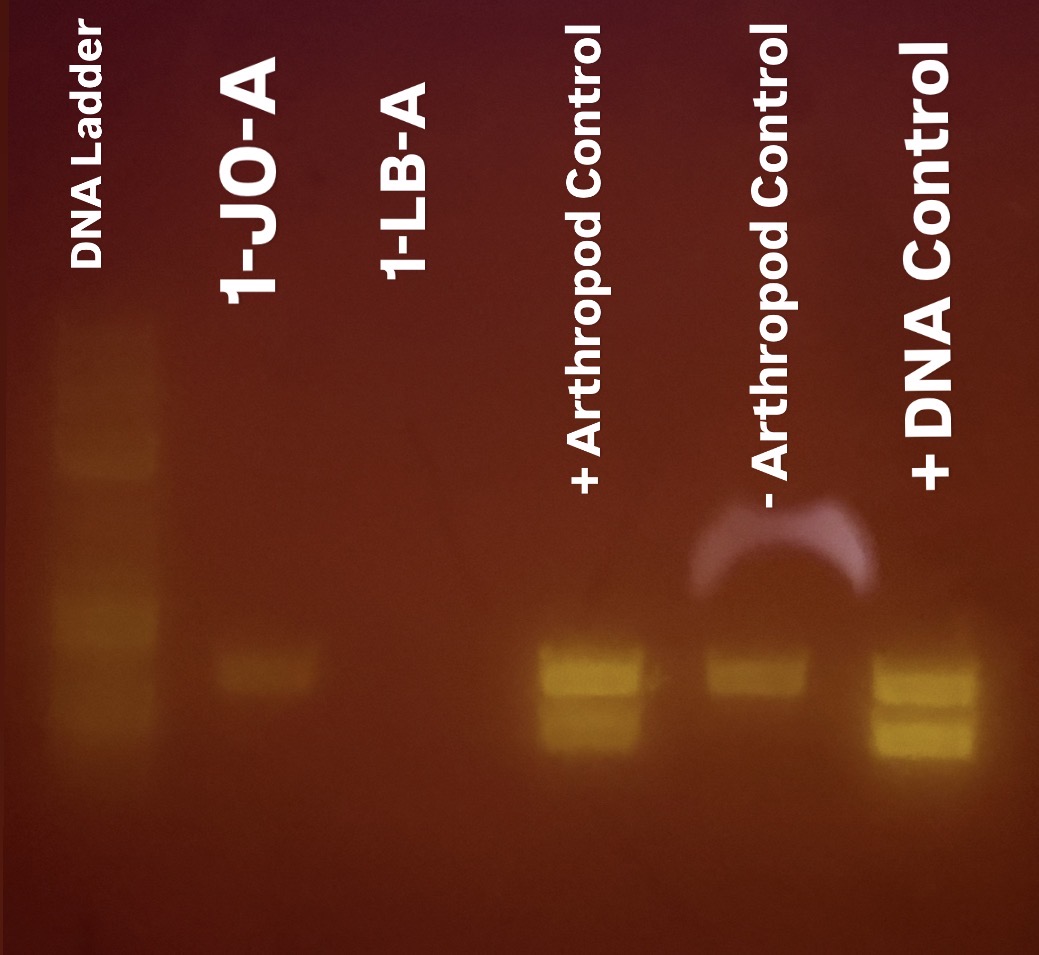
|
| Protocol notes | 1.) We used a DNA extraction protocol based on the insect adaptation of New England Biolabs’ Monarch Spin gDNA Extraction kit (Product # T3010). 2.) The specimen was incubated for 45 minutes in a hot water bath at 56 degrees C.
|
Results |
|
| Wolbachia presence | Unknown |
| Confidence level | Low |
| Explanation of confidence level | My confidence in the results is low because the arthropod control gene did not amplify during PCR. Since the control gene was not detected, it is unclear whether the DNA extraction and PCR reaction worked properly for the specimen. Without a positive arthropod control band, the absence of Wolbachia pipientis results cannot be confidently interpreted as a true negative result. Possible reasons for this include degraded DNA, insufficient DNA extraction, or errors during PCR preparation. Therefore, the results are considered inconclusive rather than definitively negative. |
| Wolbachia 16S sequence | |
| Arthropod COI sequence |
|
| Summary | |
 (no title)
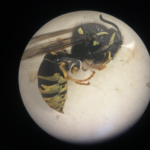 Yellowjacket Wasp
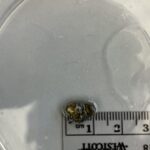 Pillbug
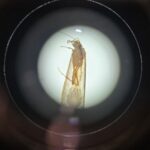 Umpachene Falls Caddisfly
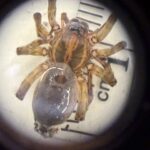 Wolf Spider