Sample information |
|
| Picture |
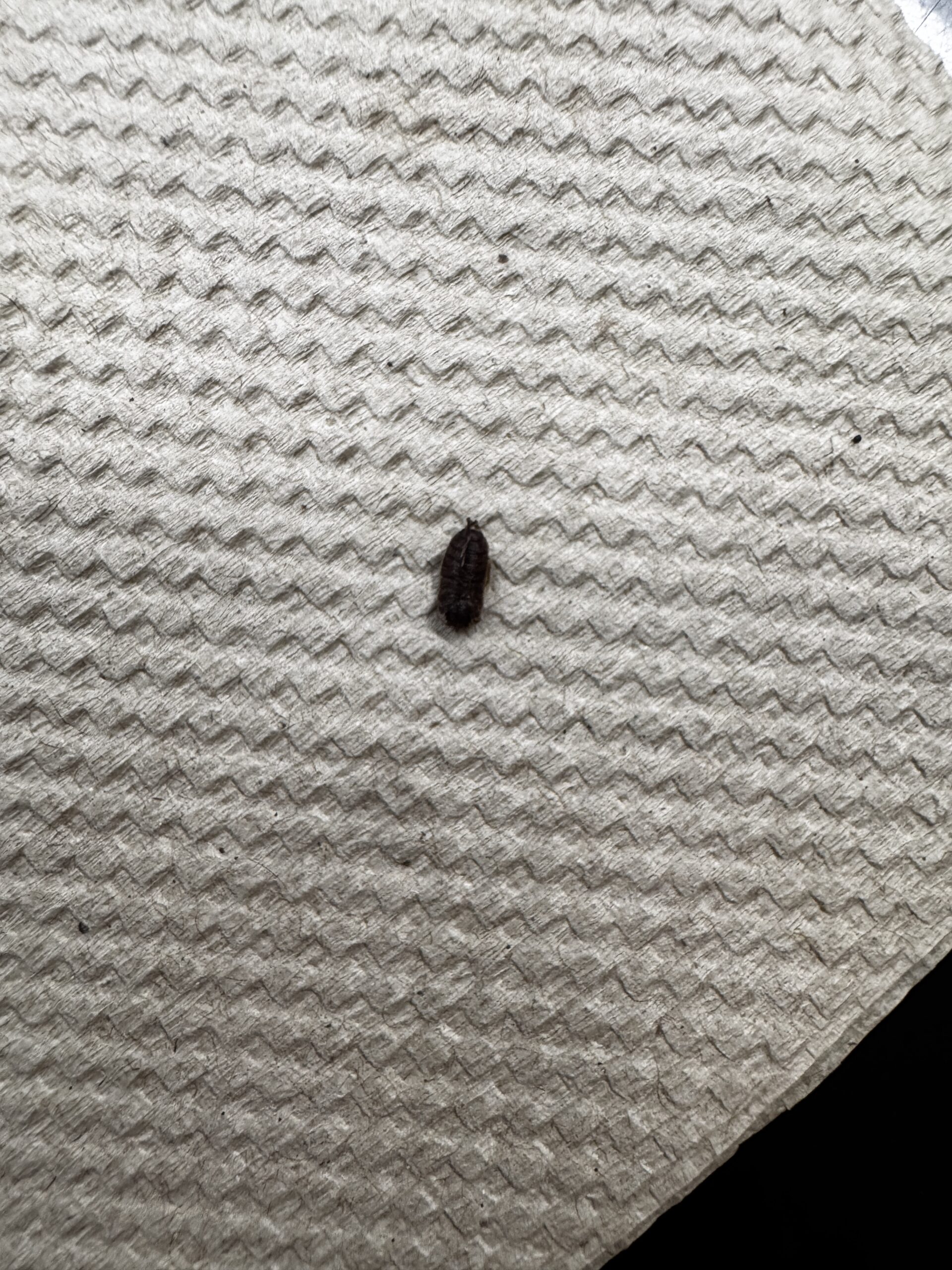
|
|---|---|
| Location | Approximate location: 36.14, -120.36 |
| Collection date | 12/12/2025 |
| Captive / Cultivated? | Wild-caught |
| Group | Coalinga High School |
| Observations | The roly poly was found outside the garden in the dirt. |
| Putative identification | Arthropoda Malacostraca Isopoda Armadillidae Armadillidium Armadillidium vulgare |
Methods |
|
| Extraction kit | DNeasy (Qiagen) |
| DNA extraction location | Abdomen/cut:partial |
| Single or Duplex PCR | Single Reaction |
| Gel electrophoresis system | MiniOne |
| Buffer | TBE |
| DNA stain | GelGreen |
| Gel images |
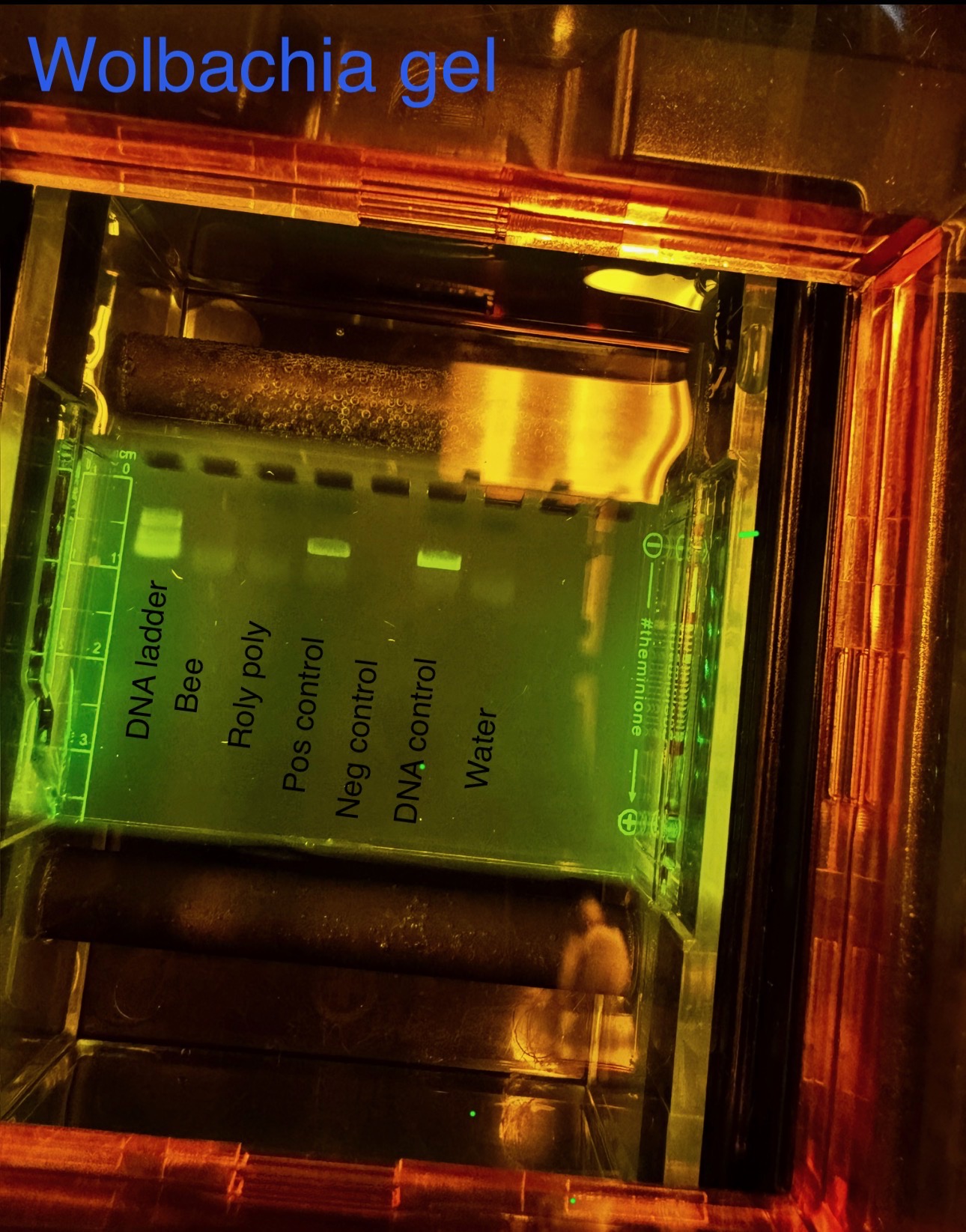
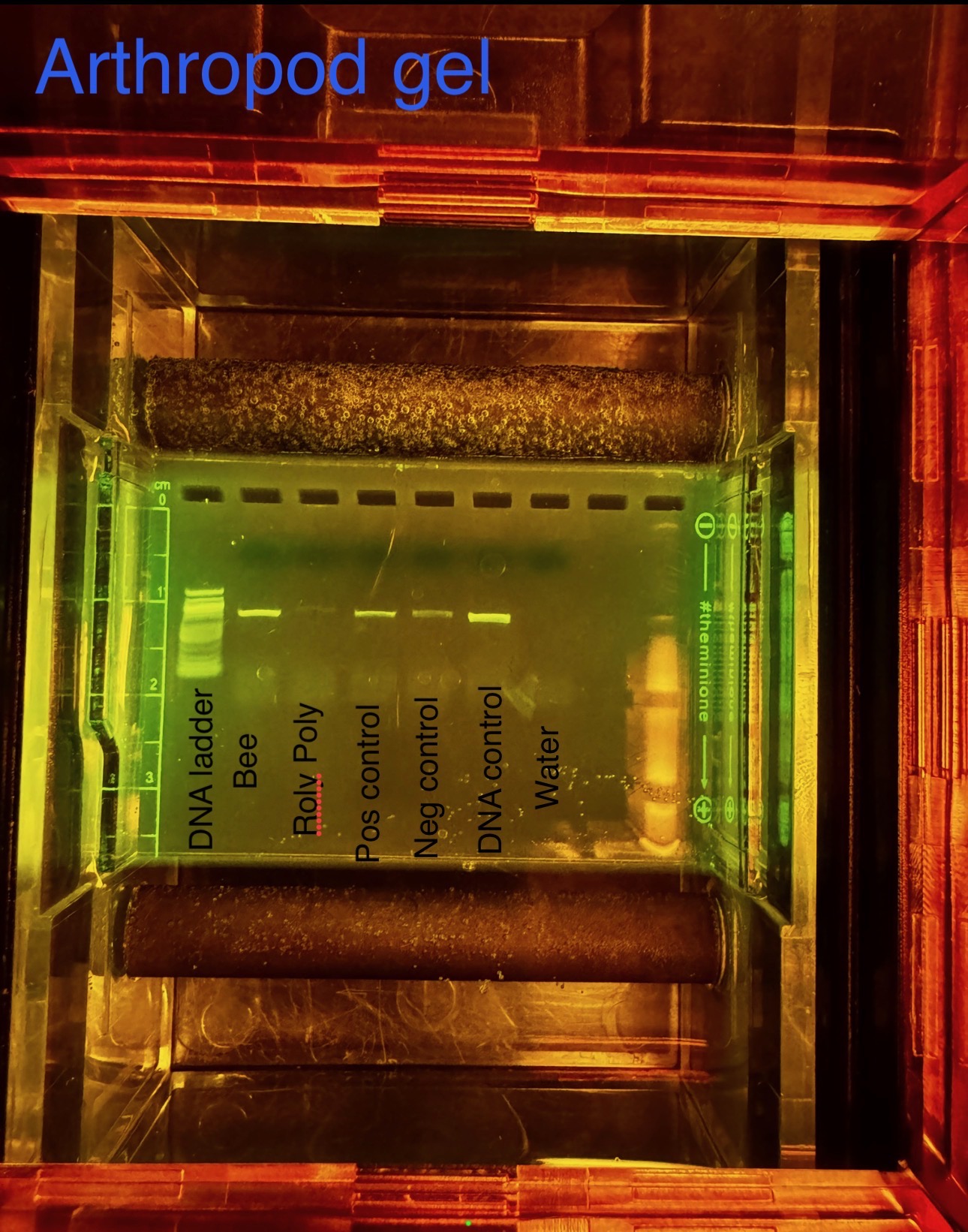
|
| Protocol notes | Followed MiniOne Protocol Lane 1: DNA Ladder Lane 2: Bee Lane 3: Roly Poly Lane 4: Positive control Lane 5: Negative control Lane 6: DNA control Lane 7: Water |
Results |
|
| Wolbachia presence | No |
| Confidence level | High |
| Explanation of confidence level | I’m really confidence in this experiment result because our pre lab result matched the end result. We had some mistakes, like adding 023 µl PCR tubes at first. Then we fixed it by adding 200µl PCR tubes. The Wolbachia brand did matched. So we can say that our roly poly has no Wolbachia infection. |
| Wolbachia 16S sequence | |
| Arthropod COI sequence |
|
| Summary | The Armadillidium vulgare was found to be negative for Wolbachia. |
 (no title)
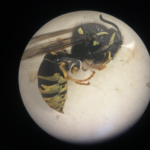 Yellowjacket Wasp
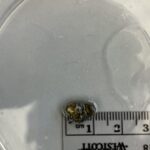 Pillbug
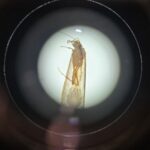 Umpachene Falls Caddisfly
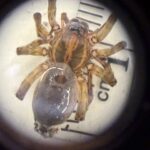 Wolf Spider