Sample information |
|
| Picture |
|
|---|---|
| Location | Approximate location: 33.86, -118.25 |
| Collection date | 04/13/2026 |
| Captive / Cultivated? | Wild-caught |
| Group | California Academy of Mathematics and Science |
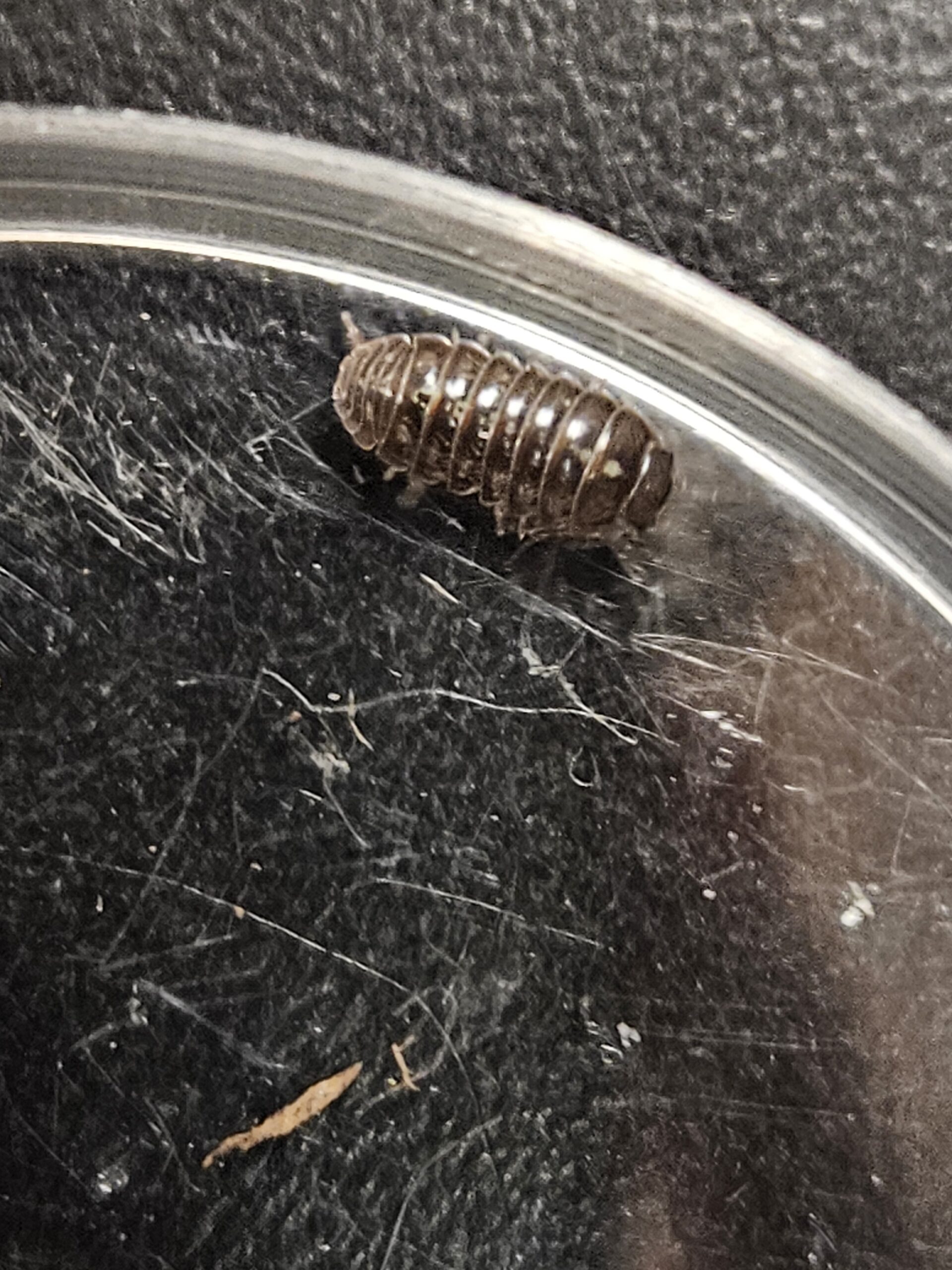
| Observations | Order: Isopod Family: Armadillidiidae Appearance: Big, Black, Oval-shaped exoskeleton body, 7 pairs of legs, 14 total Behavior: Nocturnal, Thrive in dark, damp environments Defense: Roll themselves into a ball as self-defense when threatened Ecological Role: Assists in decomposition and returns nutrients for plants into the soil Activity: Crawl around at night, in damp areas |
| Putative identification | Arthropoda Malacostraca Isopoda Armadillidae Armadillidium Armadillidium vulgare |
Methods |
|
| Extraction kit | DNeasy (Qiagen) |
| DNA extraction location | Abdomen |
| Single or Duplex PCR | Duplex Reaction |
| Gel electrophoresis system | agarose gel electrophoresis |
| Buffer | 1X TAE |
| DNA stain | UView |
| Gel images |
|
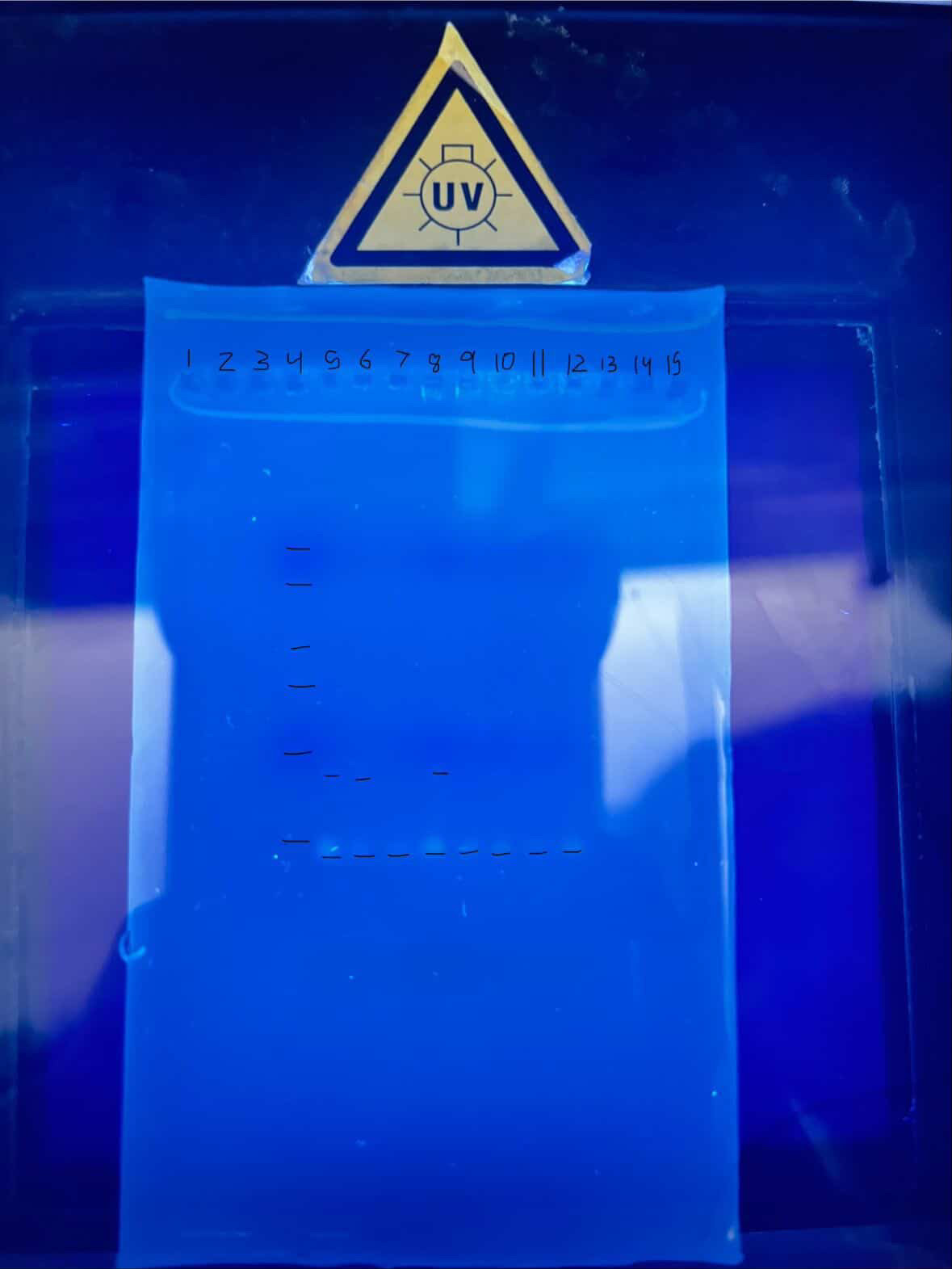
| Protocol notes | DNA Extraction We dissected the Rolly Polly by isolating its abdomen to crush it for our sample DNA extraction. Gel Electrophoresis The following lane order for our gel:
|
Results |
|
| Wolbachia presence | Yes |
| Confidence level | High |
| Explanation of confidence level | Given that the first run of our gel electrophoresis resulted in invalid data, we had to rerun our samples in our to get valid results. Our confidence levels were low at first but once we ran out gel and got bands for all of our wells. We are more than confident that our results are reliable due to our extensive precautions that we took and the multiple trial and errors. |
| Wolbachia 16S sequence | |
| Arthropod COI sequence |
|
| Summary | The Armadillidium vulgare was found to be postive for Wolbachia. |
 (no title)
 Yellowjacket Wasp
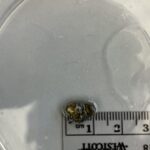 Pillbug
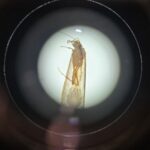 Umpachene Falls Caddisfly
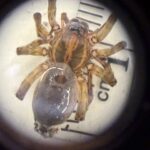 Wolf Spider