Sample information |
|
| Picture |
|
|---|---|
| Location | No map location data available. |
| Collection date | 04/15/2026 |
| Captive / Cultivated? | Wild-caught |
| Group | Thomas Jefferson High School for Science and Technology |
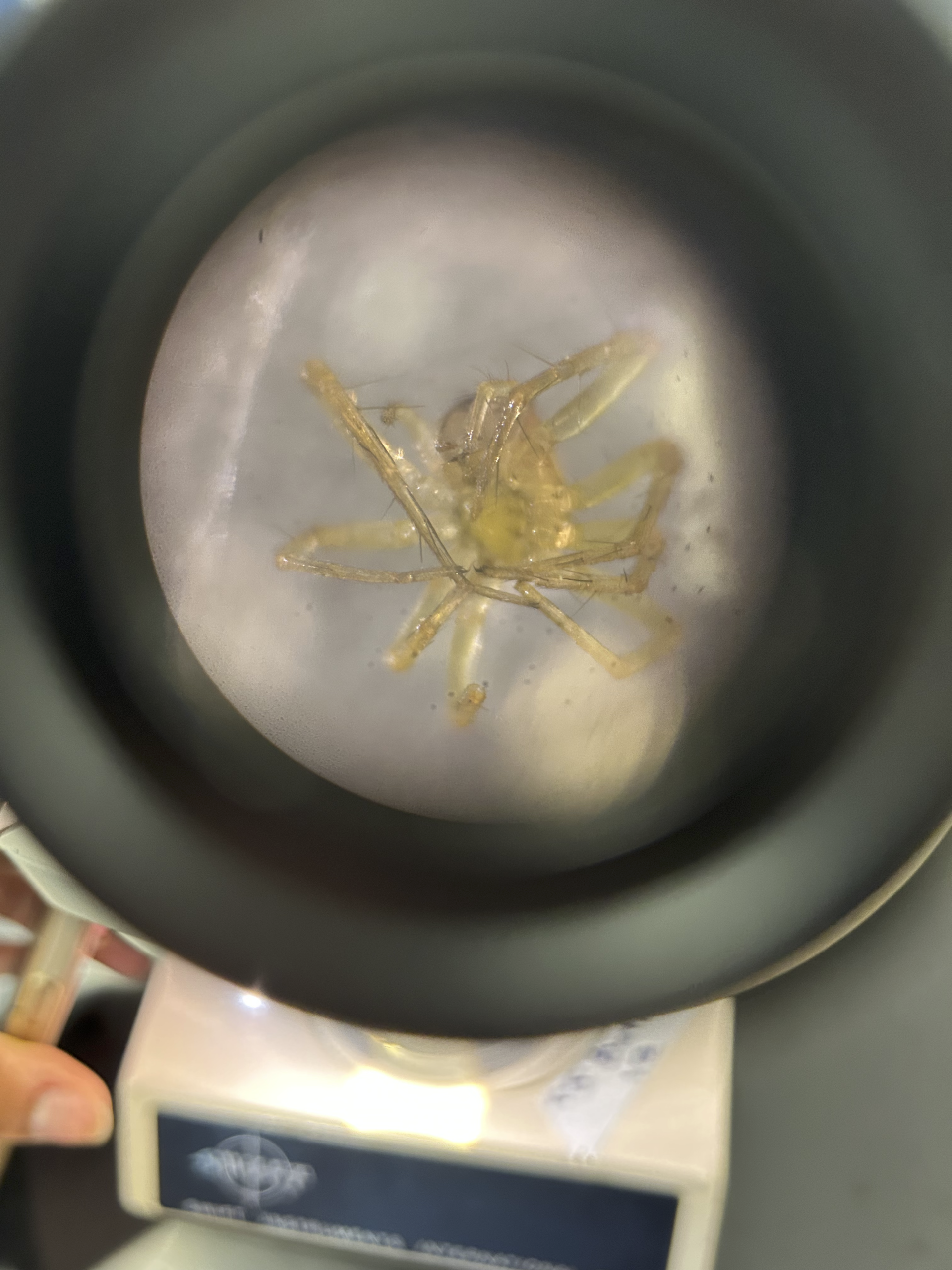
| Observations | The arthropod was caught in the lawn in front of Thomas Jefferson High School for Science and Technology. We found that the arthropod was a Striped Lynx Spider through an identification app. The arthropod was caught around 11:00 AM on April 15, which was a day that was very sunny with temperatures around 75 – 85 degrees Fahrenheit. |
| Putative identification | Arthropoda Arachnida Araneae Cheiracanthiidae Cheiracanthium Cheiracanthium mildei |
Methods |
|
| Extraction kit | DNeasy (Qiagen) blood and tissue kit |
| DNA extraction location | Whole arthropod |
| Single or Duplex PCR | Single Reaction |
| Gel electrophoresis system | MiniPCR |
| Buffer | TBE |
| DNA stain | SYBR Safe |
| Gel images |
|
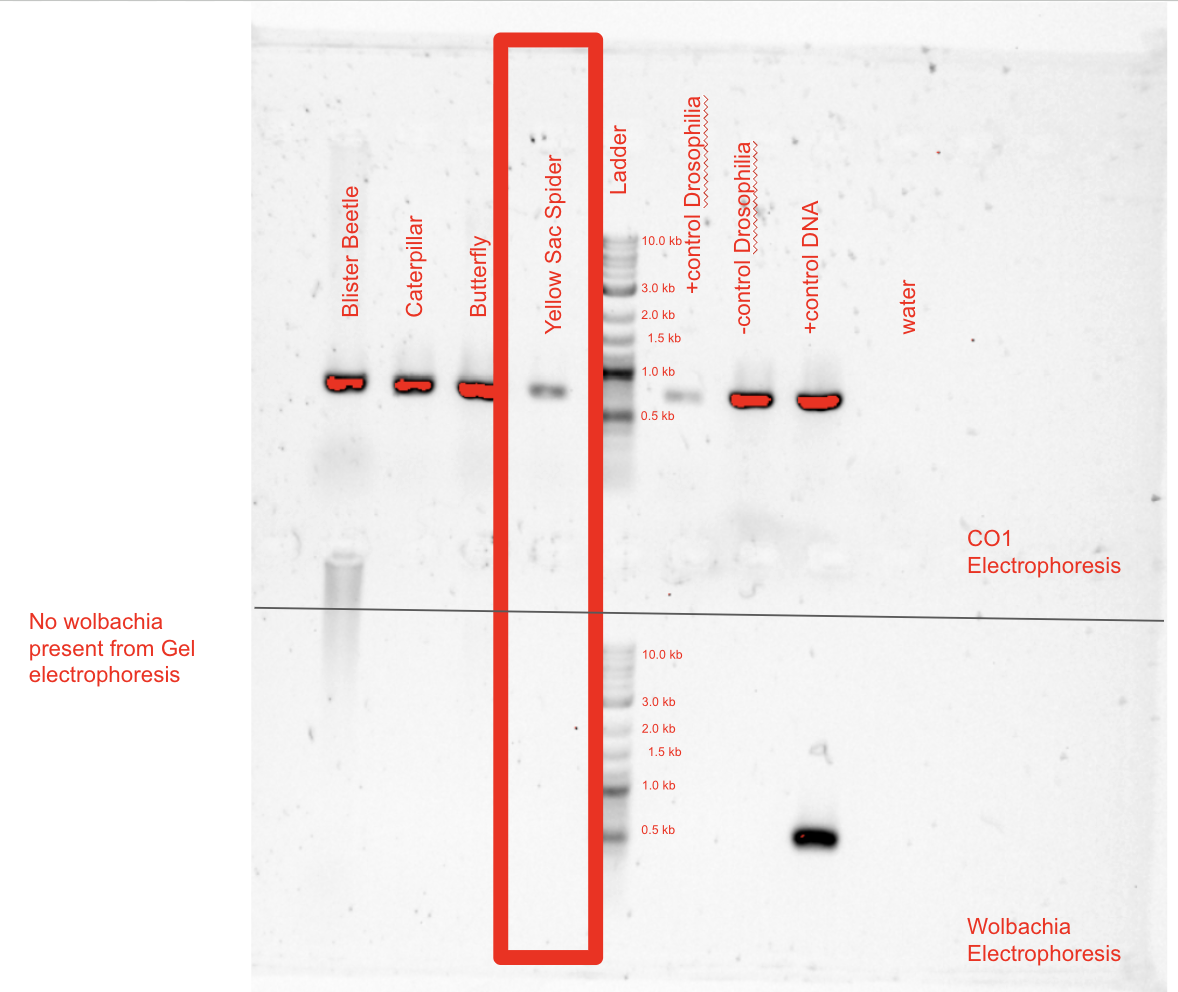
| Protocol notes | DNA extraction: I got my tissue from the whole arthropod, since it was very small. , The reproductive tissue was present because we grinded the whole body, meaning identification of Wolbachia would be possible. I ground it up with silica quartz/sterile sand. Gel Electrophoresis notes: My sample was in lane 5. In the image it looks like it is in lane 4, but the first lane was a blank, so it is actually in lane 5. The sample exhibited Co1, and so did the positive controls so the PCR processes were likely completed correctly. The first half of the image is the Co1 gel, the lower half is the Wolbachia gel. Lane 5 did not depict any wolbachia bands, so I don’t expect that the Striped Lynx Spider will get have any wolbachia present after sequencing. |
Results |
|
| Wolbachia presence | No |
| Confidence level | High |
| Explanation of confidence level | I am highly confident that there was no wolbachia presence in my arthropod because the gel showed that the DNA of the Striped Lynx Spider did not exhibit the same bands as the positive control DNA. This means that there was no wolbachia to have displayed that band. I know that the gel worked because the positive control worked as expected, meaning that the results can be trusted and that our protocol was run properly. |
| Wolbachia 16S sequence | |
| Arthropod COI sequence | Download AB1
|
| Summary | The Cheiracanthium mildei was found to be negative for Wolbachia. |
 (no title)
 Yellowjacket Wasp
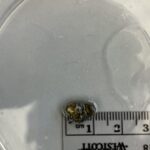 Pillbug
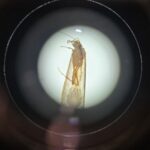 Umpachene Falls Caddisfly
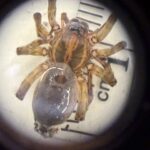 Wolf Spider