Sample information |
|
| Picture |
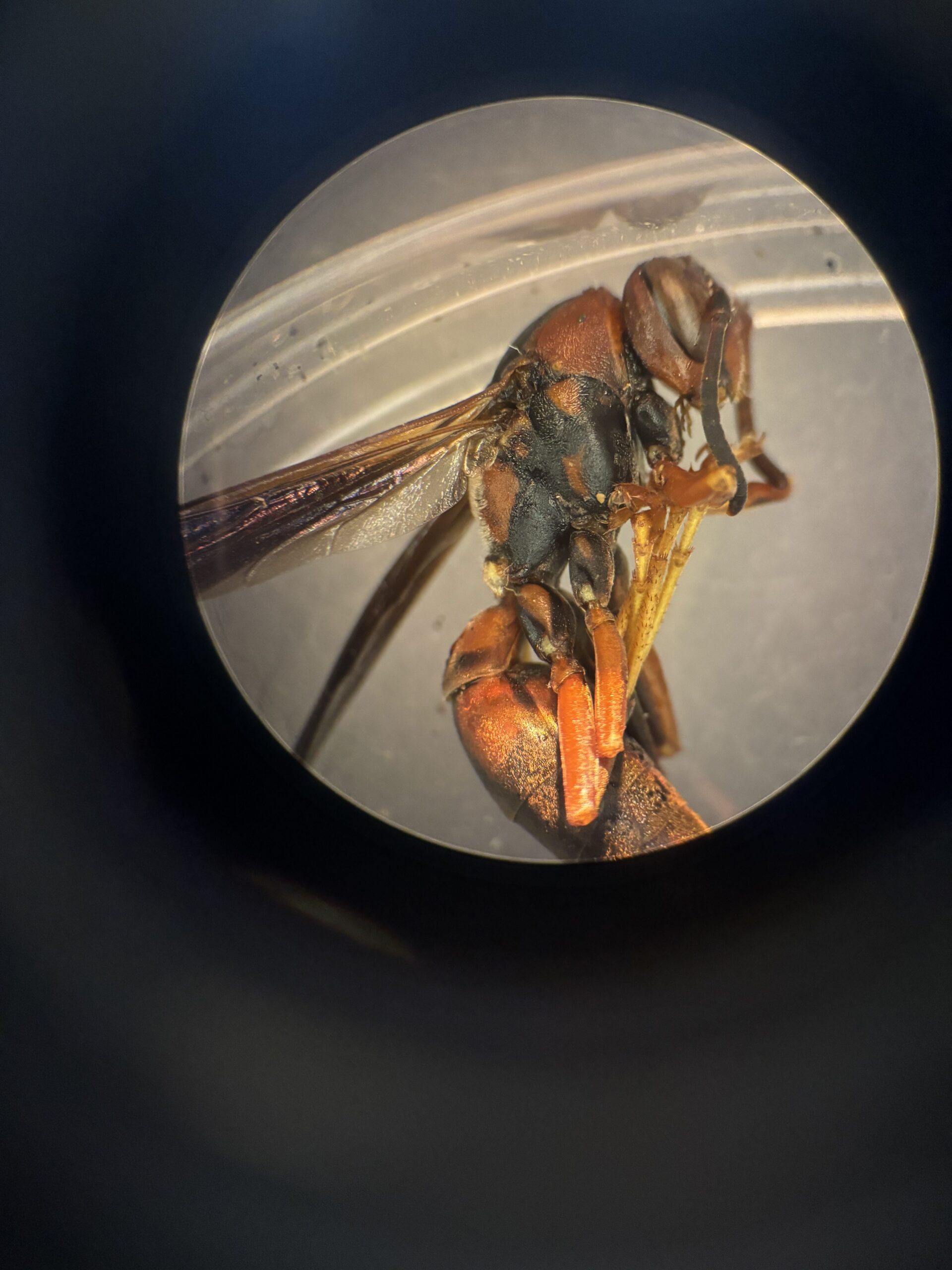
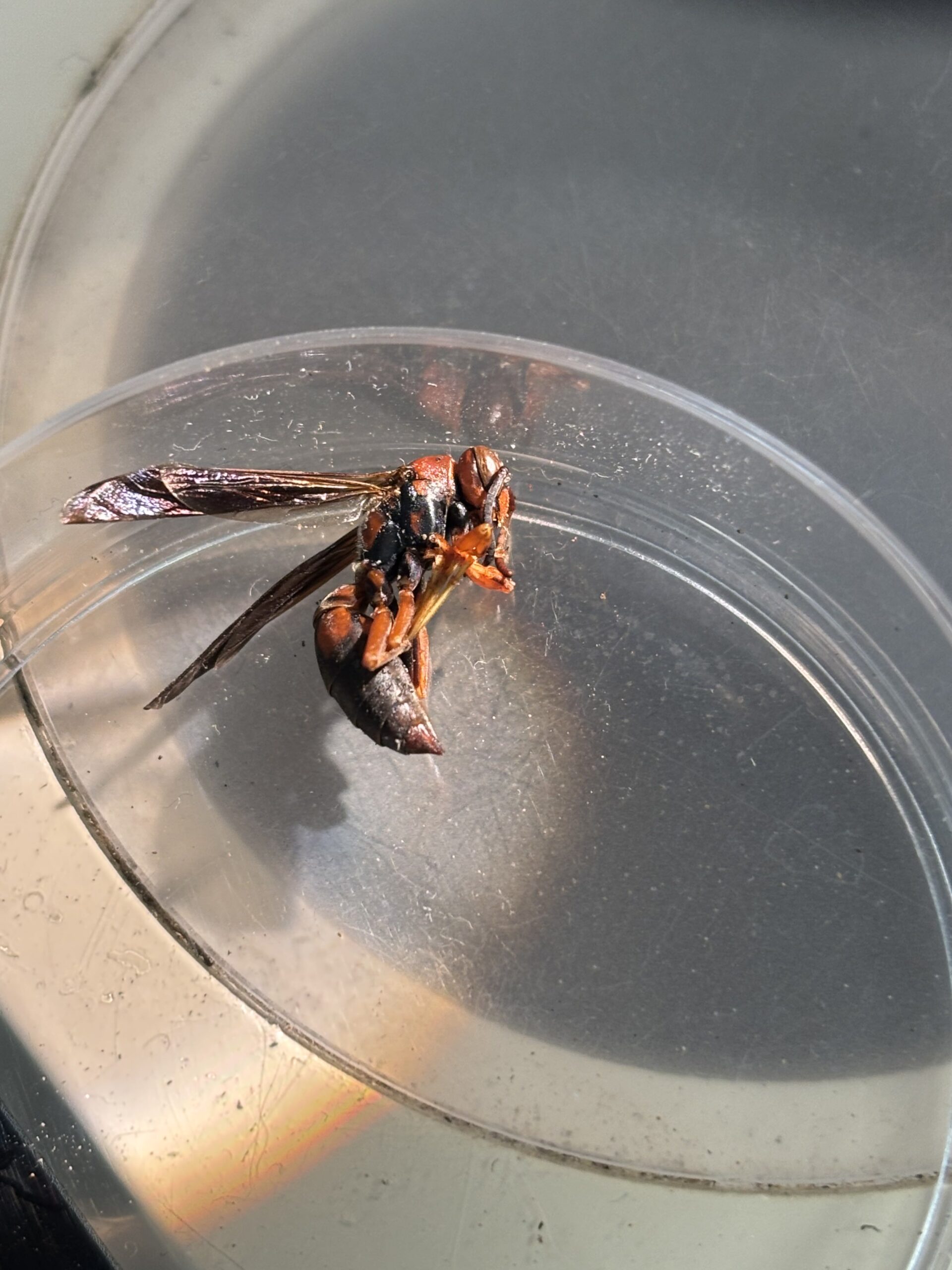
|
|---|---|
| Location | Approximate location: 38.82, -77.38 |
| Collection date | 04/10/2026 |
| Captive / Cultivated? | Wild-caught |
| Group | Thomas Jefferson High School for Science and Technology |
| Observations | This arthropod was found on a wall of a house in a forestry area. |
| Putative identification | Arthropoda Insecta Hymenoptera Vespidae Polistinae Polistes Polistes fuscatus |
Methods |
|
| Extraction kit | DNeasy (Qiagen) blood and tissue kit |
| DNA extraction location | Gonads dissected |
| Single or Duplex PCR | Single Reaction |
| Gel electrophoresis system | MiniPCR |
| Buffer | TBE |
| DNA stain | SYBR Safe |
| Gel images |
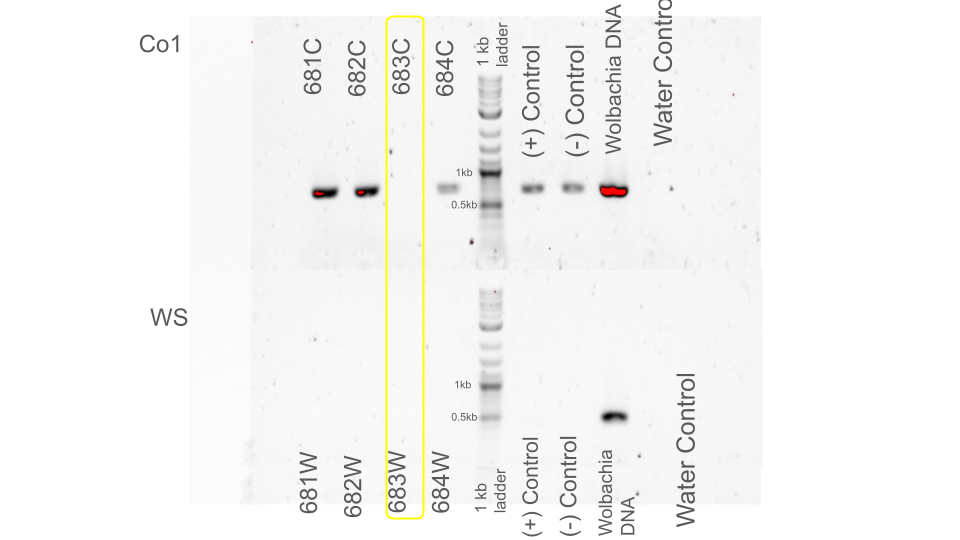
|
| Protocol notes | |
Results |
|
| Wolbachia presence | No |
| Confidence level | Medium |
| Explanation of confidence level | The gel electrophoresis results showed that the CO1 barcoding band for my arthropod was not present. However, results of DNA sequencing for my sample had a nucleic acid concentration of 127.997ug/uL, which confirms that DNA was extracted successfully. The lack of the CO1 barcoding band on my gel is therefore most likely due to an error that occurred in the PCR step; specifically, this suggests that the DNA from the arthropod was most likely not amplified sufficiently and did not result in enough DNA to appear on the band. One possible source of error during the PCR step include the dye not binding to the DNA correctly. |
| Wolbachia 16S sequence | |
| Arthropod COI sequence |
|
| Summary | The Polistes fuscatus was found to be negative for Wolbachia. |
 (no title)
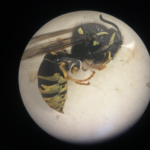 Yellowjacket Wasp
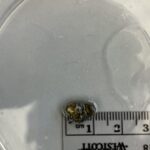 Pillbug
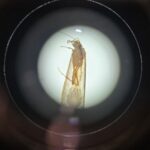 Umpachene Falls Caddisfly
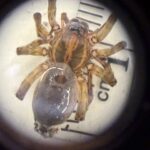 Wolf Spider