Sample information |
|
| Picture |
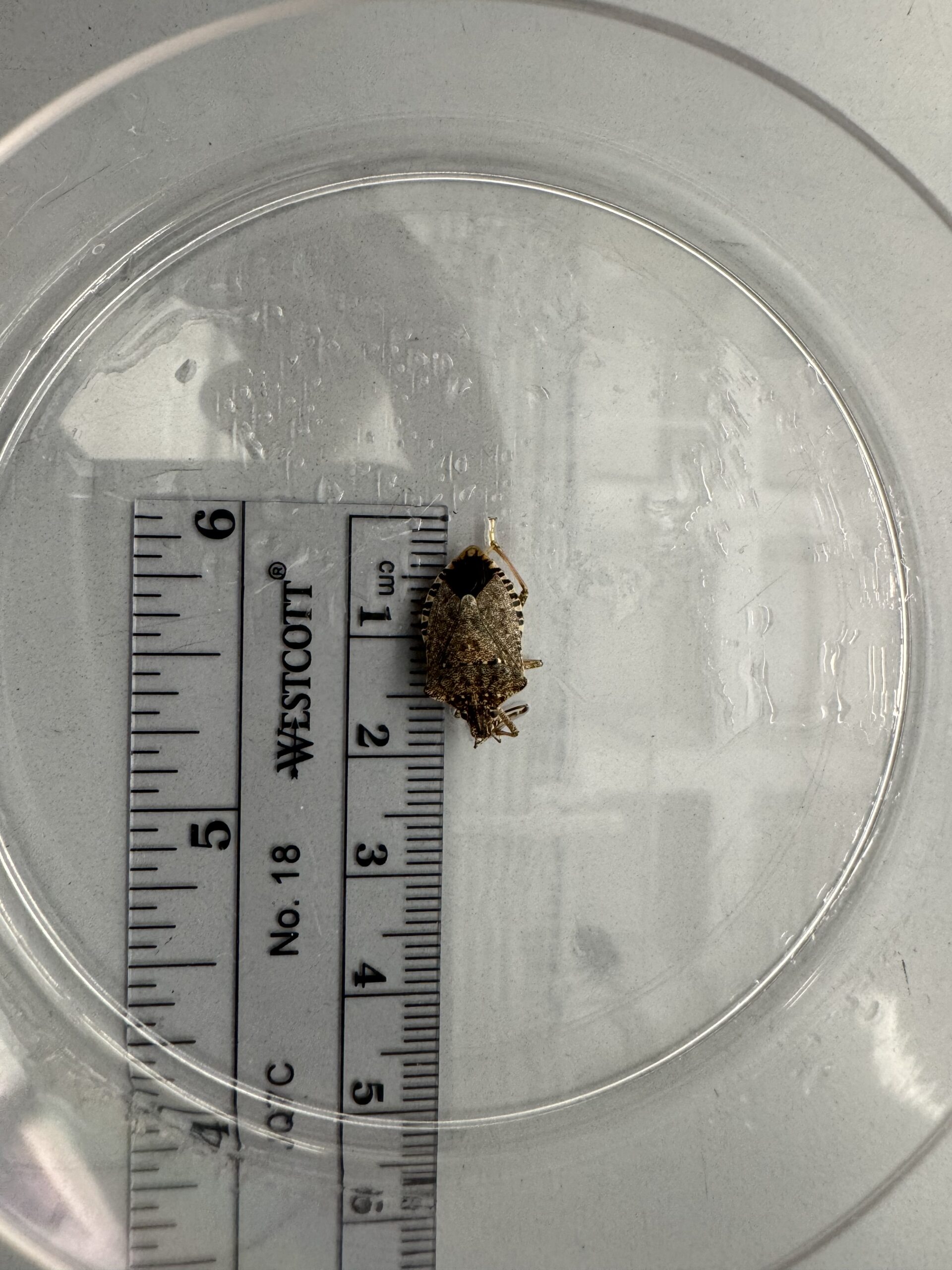
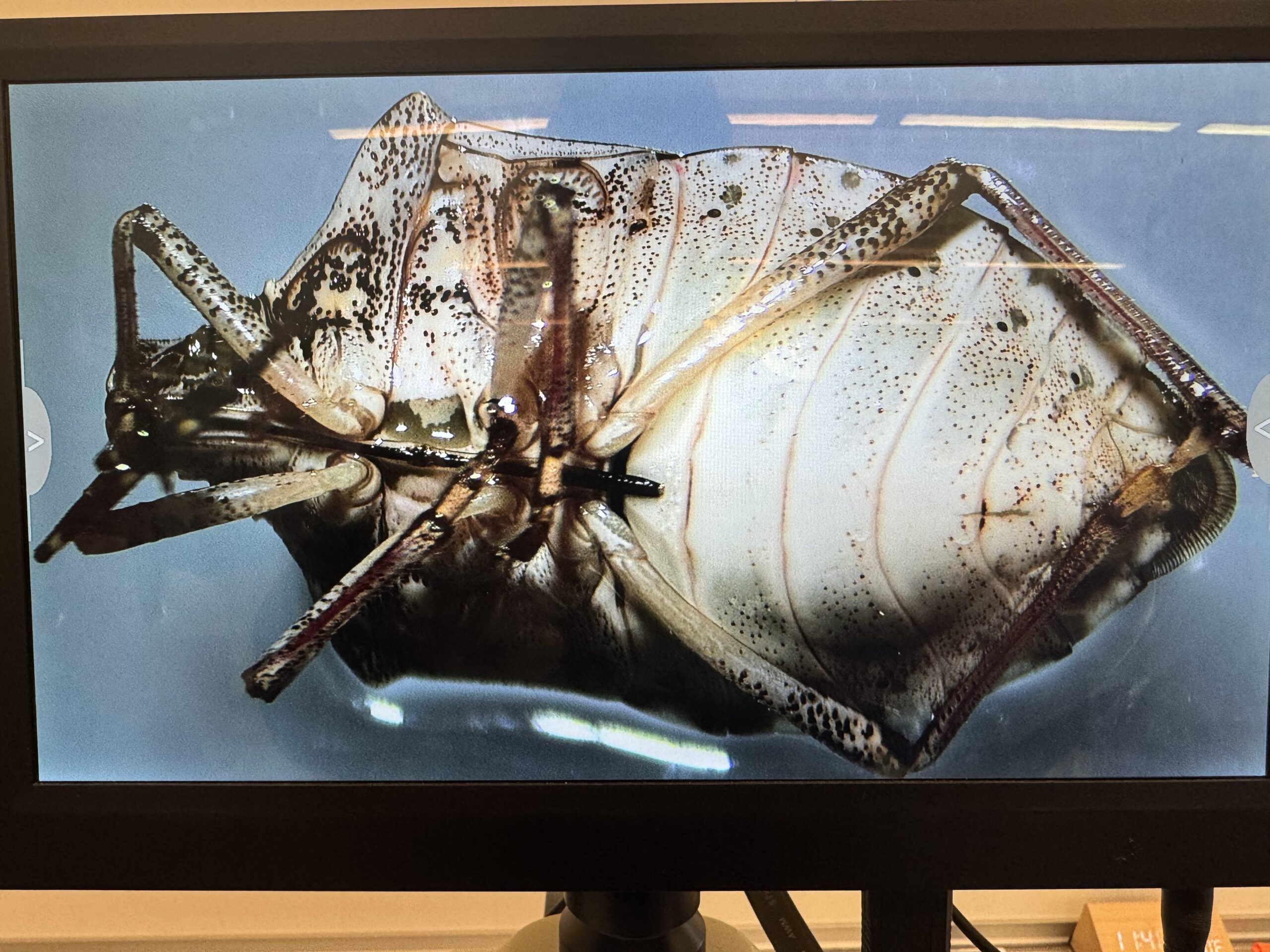
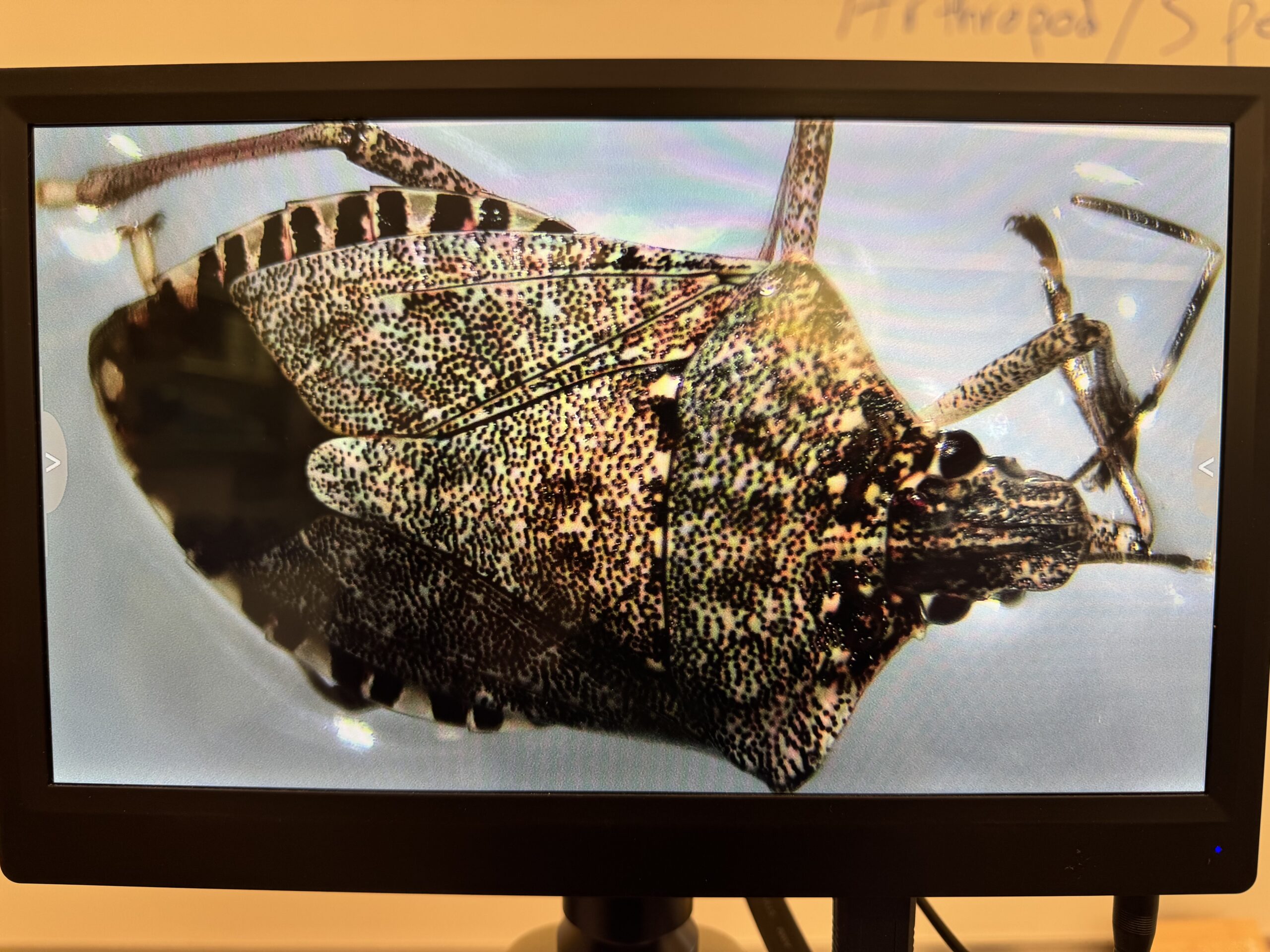
|
|---|---|
| Location | Approximate location: 42.71, -73.20 |
| Collection date | 09/29/2025 |
| Captive / Cultivated? | Wild-caught |
| Group | Berkshire Community College |
| Observations | I caught this infamous species in a close garden; it was consuming rotten tomatoes near by a composter. |
| Putative identification | Arthropoda Insecta Hemiptera Pentatomidae Halyomorpha Halyomorpha halys |
Methods |
|
| Extraction kit | Monarch DNA extraction (NEB) |
| DNA extraction location | Partial abdomen |
| Single or Duplex PCR | Single Reaction |
| Gel electrophoresis system | Edvotek Gel Electrophoresis |
| Buffer | 1X TAE |
| DNA stain | SYBR Safe |
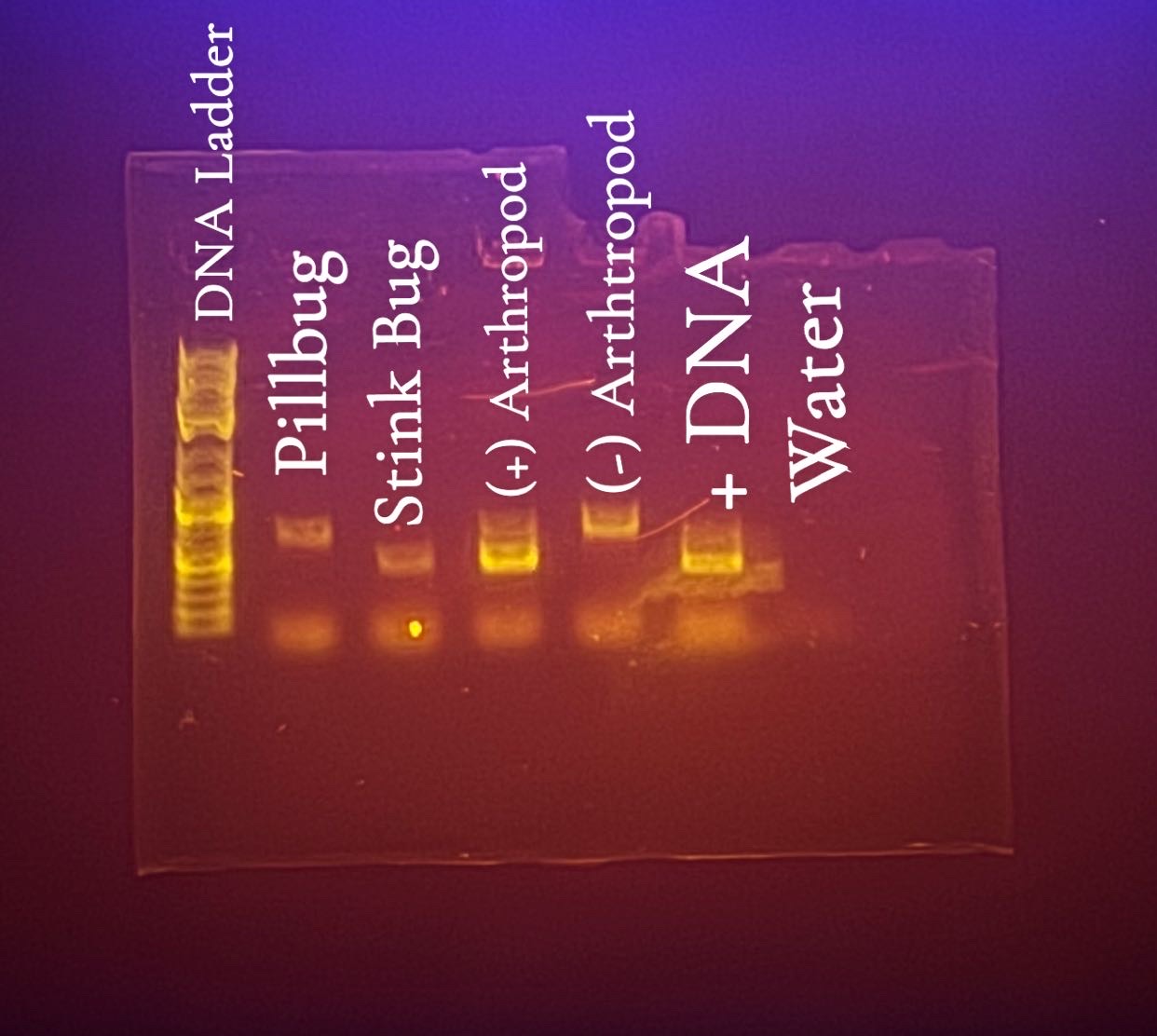
| Gel images |
|
| Protocol notes |
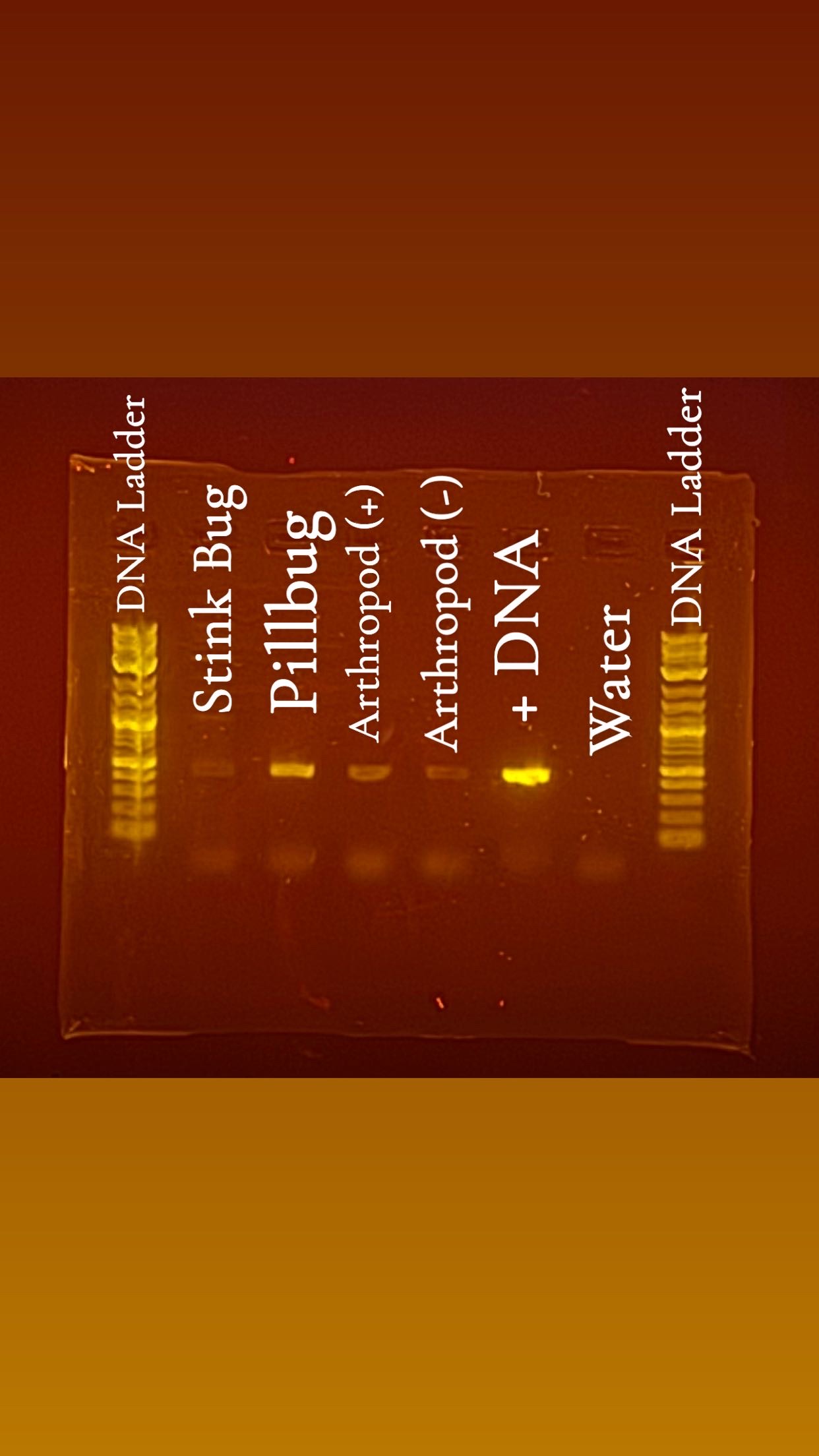
PCR 2 – Gel Electro 2
Results – I am high-moderate confident that Arthropod 2 (Pillbug) is infected with Wolbachia. On the other hand, on the first PCR testing I determined that Arthropod 1 (Stink Bug) did not had Wolbachia. Today, I am moderate confident that Arthropod 1 may be infected.
|
Results |
|
| Wolbachia presence | No |
| Confidence level | Medium |
| Explanation of confidence level | Based on the first PCR, I would say my confidence level is moderate when it comes to determining if the samples were infected with Wolbachia. The controls mostly worked, which helps me trust the results. The positive control showed a clear band, meaning the PCR worked the way it should. The negative control and water lane didn’t show any bands, so there probably wasn’t any contamination. The only issue is that the bands for the arthropod samples are pretty faint compared to the positive control. That makes it harder to be sure whether the DNA shows Wolbachia or not. Because of that, I feel somewhat confident but not completely certain about the results. After the second PCR reaction, I am high-moderate confident that Arthropod 2 (Pillbug) is infected with Wolbachia. On the other hand, on the first PCR testing I determined that Arthropod 1 (Stink Bug) did not have Wolbachia. Today, I am moderate confident that Arthropod 1 may be infected. |
| Wolbachia 16S sequence | |
| Arthropod COI sequence | Download AB1
ATATGATCTGGAATAGTAGGATCAGCTATAAGATTAATTATCCGTATCGAATTAGGACAGCCTGGAAGATTTATTGGTAATGATCAAATTTATAATGTAATTGTAACAGCACATGCATTTGTAATAATTTTCTTTATAGTAATACCAATCATAATTGGAGGATTCGGTAATTGATTAGTCCCTTTAATAATTGGAGCACCTGATATAGCCTTCCCACGATTAAATAATATAAGATTCTGATTATTACCCCCTTCATTAACTTTATTATTAATAAGAAGAATAGCAGAATCAGGAGCTGGGACAGGATGAACAGTCTATCCCCCCTTATCAAGTAATATCTCACATAGAGGAGCATCAGTTGATTTAGCTATTTTTTCCTTACATTTGGCTGGGGTTTCATCAATTTTAGGGGCAGTAAATTTTATTTCAACTATTATAAATATACGACCAACAGGTATAACCCCTGAACGAATCCCATTGTTTGTGTGATCAGTAGGAATTACTGCACTTCTTCTGTTATTATCCTTACCTGTGTTAGCAGGTGCTATTACTATACTATTAACTGACCGAAATTTTAATACCTCTTTTTTTGACCCATCAGGAGGAGGAGACCCTATTCTTTATCAACATTTATTTTGA
BLAST at The Wolbachia Project BLAST at NCBI
|
| Summary | The Halyomorpha halys was found to be negative for Wolbachia. |
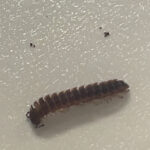 Millipede
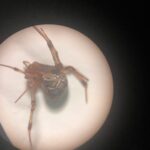 Brown Widow
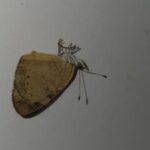 (no title)
 Texas Carpenter Ant
 Boxelder Bug (Hemiptera)