Sample information |
|
| Picture |
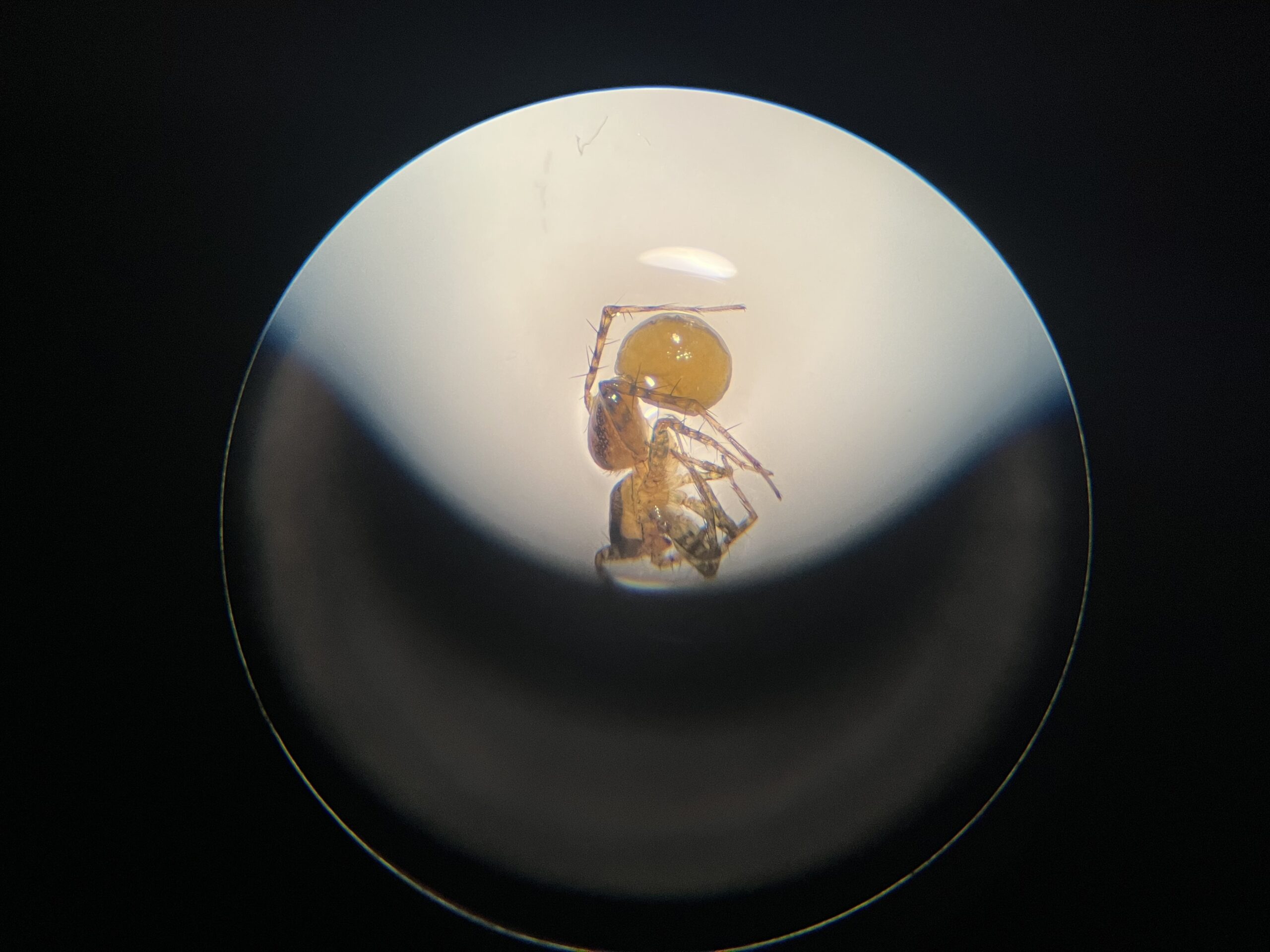
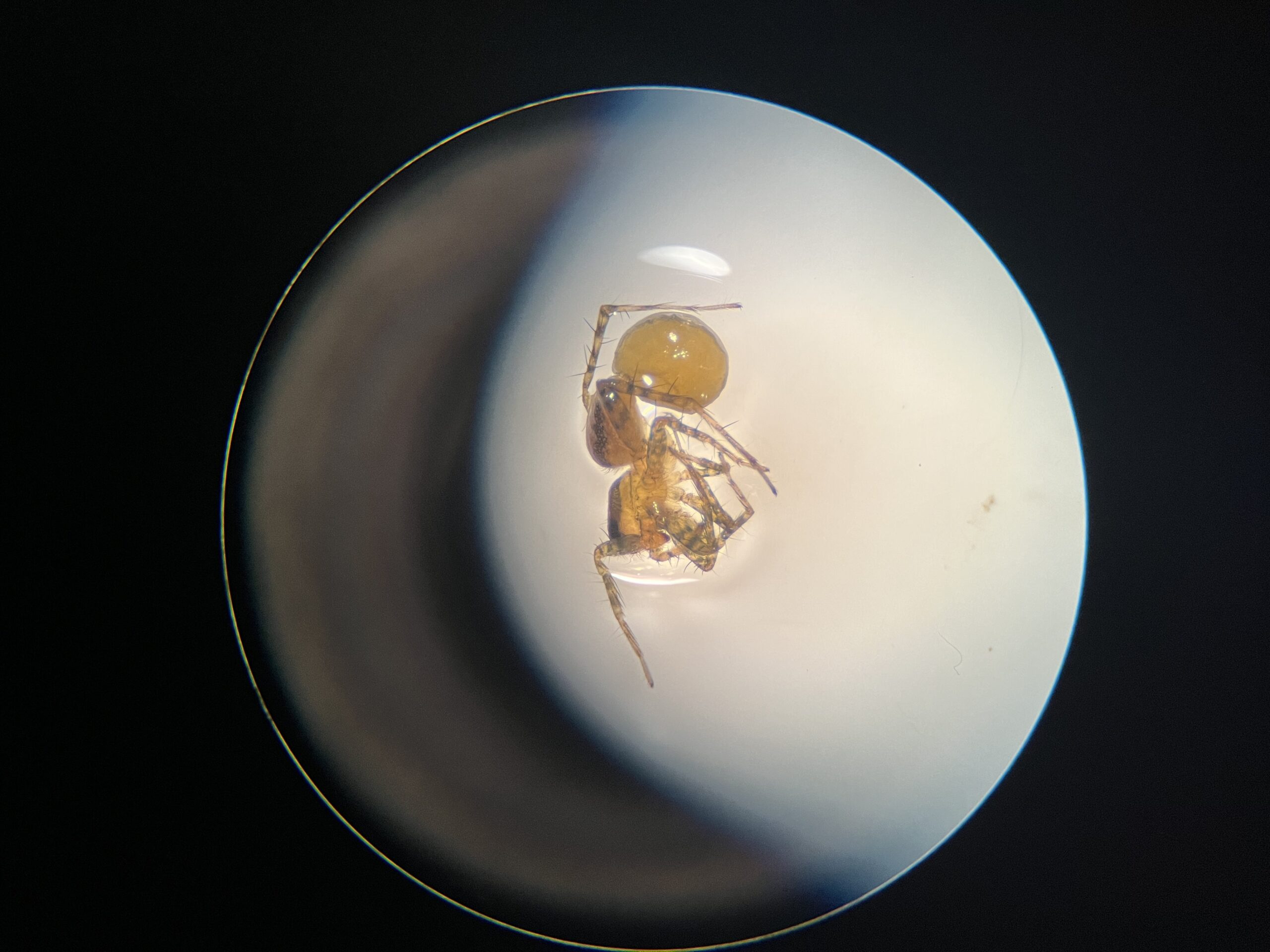
|
|---|---|
| Location | Approximate location: 38.92, -77.02 |
| Collection date | 09/15/2023 |
| Captive / Cultivated? | Wild-caught |
| Group | Edmund Burke School |
| Observations | Eight skinny black joined legs. Dark grey & mustard yellow head and |
| Putative identification | Arthropoda Arachnida |
Methods |
|
| Extraction kit | DNeasy (Qiagen) |
| DNA extraction location | Whole arthropod |
| Single or Duplex PCR | Single Reaction |
| Gel electrophoresis system | MiniOne |
| Buffer | TBE |
| DNA stain | GelGreen |
| Gel images |
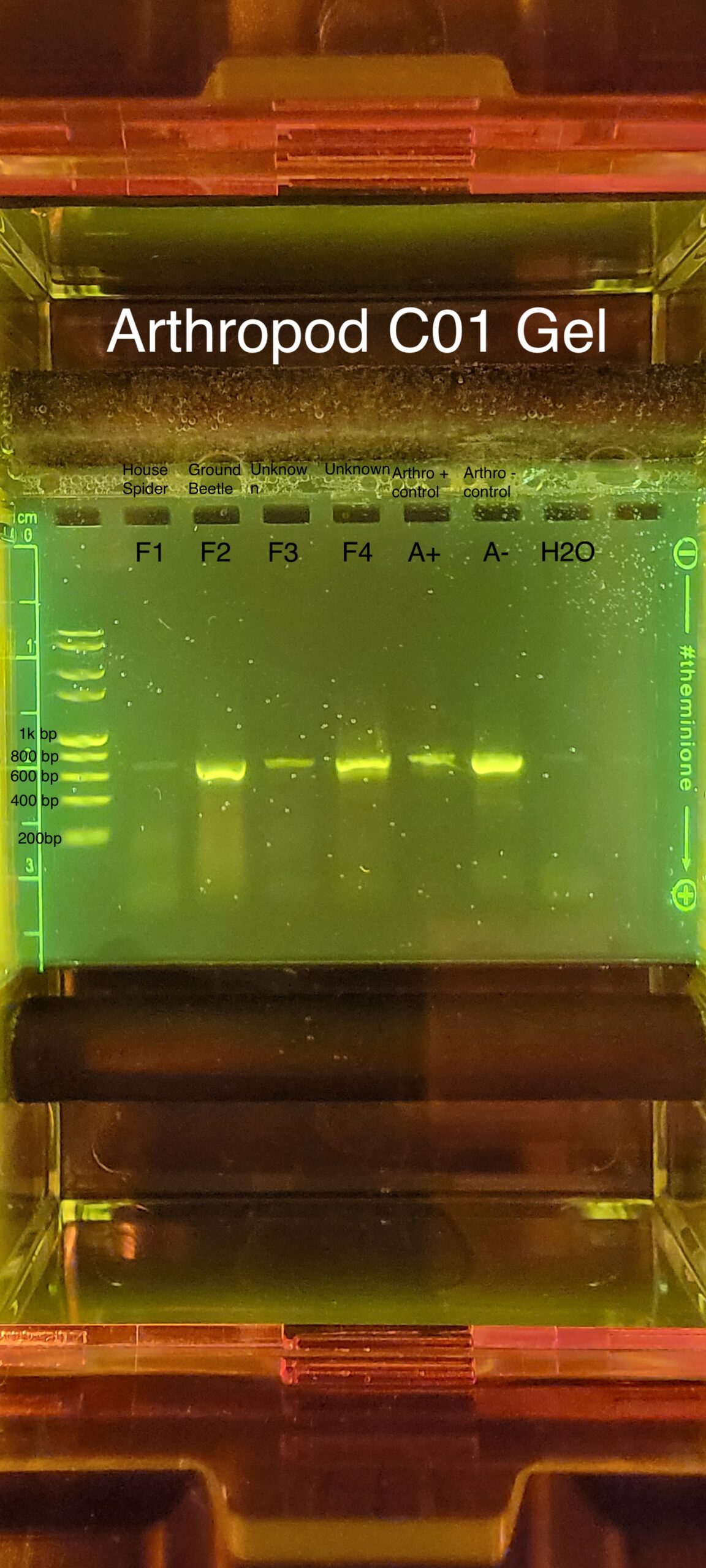
|
| Protocol notes | The used pippet tip went into liquid but the used tip was not used, just submerged in the liquid. It was used twice with non-DNA sample liquids. |
Results |
|
| Wolbachia presence | No |
| Confidence level | High |
| Explanation of confidence level | No mistakes were made that could possibly contaminate DNA. |
| Wolbachia 16S sequence | |
| Arthropod COI sequence | Download FASTA
Download AB1
|
| Summary | The Arachnida was found to be negative for Wolbachia. |
 (no title)
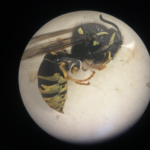 Yellowjacket Wasp
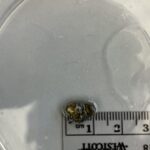 Pillbug
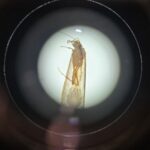 Umpachene Falls Caddisfly
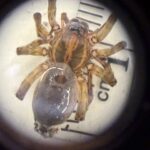 Wolf Spider