Sample information |
|
| Picture |
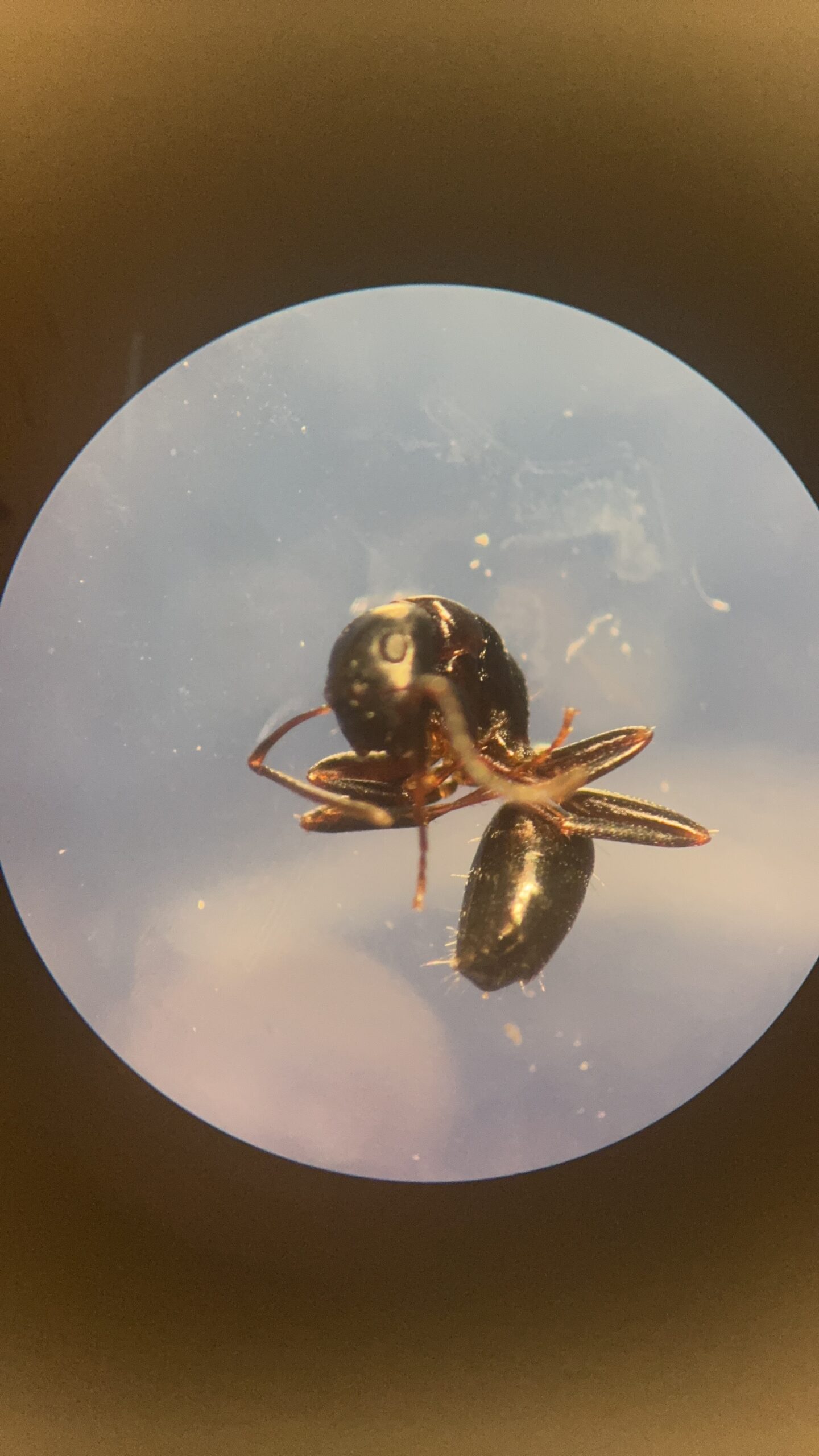
|
|---|---|
| Location | Approximate location: 40.62, -74.57 |
| Collection date | 06/03/2026 |
| Captive / Cultivated? | Wild-caught |
| Group | Pingry School |
| Observations | This ant was found on the bridge at the Columbus Trail at the Pingry School. The ant was walking on the rail of the wooden bridge over a stream in the middle of the forest, in the suburban area. |
| Putative identification | Arthropoda Insecta Hymenoptera Formicidae Camponotus Camponotus nearcticus |
Methods |
|
| Extraction kit | DNeasy (Qiagen) blood and tissue kit |
| DNA extraction location | Whole arthropod |
| Single or Duplex PCR | Single Reaction |
| Gel electrophoresis system | agarose gel electrophoresis |
| Buffer | 1X TAE |
| DNA stain | SYBR Safe |
| Gel images |
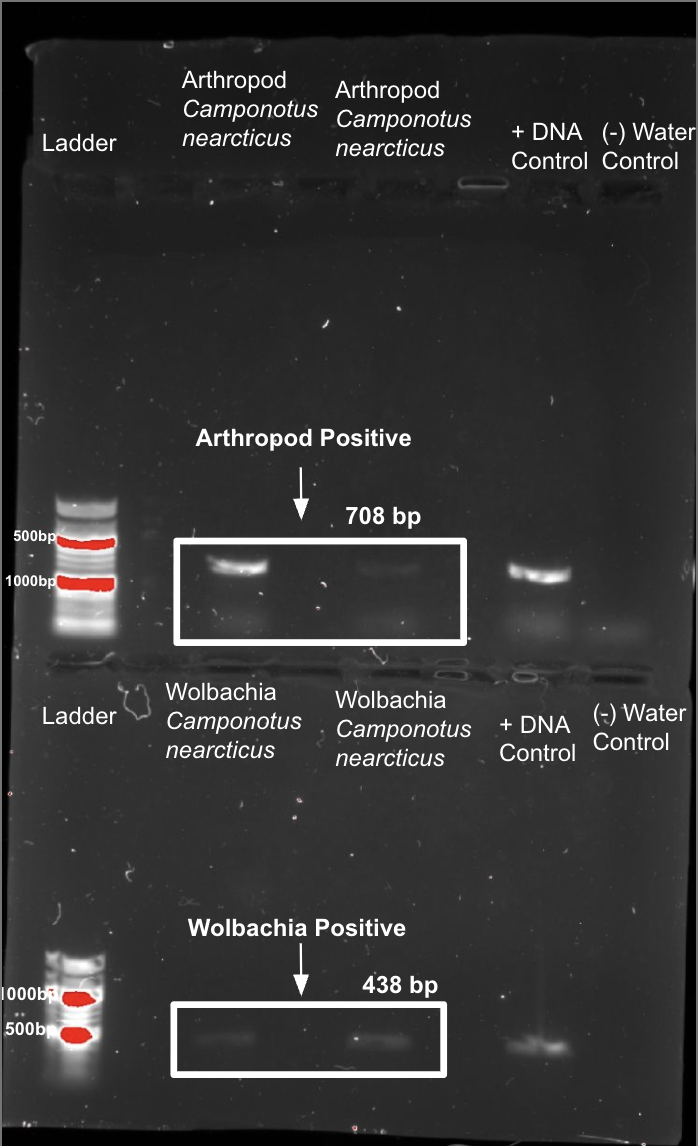
|
| Protocol notes | The first step of the project was collecting an ant from the woods. After the specimen was collected, I extracted its DNA by cutting off the abdomen, isolating the genetic material. Next, I performed polymerase chain reaction (PCR) to amplify the DNA. Once PCR was complete, I measured the DNA concentration using a NanoDrop, which showed a concentration of 52.5 ng/µL. I then conducted gel electrophoresis to determine whether the ant was infected with Wolbachia. The gel results confirmed the presence of Wolbachia in the specimen. After this, I purified the PCR products and measured their concentrations again using the NanoDrop, obtaining values of 24.3 ng/µL and 6.5 ng/µL. Finally, I submitted the purified DNA samples for sequencing to further analyze the genetic material. |
Results |
|
| Wolbachia presence | Yes |
| Confidence level | Low |
| Explanation of confidence level | The confidence level is low because my original prediction for this arthropod was a Camponotus nearcticus. After purifying the PCR product, the results did not match my original prediction. The results aligned with Phaonia. |
| Wolbachia 16S sequence | Download FASTA
|
| Arthropod COI sequence | Download FASTA
|
| Summary | The Camponotus nearcticus was found to be postive for Wolbachia. |
 (no title)
 Yellowjacket Wasp
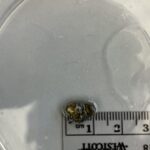 Pillbug
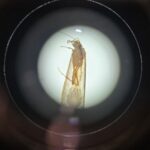 Umpachene Falls Caddisfly
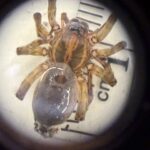 Wolf Spider