Sample information |
|
| Picture |

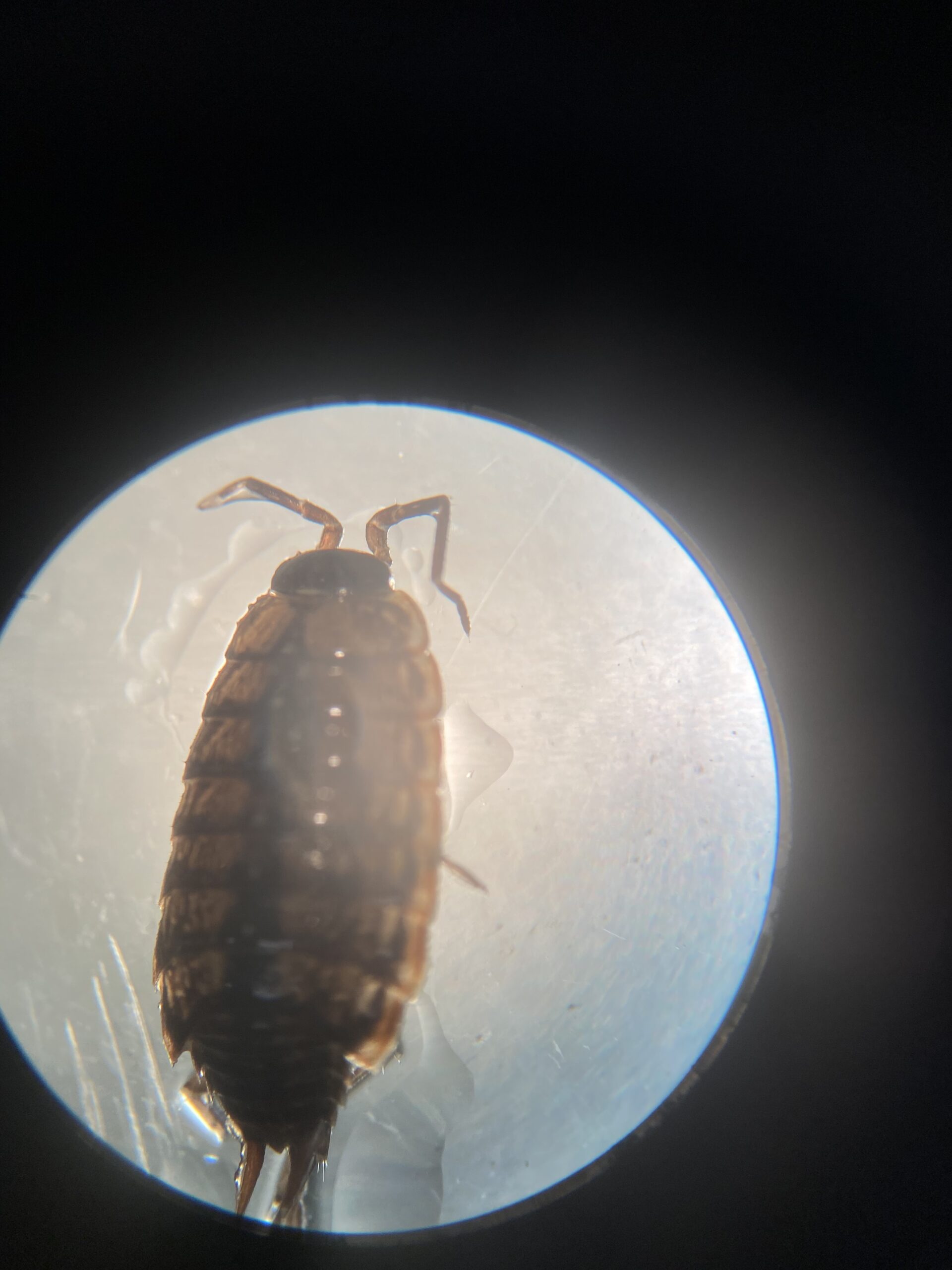
|
|---|---|
| Location | Approximate location: 37.09, -76.47 |
| Collection date | 04/13/2022 |
| Captive / Cultivated? | Wild-caught |
| Group | Hampton Roads Academy |
| Observations | Oval shaped, with seven sets of legs and a hard outer shell, these creatures are best known for their ability to roll themselves into a perfectly shaped ball when threatened. |
| Putative identification | Arthropoda Malacostraca Isopoda Armadillidae |
Methods |
|
| Extraction kit | Edwards Buffer |
| DNA extraction location | Abdomen |
| Single or Duplex PCR | Single Reaction |
| Gel electrophoresis system | MiniOne |
| Buffer | TBE |
| DNA stain | GelGreen |
| Gel images |
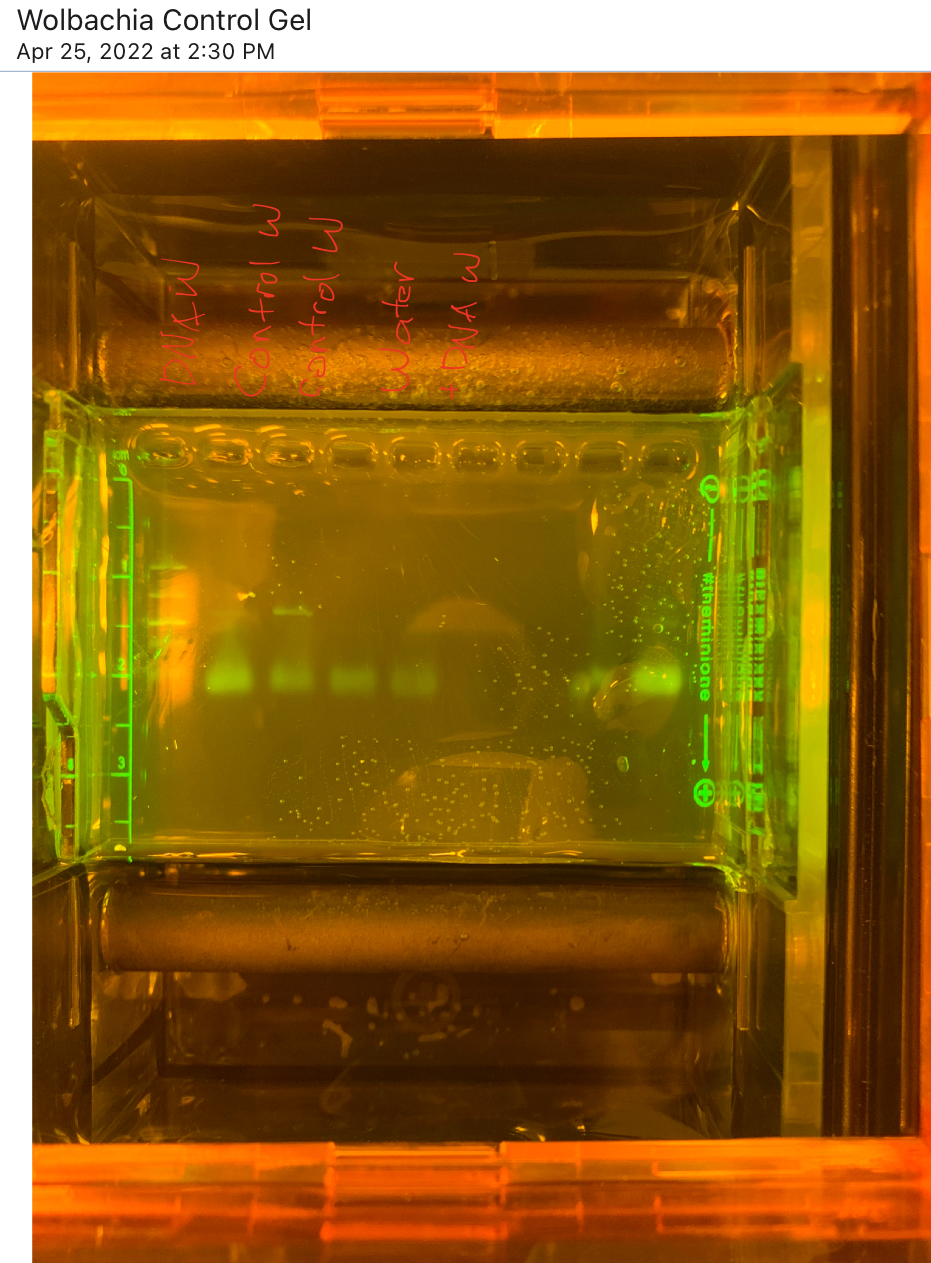
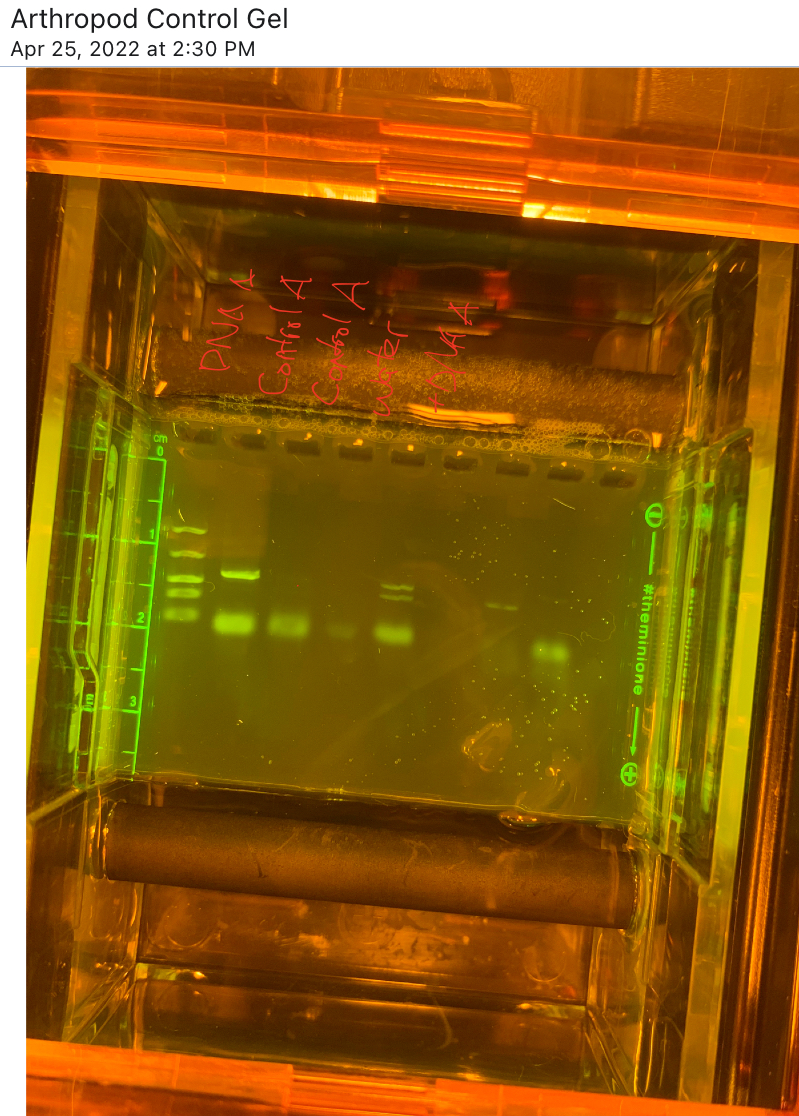
|
| Protocol notes | The control was not clear so we are unsure about the results. Color of pill was brown. |
Results |
|
| Wolbachia presence | No |
| Confidence level | Medium |
| Explanation of confidence level | we aren’t sure because the control was unsure |
| Wolbachia 16S sequence | |
| Arthropod COI sequence |
|
| Summary | The Armadillidae was found to be negative for Wolbachia. |
 (no title)
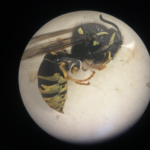 Yellowjacket Wasp
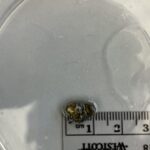 Pillbug
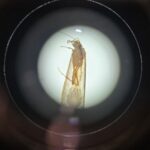 Umpachene Falls Caddisfly
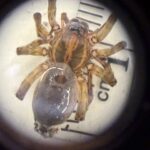 Wolf Spider