Sample information |
|
| Picture |
|
|---|---|
| Location | Approximate location: 40.62, -74.57 |
| Collection date | 05/25/2025 |
| Captive / Cultivated? | Wild-caught |
| Group | Pingry School |
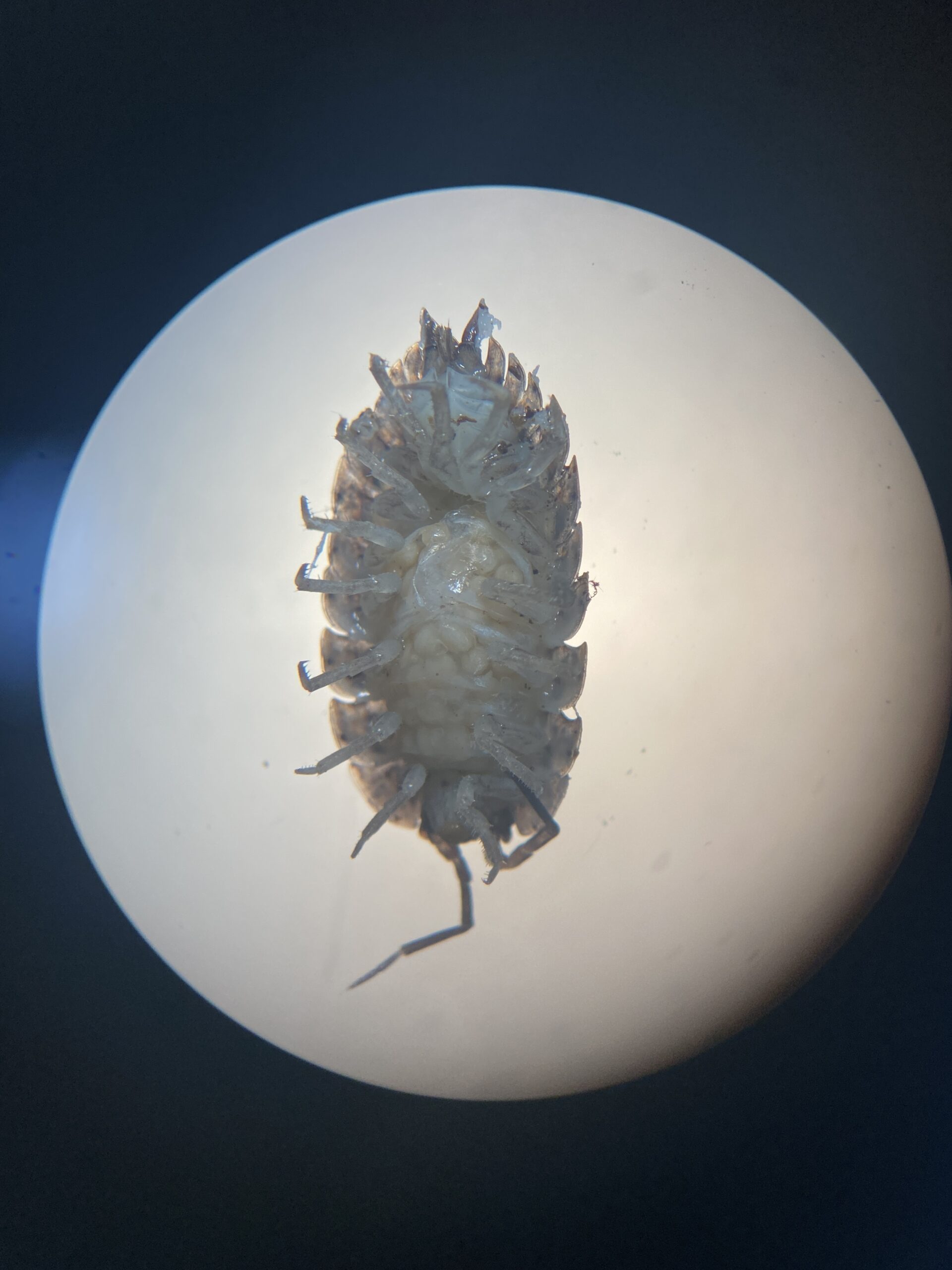
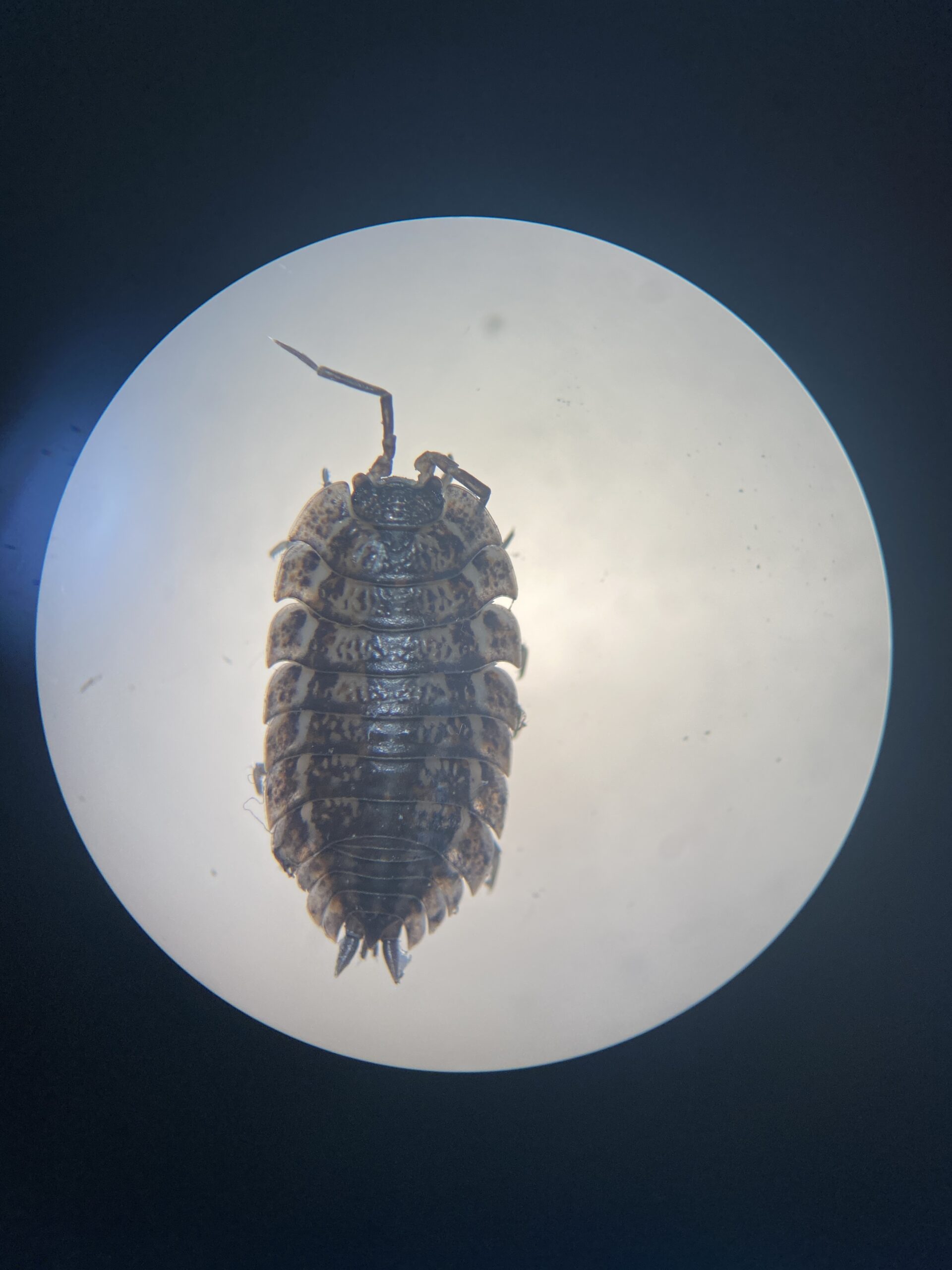
| Observations | A gray Roly-Poly speckled with brown on its dorsal side, with a yellow-tinted pouch on its ventral side, which was filled with eggs. The arthropod had 14 legs and two antennae and found under a rock on the trail behind the Pingry School and easy to pick up. |
| Putative identification | Arthropoda Malacostraca Isopoda Armadillidae |
Methods |
|
| Extraction kit | DNeasy (Qiagen) blood and tissue kit |
| DNA extraction location | Abdomen |
| Single or Duplex PCR | Single Reaction |
| Gel electrophoresis system | Standard electrophoresis system |
| Buffer | 1X TAE |
| DNA stain | Cyber Stain |
| Gel images |
|
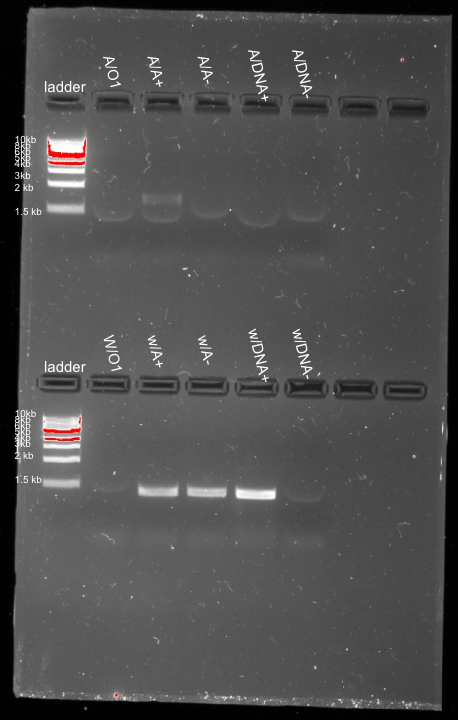
| Protocol notes | Extract DNA using DNeasy extraction kit, and then amplify both Wolbachia and arthropod CO1 gene with PCR. After PCR, took 10 microliters of the PCR product and 4 microliters of loading dye and separated into 1.5 mL tubes. Then made 2% agarose gel and put 1x TAE buffer with double wells (8 wells, two for 16 wells in total). Then loaded 1kb ladder (very left) the wells on the top represent arthropod amplified samples and the wells on the bottom represent Wolbachia amplified wells. The order goes (for both top and bottom): Ladder, Bug Sample, Positive Arthropod Control, Negative Arthropod Control, Positive DNA control, Negative DNA control. |
Results |
|
| Wolbachia presence | Yes |
| Confidence level | Low |
| Explanation of confidence level | In the gel, there was no band for the CO1 gene present in the first lane (top wells), which indicates that DNA extraction was likely poor. The positive arthropod control has a band for CO1 gene in lane 2 (top wells) with size 2kb. However, there is a faint band at Wolbachia in the first lane (bottom wells) of size 1.5 kb, confirmed by a band of same size in the positive arthropod in lane 2 (bottom wells). In addition, after blasting in the NCBI database, there was an 86% match for the Wolbachia bacteria (but no match for Arthropod identification, which corresponds with the lack of a CO1 gene) However, there is a band for the negative Arthropod control in lane 3 of the bottom section, which indicates an error in the process and invalidates my results. |
| Wolbachia 16S sequence | Download FASTA
Download AB1
TATCTGGTCATGCTGANNACTNGANGGAAACTGCCANTGATAAGNAGGAGGAAGGTGGGGATGATGTCACGTCATTTGGG CTTTATGGAGAGGGCTACNCACGTGNNACAATGGNGTCTACAGTGGGGTTCAAGGTGCGCAAGCCTAANNTAATCCCNAA AAGACATCTCCGCTCGGATTGTACTCTGCTCCTCGAGTACATGAAGTTGGAATGACTAGNAATCGTGGATCANCATGCCA CGGNGAATACGTNNNCGTGTCTTGTACACACTGCCCGTCACGCCATGGGAANTGG
BLAST at The Wolbachia Project BLAST at NCBI
|
| Arthropod COI sequence | Download FASTA
Download AB1
TCATCTCGTGTNGAGAGATTGTGTGTAANGTCGCGTAACGATNTATACTCATNTTTANAGTTGCTATCAGGTCATGGGGG ANACTCCAGAGTNTCNNCNGAGNNANNNTNNTNNANNGTGGATGANGATGNCACATCAANNGGGCTTTATGGAGTGNACT ACNCNNTGCTACANTGGNNTNNACGGGGNGCTNCGTGGNGNGNATGCCTAAACTAATCCAAAANNNTNNCTCTCTTCNNA TTGNACTCTGCTCCACTAGTACATGAAGTTGGAATCNCTAGGTNGNTGNGNNNNATGNCTGGNNAATACGTTTTCNNNTC TTGTACAGACTGATC
BLAST at The Wolbachia Project BLAST at NCBI
|
| Summary | The Armadillidae was found to be postive for Wolbachia. |
 Millipede
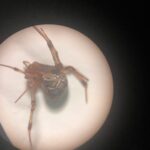 Brown Widow
 (no title)
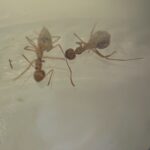 Texas Carpenter Ant
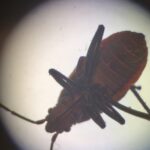 Boxelder Bug (Hemiptera)