Sample information |
|
| Picture |
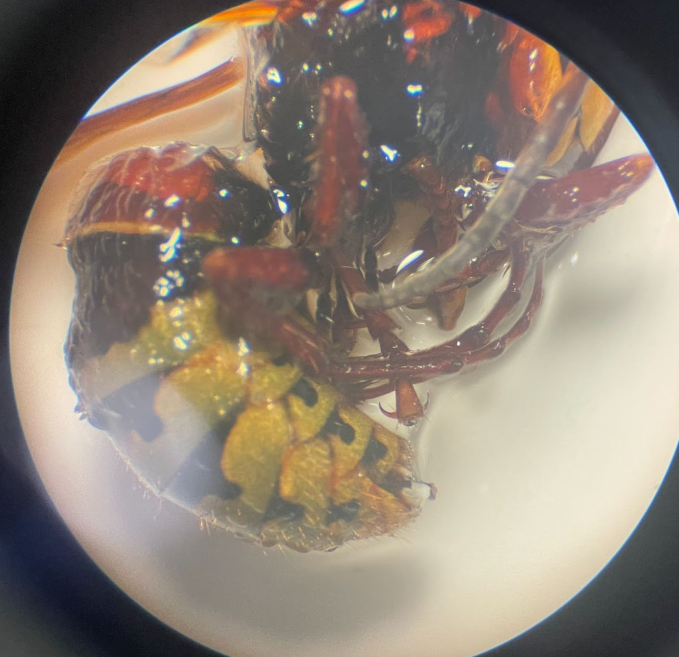
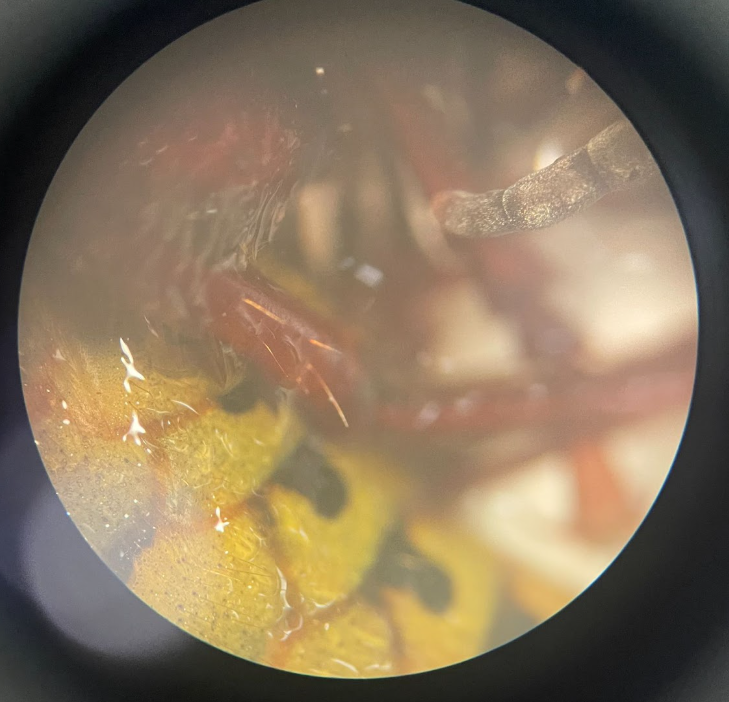
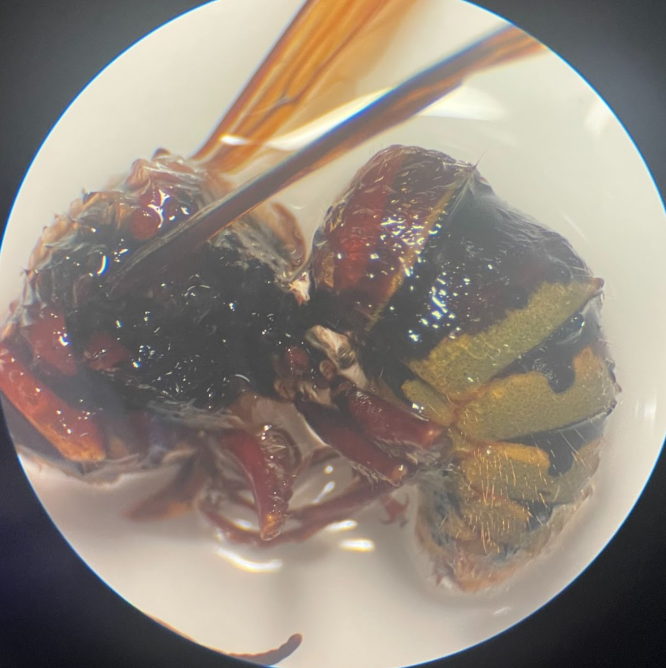
|
|---|---|
| Location | Approximate location: 39.10, -77.16 |
| Collection date | 09/09/2025 |
| Captive / Cultivated? | Wild-caught |
| Group | Edmund Burke School |
| Observations | I caught this hornet in my second floor bathroom. The season was early fall/late summer. The temperature was about 65 degrees F. This is typically a terrestrial organism but was in my home. Color: Black and Yellow, 6 legs, 1 pair of wings, |
| Putative identification | Arthropoda Insecta Hymenoptera |
Methods |
|
| Extraction kit | DNeasy (Qiagen) |
| DNA extraction location | Abdomen |
| Single or Duplex PCR | Single Reaction |
| Gel electrophoresis system | MiniOne |
| Buffer | TBE |
| DNA stain | GelGreen |
| Gel images |
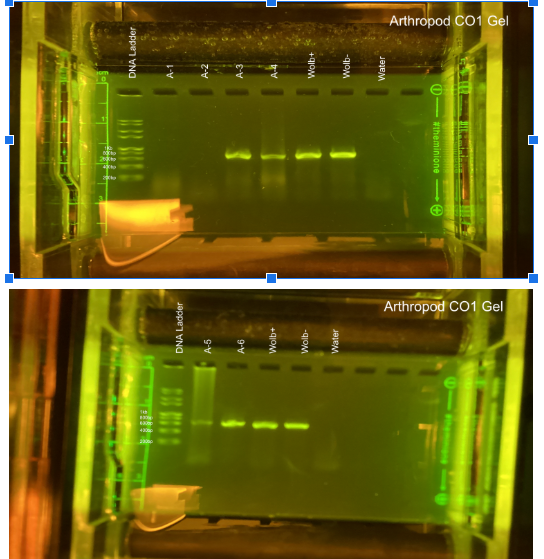
|
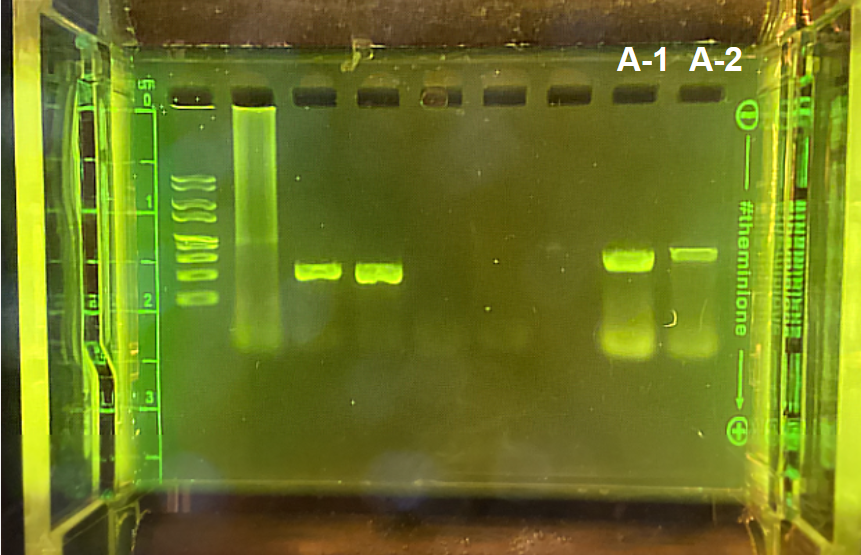
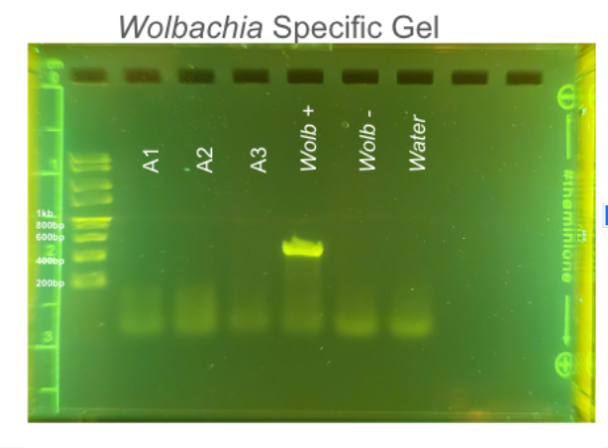
| Protocol notes | PCR DNA was not properly included during this process. This resulted in a blank gel electrophoresis. Gel electrophoresis, Arthropod CO1 Lane one contained DNA Ladder, lane two contained A-1 (the hornet), lane 3 contained A-2, these were the only two that did not show up well. I believe the gel electrophoresis reflected an issue regarding the PCR process, the DNA did not show up well due to a lack of DNA in the PCR. Everything else worked well. Gel electrophoresis, Wolbachia Lane one contained DNA Ladder, lane two contained A-1 (the hornet), lane 3 contained A-2, lane 3 contained A-3, lane 4 contained A-4, lane 5 contained Wolbachia positive DNA, lane 6 contained Wolbachia negative DNA, lane 7 contained water. Each control worked and outside of A-1 and A-2, no mistakes appeared to have been made. |
Results |
|
| Wolbachia presence | No |
| Confidence level | High |
| Explanation of confidence level | I a confident that this arthropod is does not have Wolbachia. My thought process being that this PCR along with A-2 were repeated due to a mistake. Since two processes were made to determine they were negative that boosts my confidence further |
| Wolbachia 16S sequence | |
| Arthropod COI sequence | Download FASTA
Download AB1
|
| Summary | The Hymenoptera was found to be negative for Wolbachia. |
 (no title)
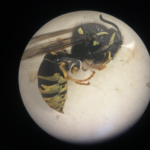 Yellowjacket Wasp
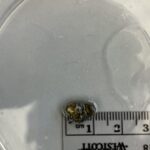 Pillbug
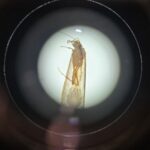 Umpachene Falls Caddisfly
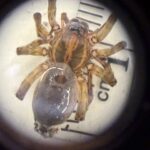 Wolf Spider