Sample information |
|
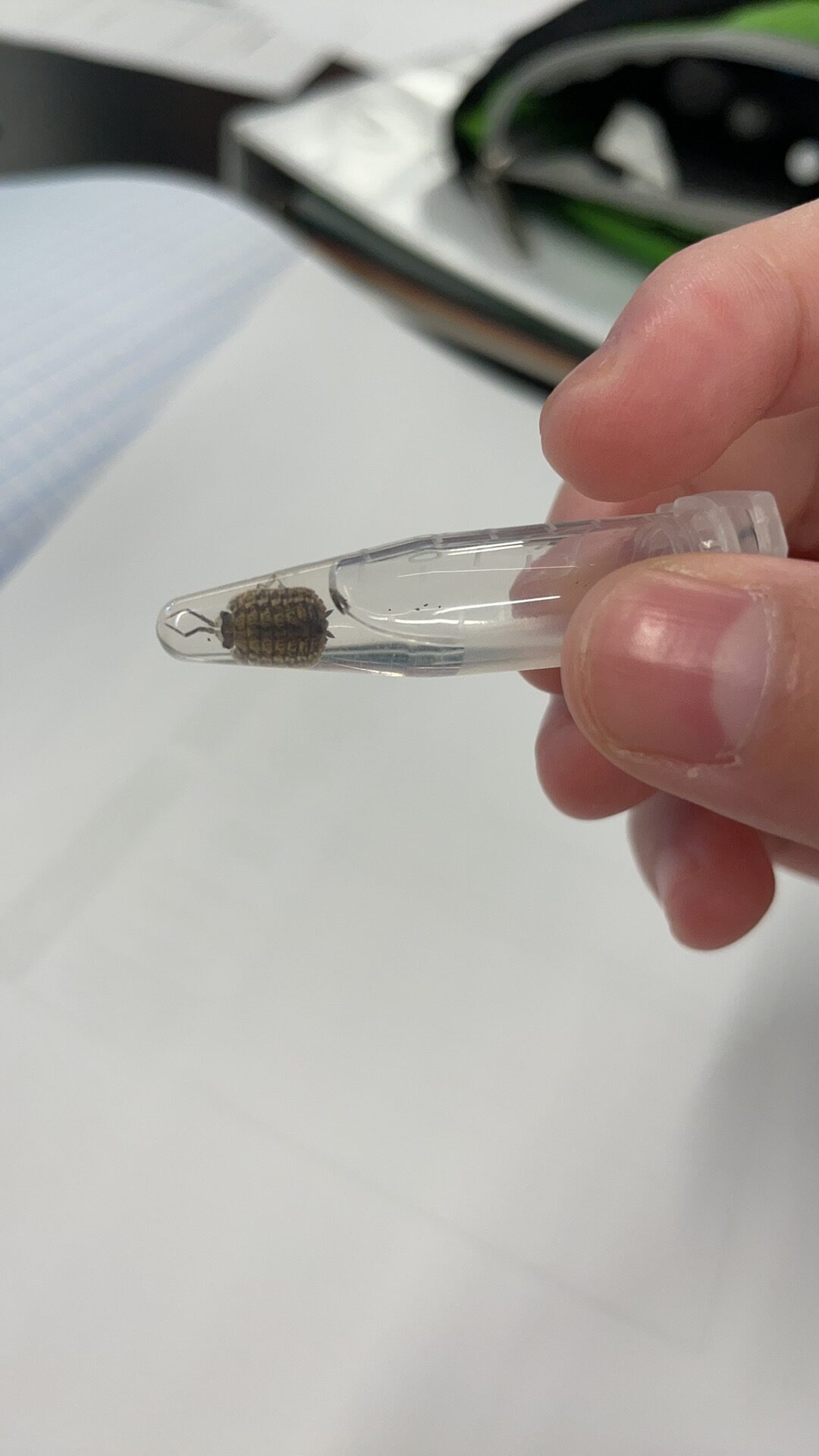
| Picture |
|
|---|---|
| Location | Approximate location: 44.95, -93.09 |
| Collection date | 08/29/2023 |
| Captive / Cultivated? | Wild-caught |
| Group | St. Paul Academy and Summit School |
| Observations |
There were many brickwork woodlouse in the front lawn near a pothole. They had long antennae and a snakeskin-like pattern but with horizontal lines. The weather was about 80 degrees F at the time. |
| Putative identification | Arthropoda Malacostraca Isopoda |
Methods |
|
| Extraction kit | DNeasy (Qiagen) blood and tissue kit |
| DNA extraction location | Abdomen |
| Single or Duplex PCR | |
| Gel electrophoresis system | MiniPCR |
| Buffer | TBE |
| DNA stain | GelGreen |
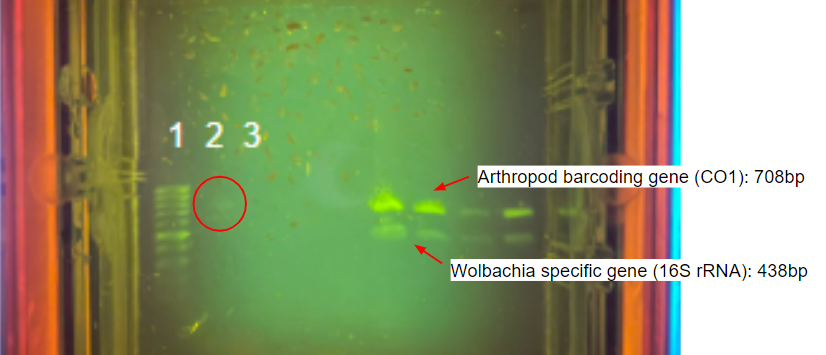
| Gel images |
|
| Protocol notes | Not sure if I dissected the woodlouse correctly, it was small but large enough to still dissect it so I couldn’t properly see the reproductive organs. |
Results |
|
| Wolbachia presence | No |
| Confidence level | Low |
| Explanation of confidence level | A very faint line showed up on the Arthropod PCR after completing gel electrophoresis, but I still think I didn’t get enough DNA from the extraction process, so the arthropod could’ve had Wolbachia, but I didn’t have enough DNA to prove it. |
| Wolbachia 16S sequence | |
| Arthropod COI sequence |
|
| Summary | The Isopoda was found to be negative for Wolbachia. |
 (no title)
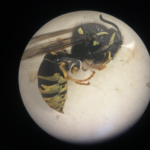 Yellowjacket Wasp
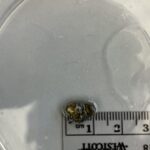 Pillbug
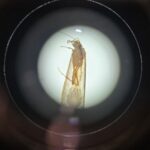 Umpachene Falls Caddisfly
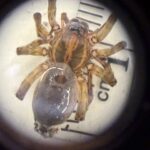 Wolf Spider