Sample information |
|
| Picture |
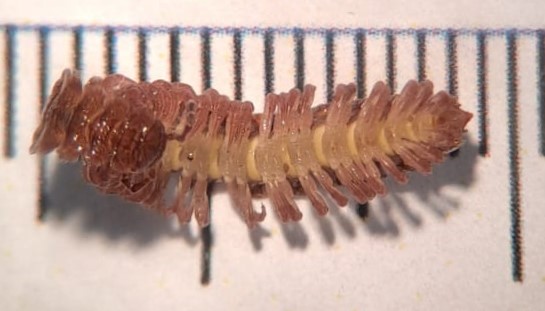
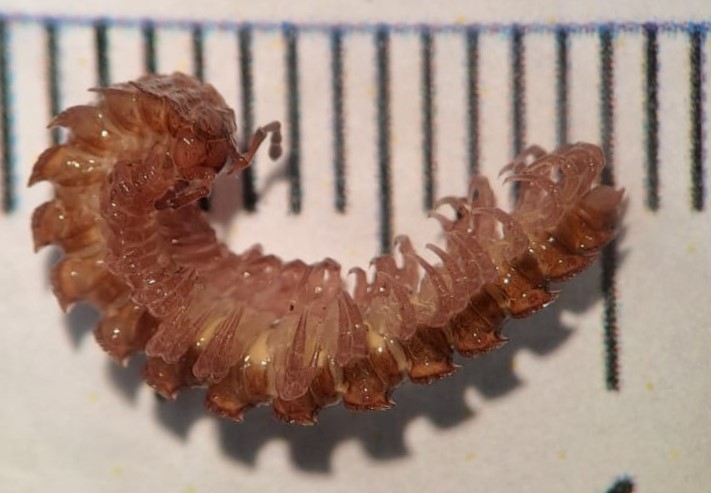
|
|---|---|
| Location | Approximate location: 47.46, 9.02 |
| Collection date | 03/14/2024 |
| Captive / Cultivated? | Wild-caught |
| Group | KantiWil |
| Observations | The extracted probe was found in the bark of dead wood. It was located and selected from approximately three conspecifics. |
| Putative identification | Arthropoda Diplopoda Polydesmida Paradoxosomatidae Oxidus Oxidus gracilis |
Methods |
|
| Extraction kit | Instagene Matrix |
| DNA extraction location | Abdomen |
| Single or Duplex PCR | Duplex Reaction |
| Gel electrophoresis system | Standard electrophoresis system |
| Buffer | TAE |
| DNA stain | SYBR Safe |
| Gel images |
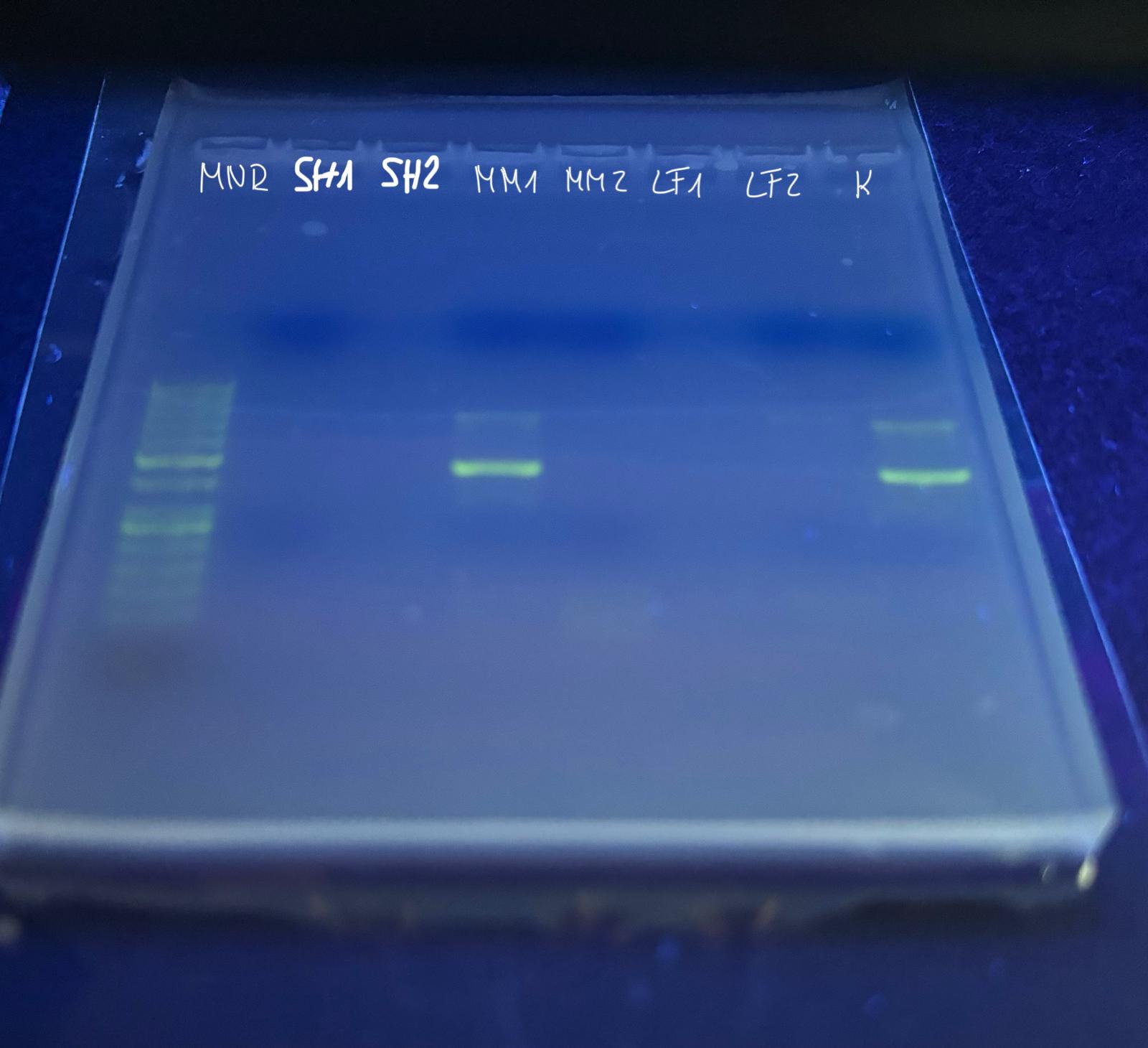
|
| Protocol notes | |
Results |
|
| Wolbachia presence | No |
| Confidence level | High |
| Explanation of confidence level | |
| Wolbachia 16S sequence | |
| Arthropod COI sequence | Download FASTA
Download AB1
|
| Summary | The Oxidus gracilis was found to be negative for Wolbachia. |
 (no title)
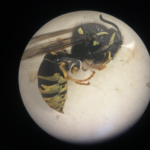 Yellowjacket Wasp
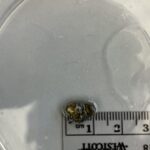 Pillbug
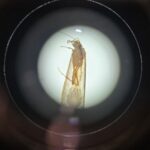 Umpachene Falls Caddisfly
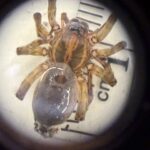 Wolf Spider