Sample information |
|
| Picture |
|
|---|---|
| Location | Approximate location: 37.05, -76.50 |
| Collection date | 04/01/2021 |
| Captive / Cultivated? | Wild-caught |
| Group | Hampton Roads Academy |
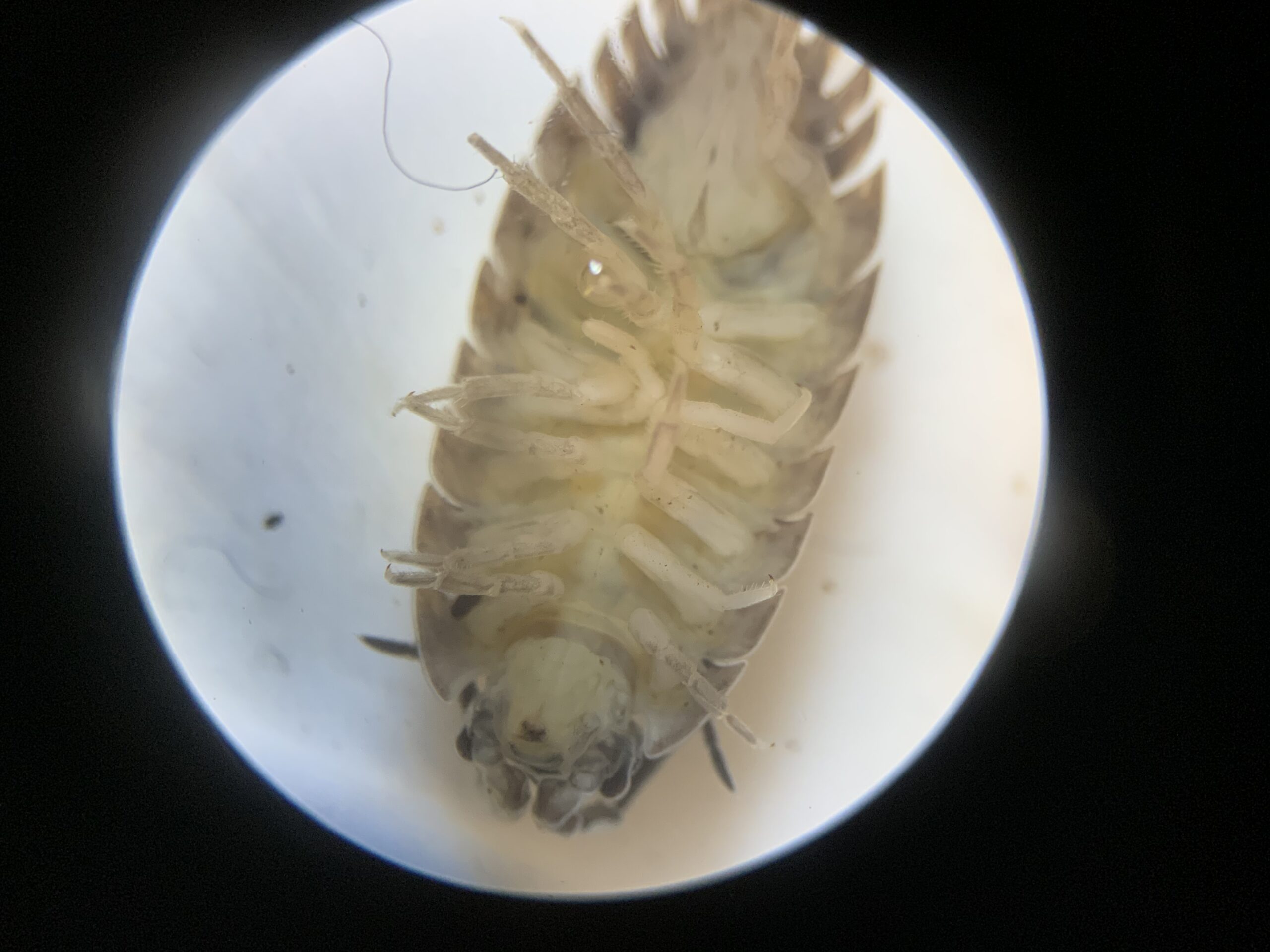
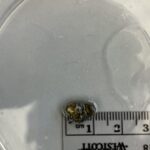
| Observations | My roly-poly had 14 legs, dark bumpy eyes, grooves on its back, antennas, and spots on its back. |
| Putative identification | Arthropoda Malacostraca Isopoda |
Methods |
|
| Extraction kit | Edwards Buffer |
| DNA extraction location | Abdomen |
| Single or Duplex PCR | |
| Gel electrophoresis system | MiniOne |
| Buffer | TBE |
| DNA stain | GelGreen |
| Gel images |
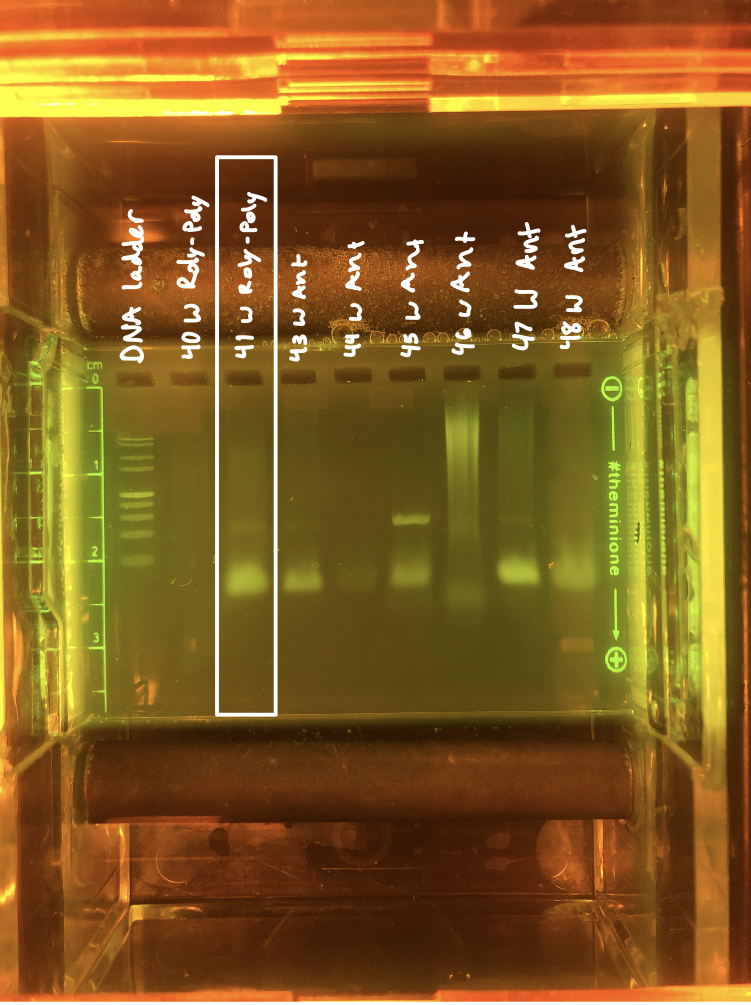
|
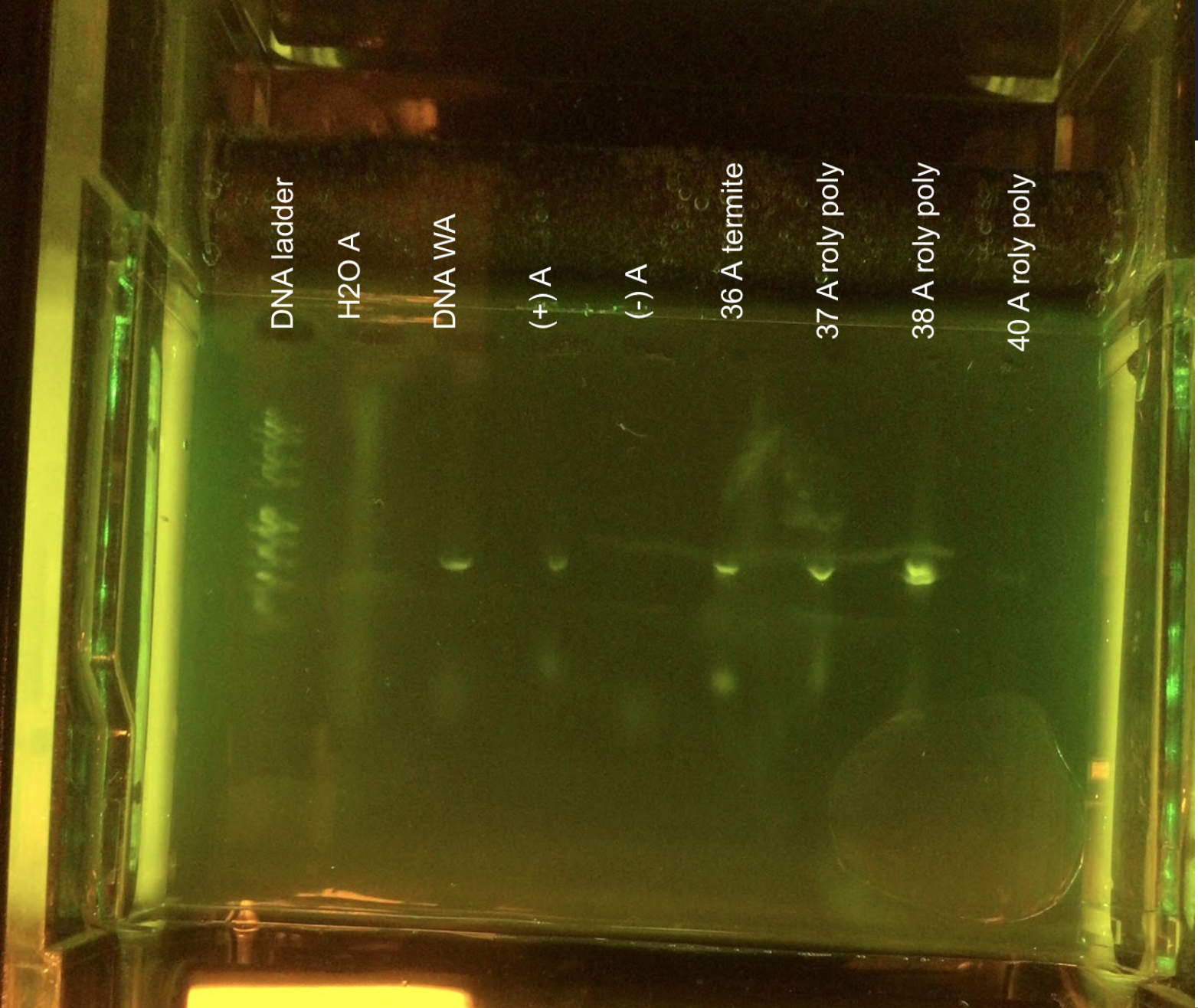
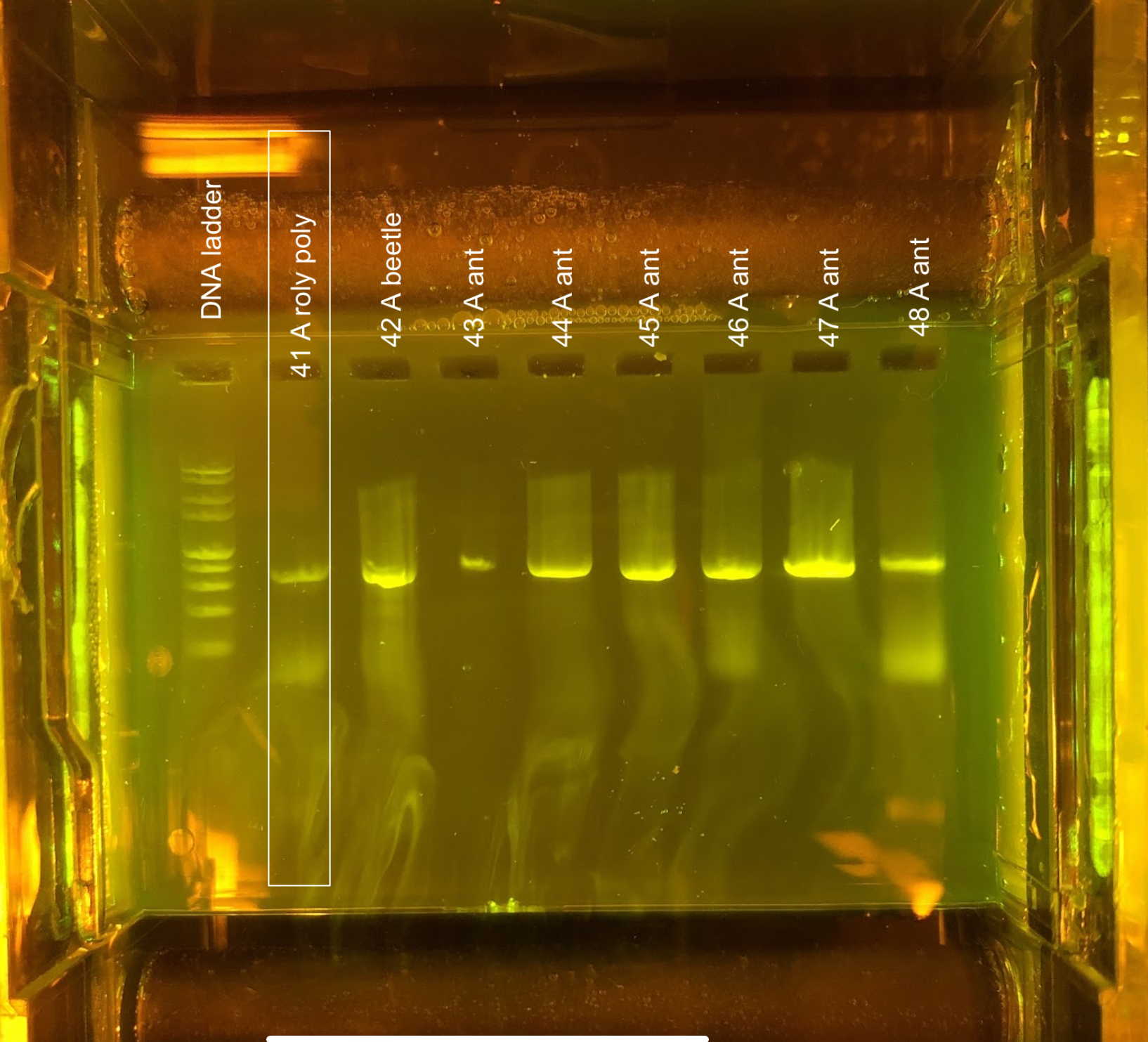
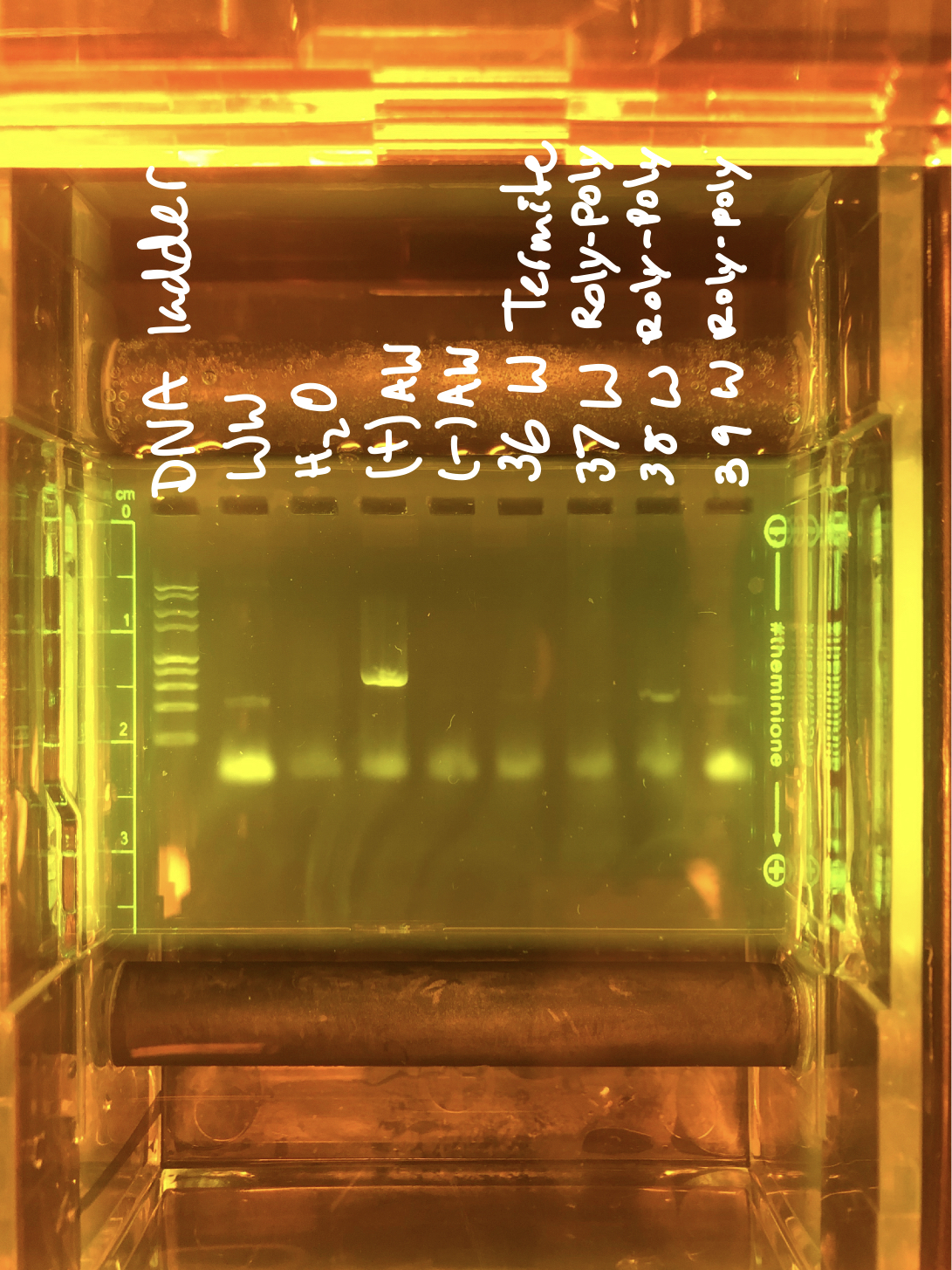
| Protocol notes | During Cell Lysis, when we placed our DNA in the very hot water, my cap popped open, but it didn’t look like anything spilled. The pellet was still inside, so I kept going. Another error I made was that I put double the amount of isopropanol. My pellet was a small speck that looked murky and dark. |
Results |
|
| Wolbachia presence | Yes |
| Confidence level | Medium |
| Explanation of confidence level | First time doing this experiment, not sure about the controls and I’m also unsure if I had an A+ band. |
| Wolbachia 16S sequence | |
| Arthropod COI sequence |
|
| Summary | The Isopoda was found to be postive for Wolbachia. |
 (no title)
 Yellowjacket Wasp
 Pillbug
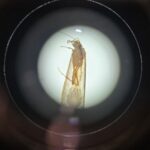 Umpachene Falls Caddisfly
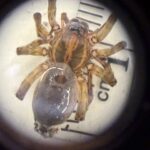 Wolf Spider