Sample information |
|
| Picture |
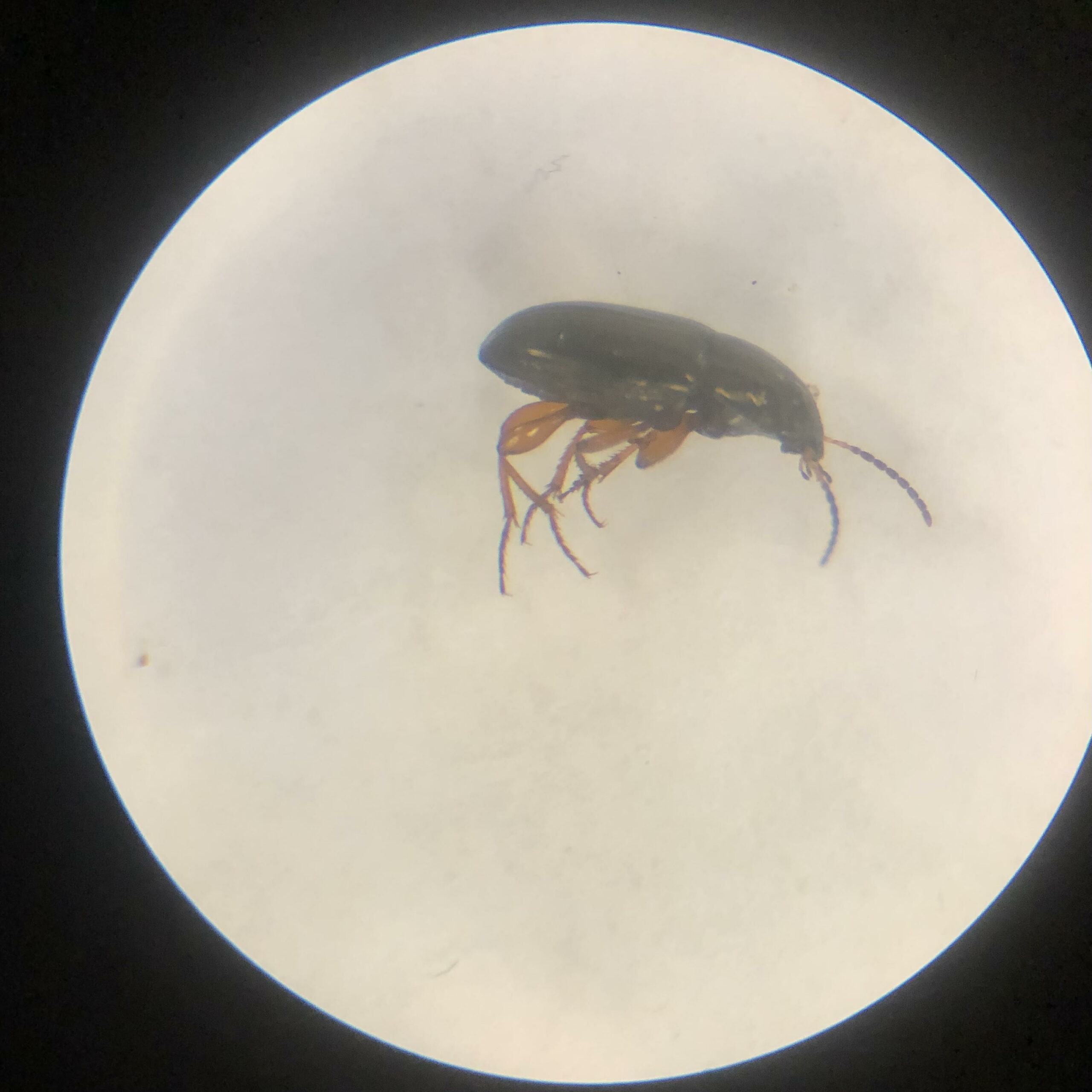
|
|---|---|
| Location | Approximate location: 39.82, -84.90 |
| Collection date | 03/30/2022 |
| Captive / Cultivated? | Wild-caught |
| Group | Richmond High School |
| Observations | It was very fast and tried to run away. It was under a log in the moist dirt. |
| Putative identification | Arthropoda Insecta Coleoptera |
Methods |
|
| Extraction kit | Thermoscientific GeneJet Genomic Purification |
| DNA extraction location | Whole arthropod |
| Single or Duplex PCR | Duplex Reaction |
| Gel electrophoresis system | Edvotek Gel Electrophoresis |
| Buffer | TAE |
| DNA stain | SYBR Safe |
| Gel images |
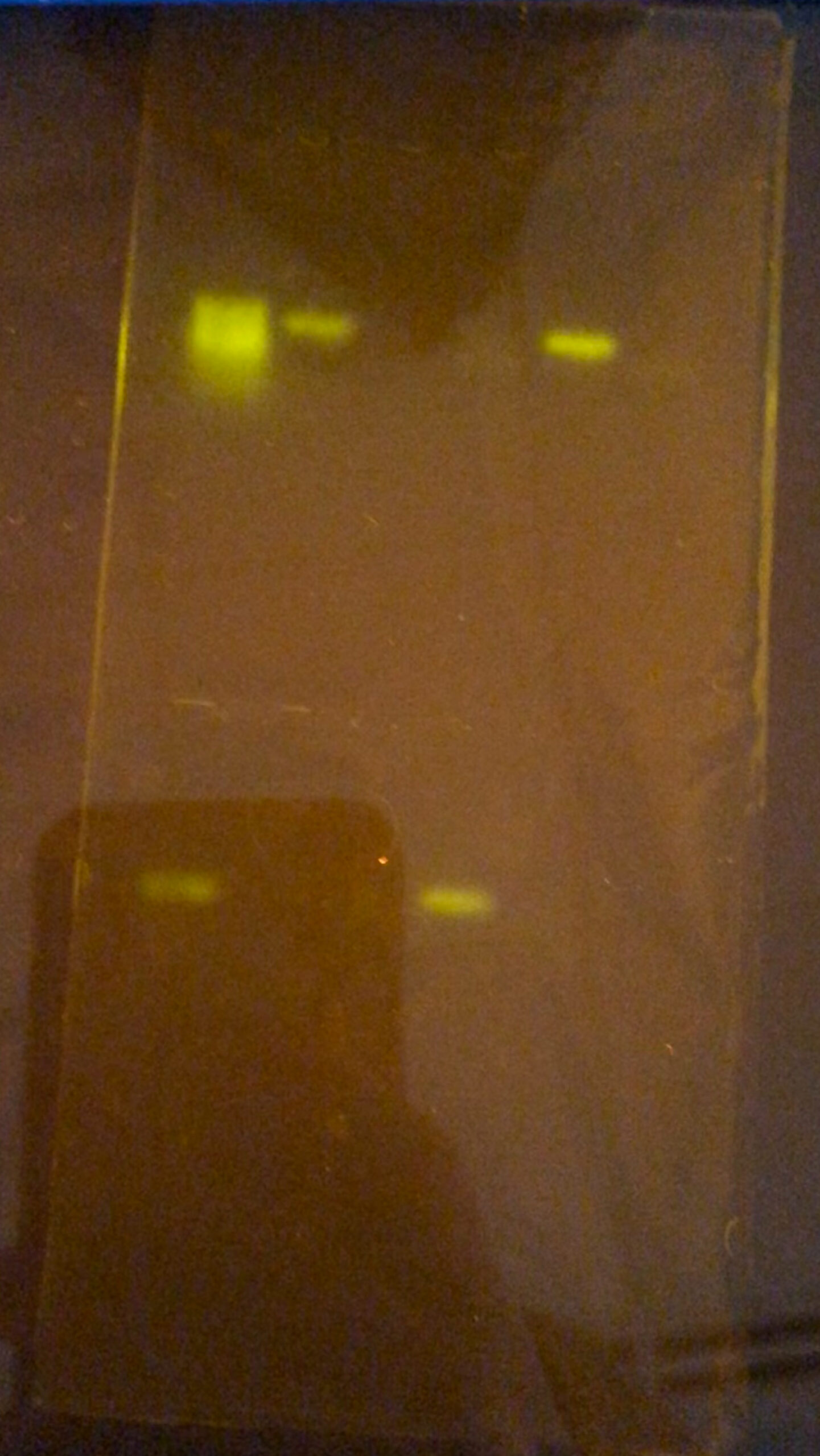
|
| Protocol notes | After adding AW2 buffer and centrifuging, my solution turned pink. |
Results |
|
| Wolbachia presence | No |
| Confidence level | High |
| Explanation of confidence level | I am very confident my insect didn’t have Wolbachia because there wasn’t a second line present when I looked at my electrophoresis results. |
| Wolbachia 16S sequence | |
| Arthropod COI sequence |
|
| Summary | The Coleoptera was found to be negative for Wolbachia. |
 (no title)
 Yellowjacket Wasp
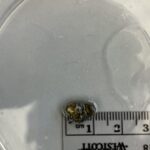 Pillbug
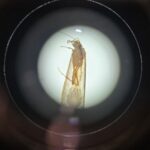 Umpachene Falls Caddisfly
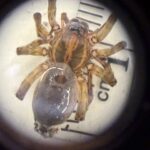 Wolf Spider