Sample information |
|
| Picture |
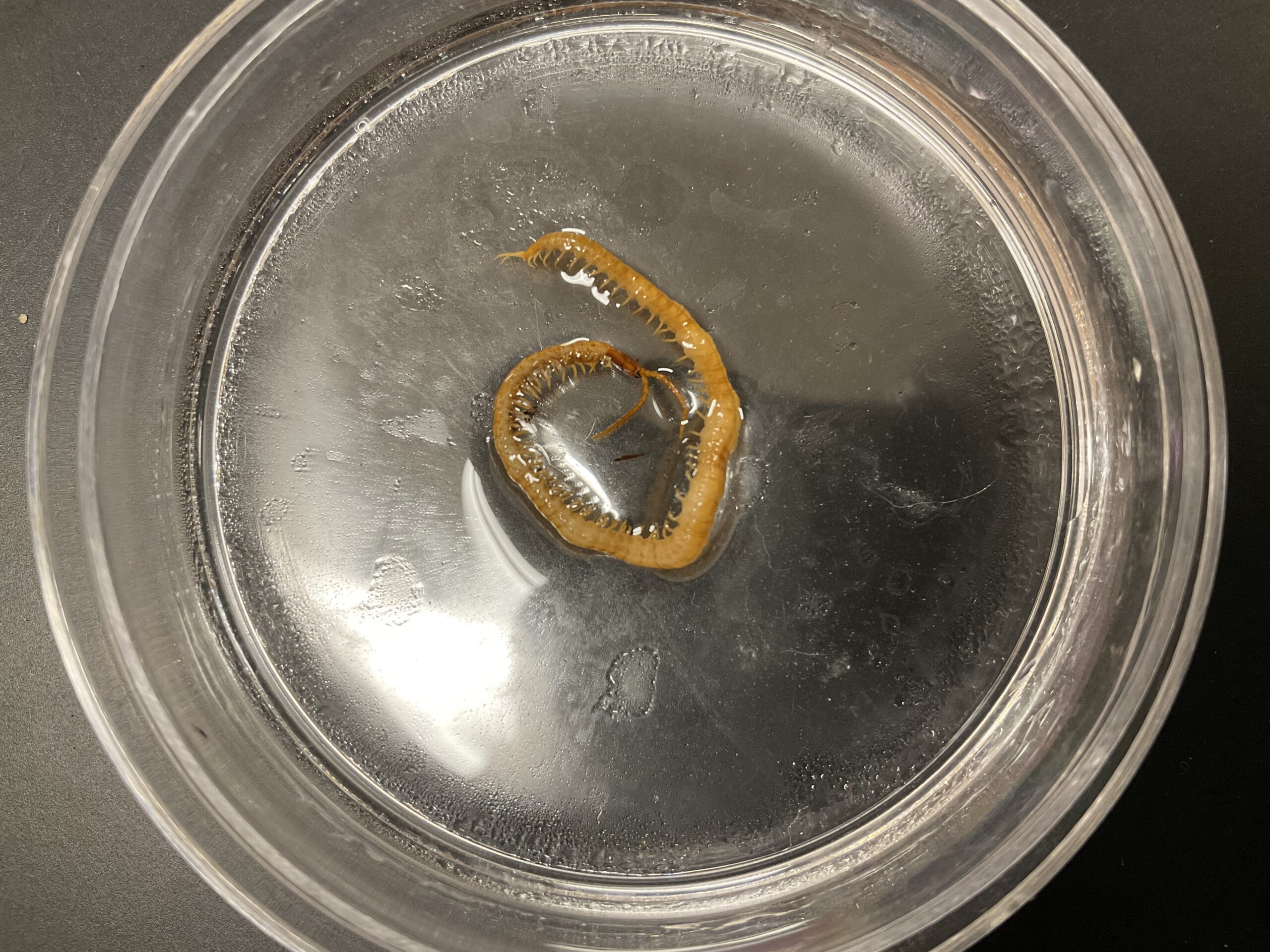
|
|---|---|
| Location | Approximate location: 37.08, -76.24 |
| Collection date | 04/09/2022 |
| Captive / Cultivated? | Wild-caught |
| Group | Hampton Roads Academy |
| Observations | Long, skinny, 118 legs (59 on each side), two antennae, golden-brown/orange/yellow color, moves pretty fast, segmented body (2 legs per segment), back legs are elongated, a little shorter in length than pinky finger. |
| Putative identification | Arthropoda Chilopoda Geophilomorpha |
Methods |
|
| Extraction kit | Edwards Buffer |
| DNA extraction location | Abdomen |
| Single or Duplex PCR | Single Reaction |
| Gel electrophoresis system | MiniOne |
| Buffer | TBE |
| DNA stain | GelGreen |
| Gel images |
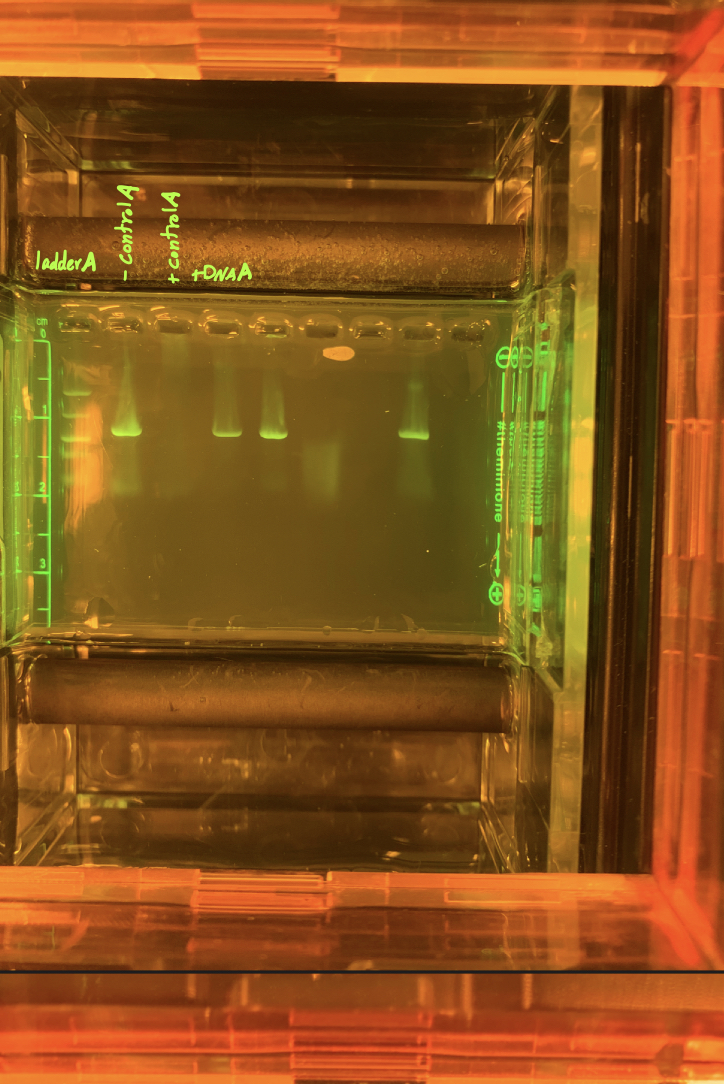
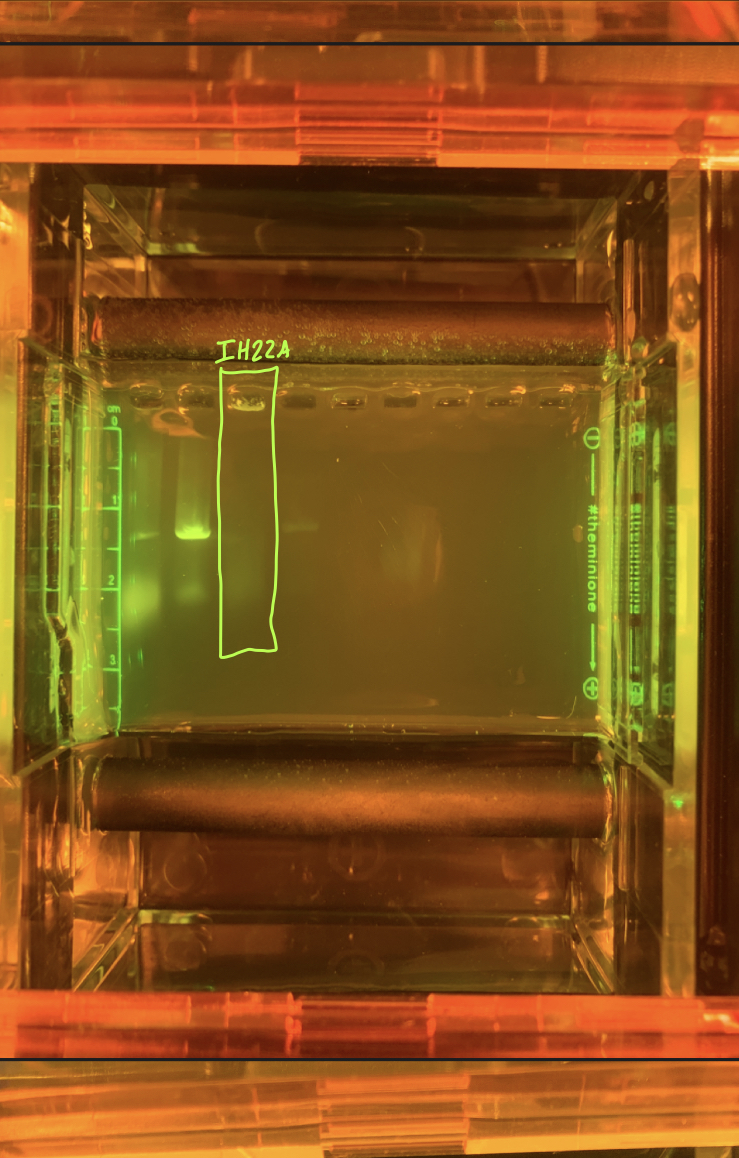
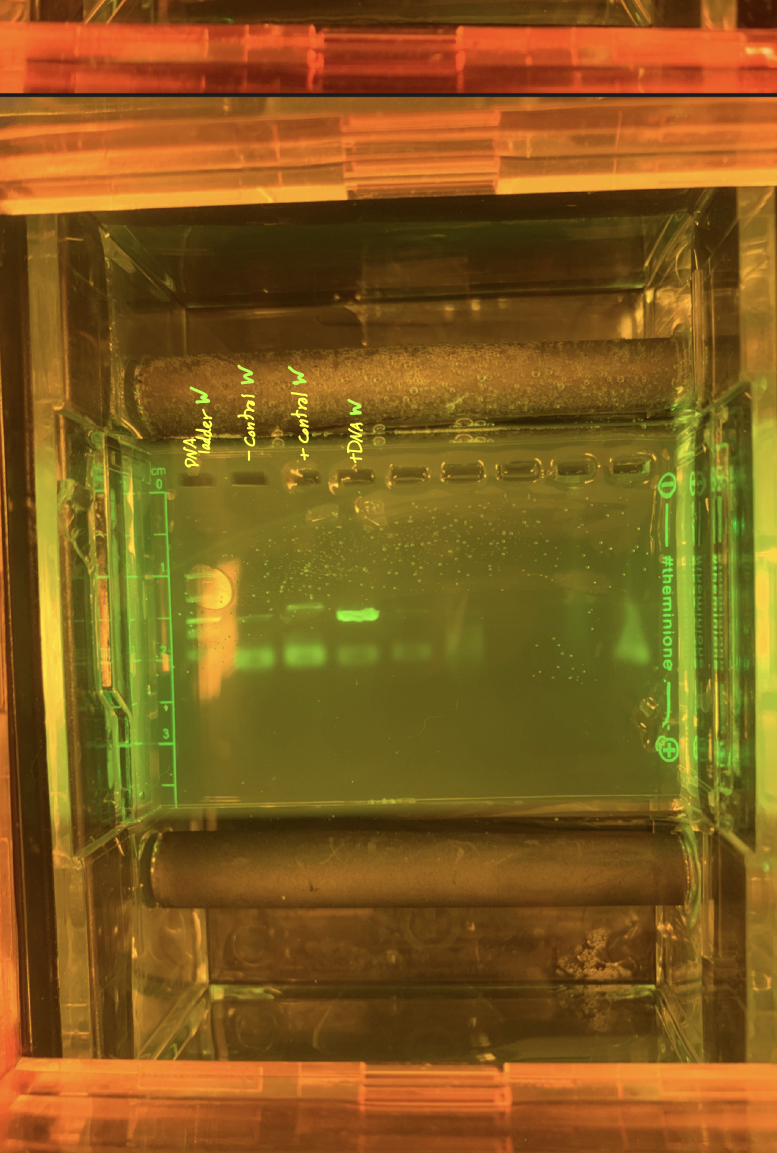
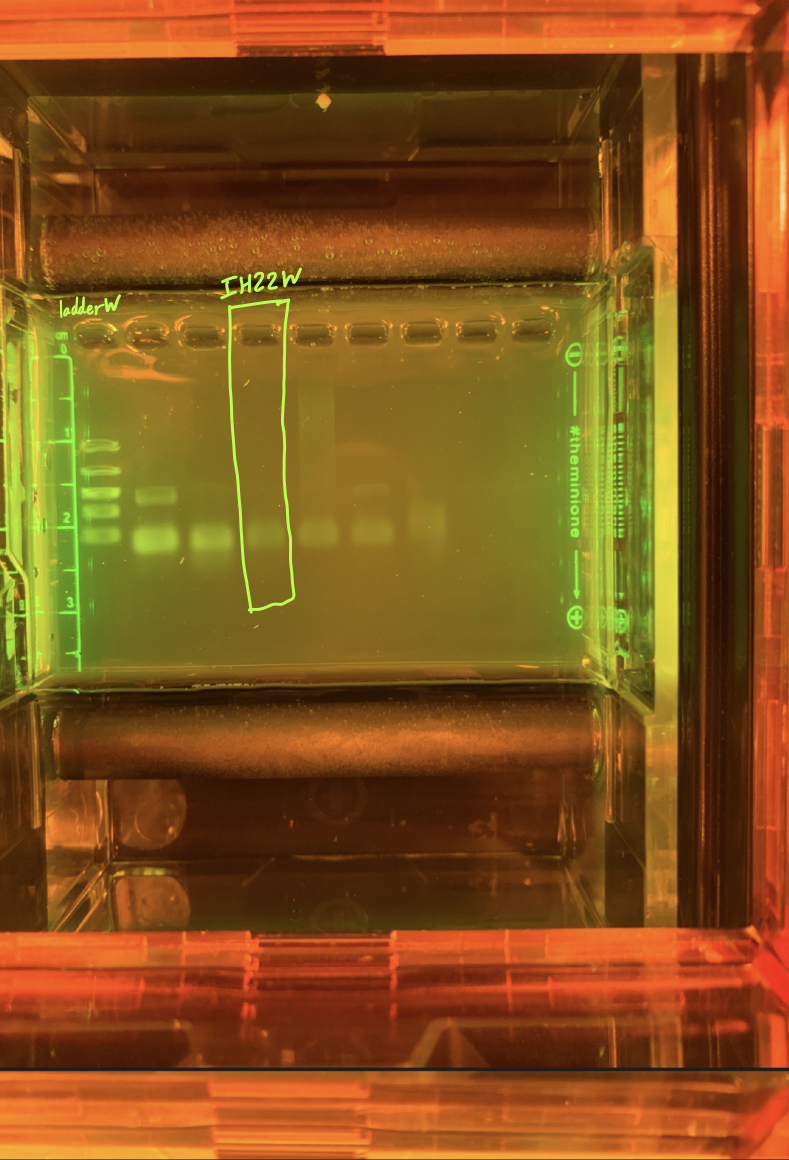
|
| Protocol notes | DNA may not have been extracted correctly, or arthropod may not have been crushed completely. The DNA pellet was a tan-ish color at the bottom of the tube. |
Results |
|
| Wolbachia presence | No |
| Confidence level | Low |
| Explanation of confidence level | The negative control had Wolbachia. |
| Wolbachia 16S sequence | |
| Arthropod COI sequence |
|
| Summary | The Geophilomorpha was found to be negative for Wolbachia. |
 (no title)
 Yellowjacket Wasp
 Pillbug
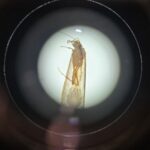 Umpachene Falls Caddisfly
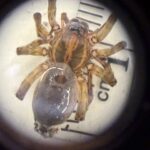 Wolf Spider