Sample information |
|
| Picture |
|
|---|---|
| Location | Approximate location: 37.07, -76.51 |
| Collection date | 04/07/2022 |
| Captive / Cultivated? | Wild-caught |
| Group | Hampton Roads Academy |
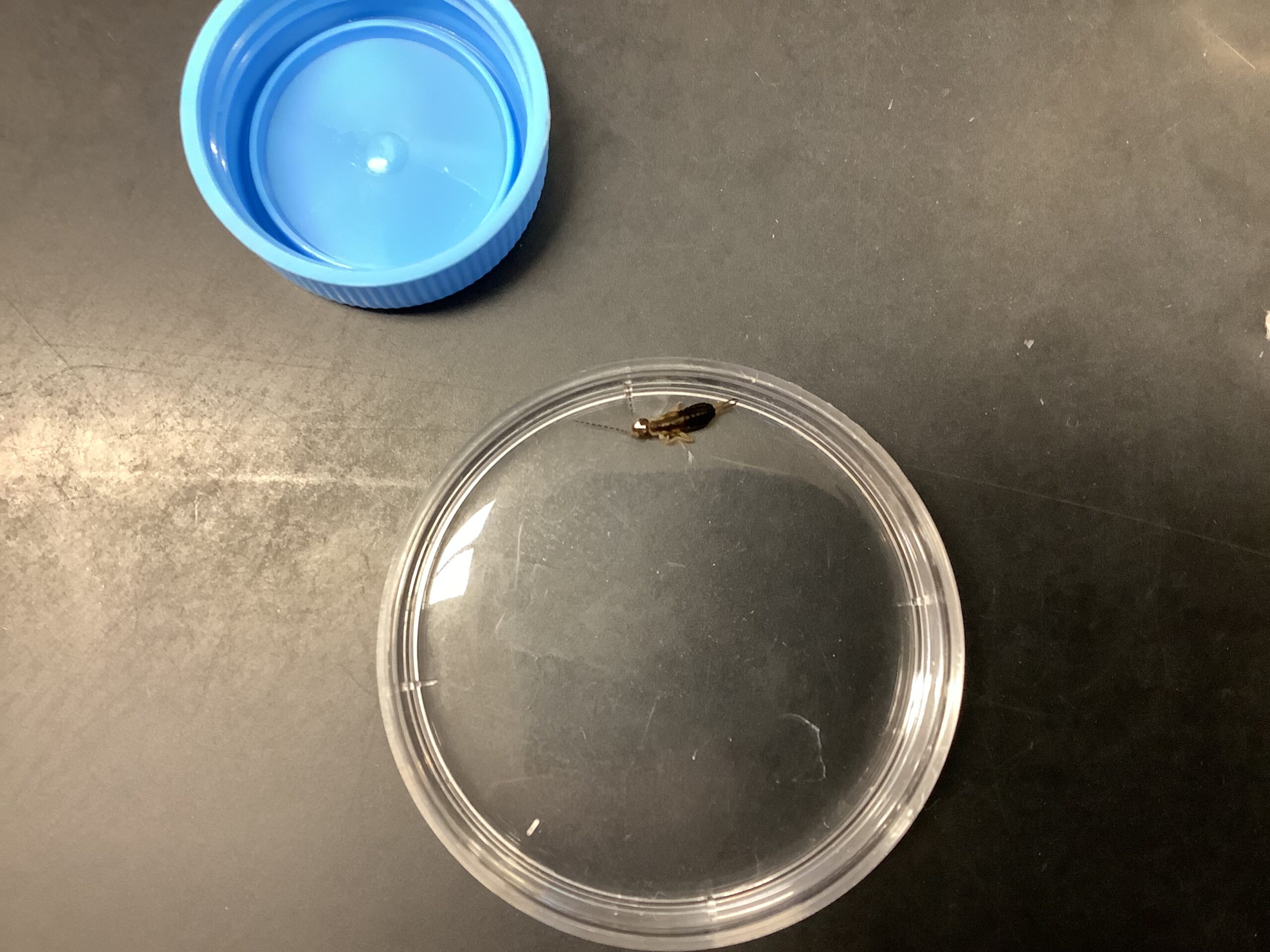
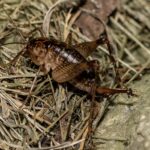
| Observations | The Arthropod was found under a rock, and it was moving slowly. It tried to run when the rock was removed. The bug was six legged with a long body. It had large beaded eyesIt also had long antennae like structures and pincer like structures on the back side. It had a ribbed back, no wings, and three body segments. The coloration was black, brown, and generally dark. |
| Putative identification | Arthropoda Insecta Dermaptera |
Methods |
|
| Extraction kit | Edwards Buffer |
| DNA extraction location | Abdomen |
| Single or Duplex PCR | Single Reaction |
| Gel electrophoresis system | MiniOne |
| Buffer | TBE |
| DNA stain | GelGreen |
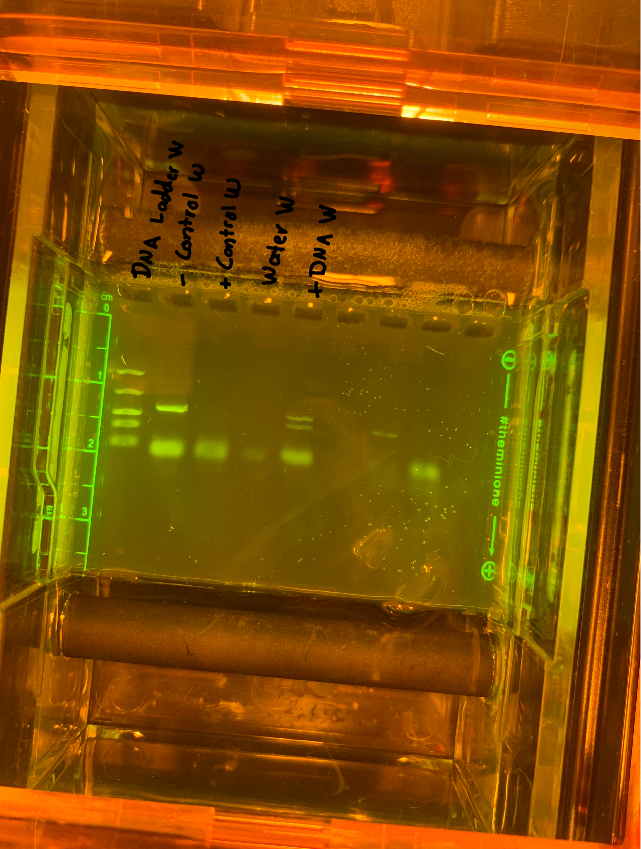
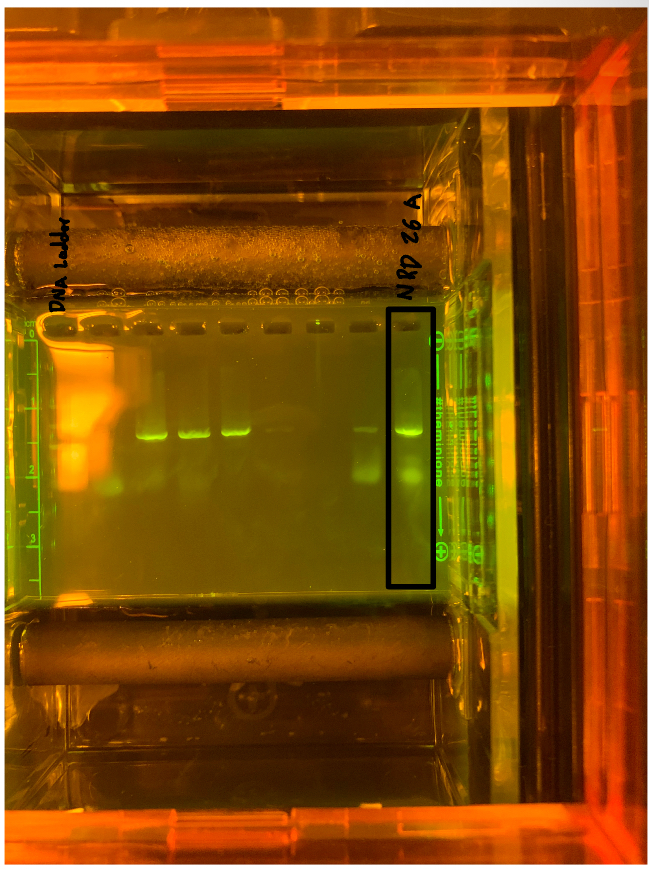
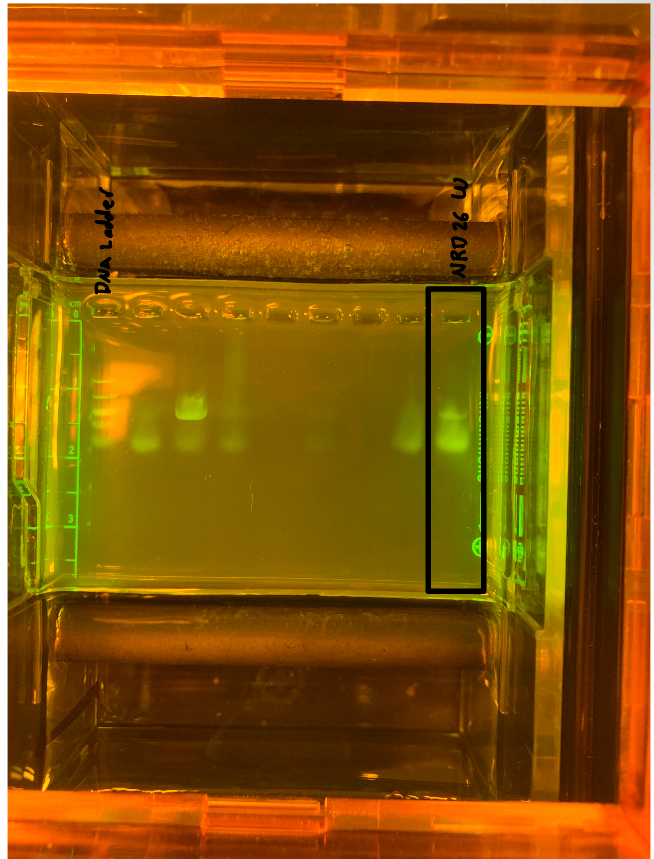
| Gel images |
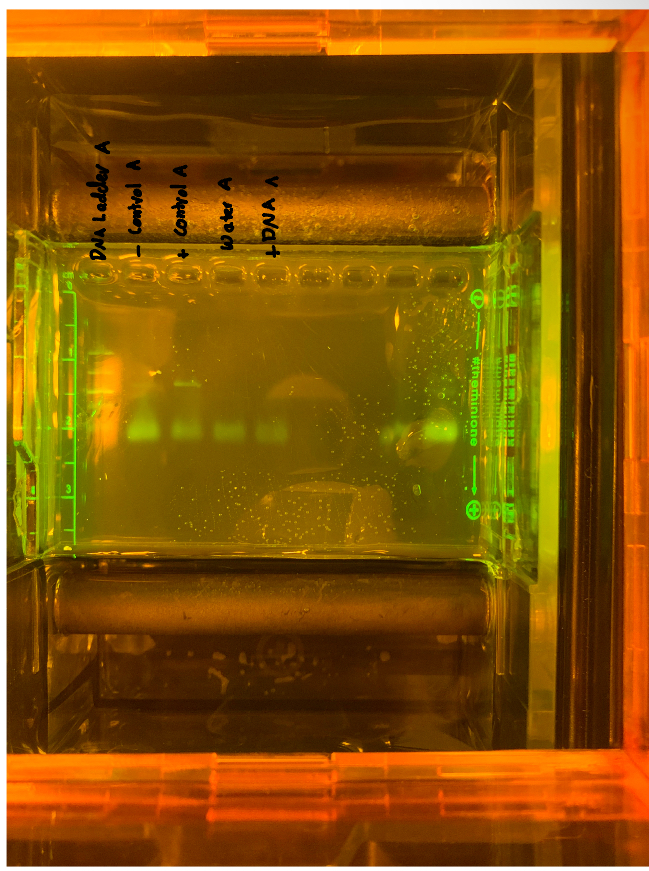
|
| Protocol notes | There were not any mistakes made in the lab that were known of. The only difficulties came from managing the materials properly, but a system was worked out that was effective. |
Results |
|
| Wolbachia presence | Yes |
| Confidence level | Medium |
| Explanation of confidence level | Due to this being the first time we have conducted this experiment, we can not be one hundred percent confident in our results. |
| Wolbachia 16S sequence | |
| Arthropod COI sequence |
|
| Summary | The Dermaptera was found to be postive for Wolbachia. |
 (no title)
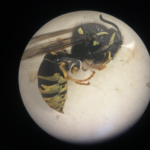 Yellowjacket Wasp
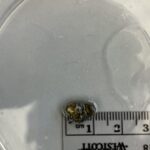 Pillbug
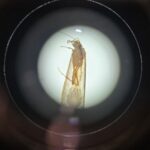 Umpachene Falls Caddisfly
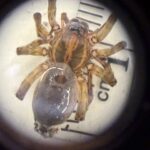 Wolf Spider