Sample information |
|
| Picture |
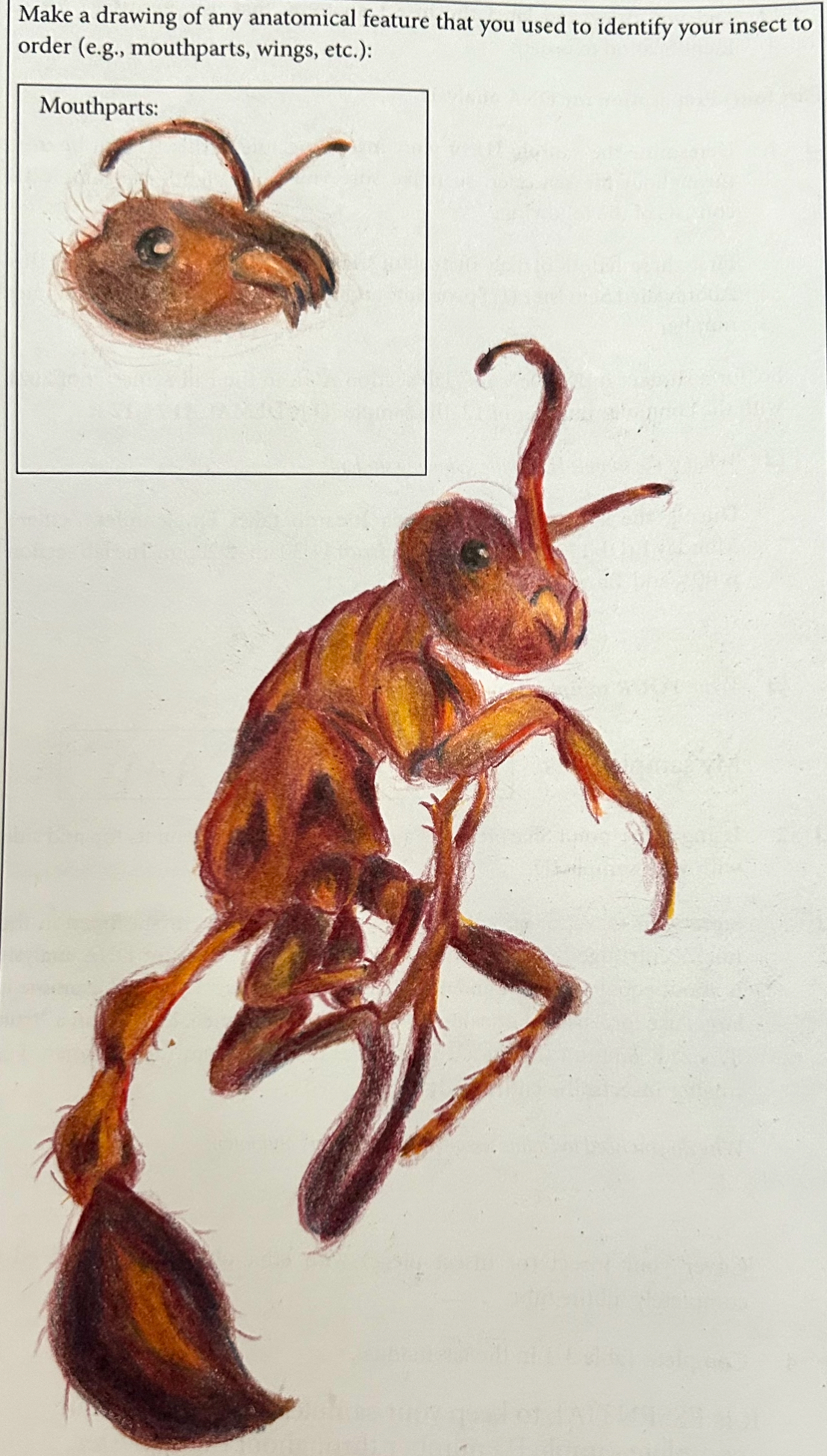
|
|---|---|
| Location | No map location data available. |
| Collection date | 08/28/2024 |
| Captive / Cultivated? | Wild-caught |
| Group | Georgia Southern University |
| Observations |
|
| Putative identification | Arthropoda Insecta Hymenoptera |
Methods |
|
| Extraction kit | |
| DNA extraction location | Whole arthropod |
| Single or Duplex PCR | Single Reaction |
| Gel electrophoresis system | Standard electrophoresis system |
| Buffer | TAE |
| DNA stain | Other |
| Gel images |
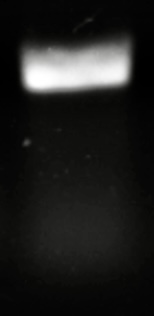
|
| Protocol notes | A DNA extraction kit of in-house reagents was used. |
Results |
|
| Wolbachia presence | No |
| Confidence level | High |
| Explanation of confidence level | Two reasons why I’m so confident in my results is because of the A260/A280 ratio value, and the PCR lab. My insects DNA had a value of 2.28, which means that it is not contaminated with proteins or other bacteria. If it were less than 1.7, cross-contamination would occur, causing multiple bands to appear in my gel image. With PCR, I made sure that I micropipetted the right amount of solutions needed, and asked my instructor and partners questions whenever I was confused with a step, especially the most critical ones (ex. crushing the insects exoskeleton thoroughly in the tube). In addition, Hymenoptera in my local area has the lowest prevalence of Wolbachia (7.3%) out of all the orders. This made the chances of my insect specimen having Wolbachia very low. |
| Wolbachia 16S sequence | |
| Arthropod COI sequence |
|
| Summary | The Hymenoptera was found to be negative for Wolbachia. |
 Millipede
 Brown Widow
 (no title)
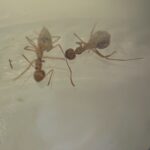 Texas Carpenter Ant
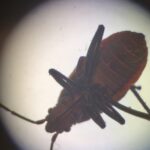 Boxelder Bug (Hemiptera)