Sample information |
|
| Picture |
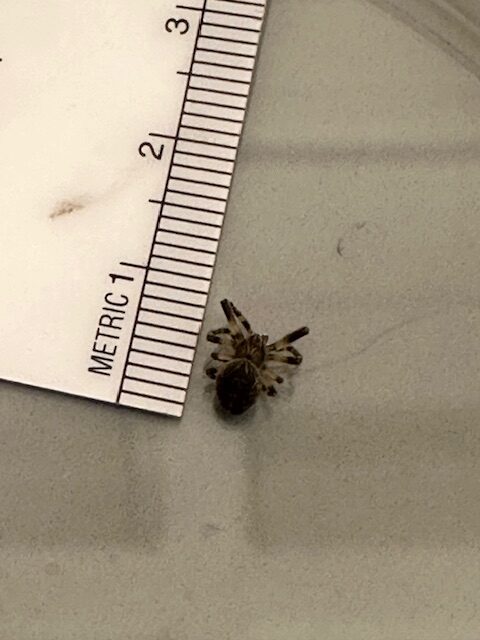
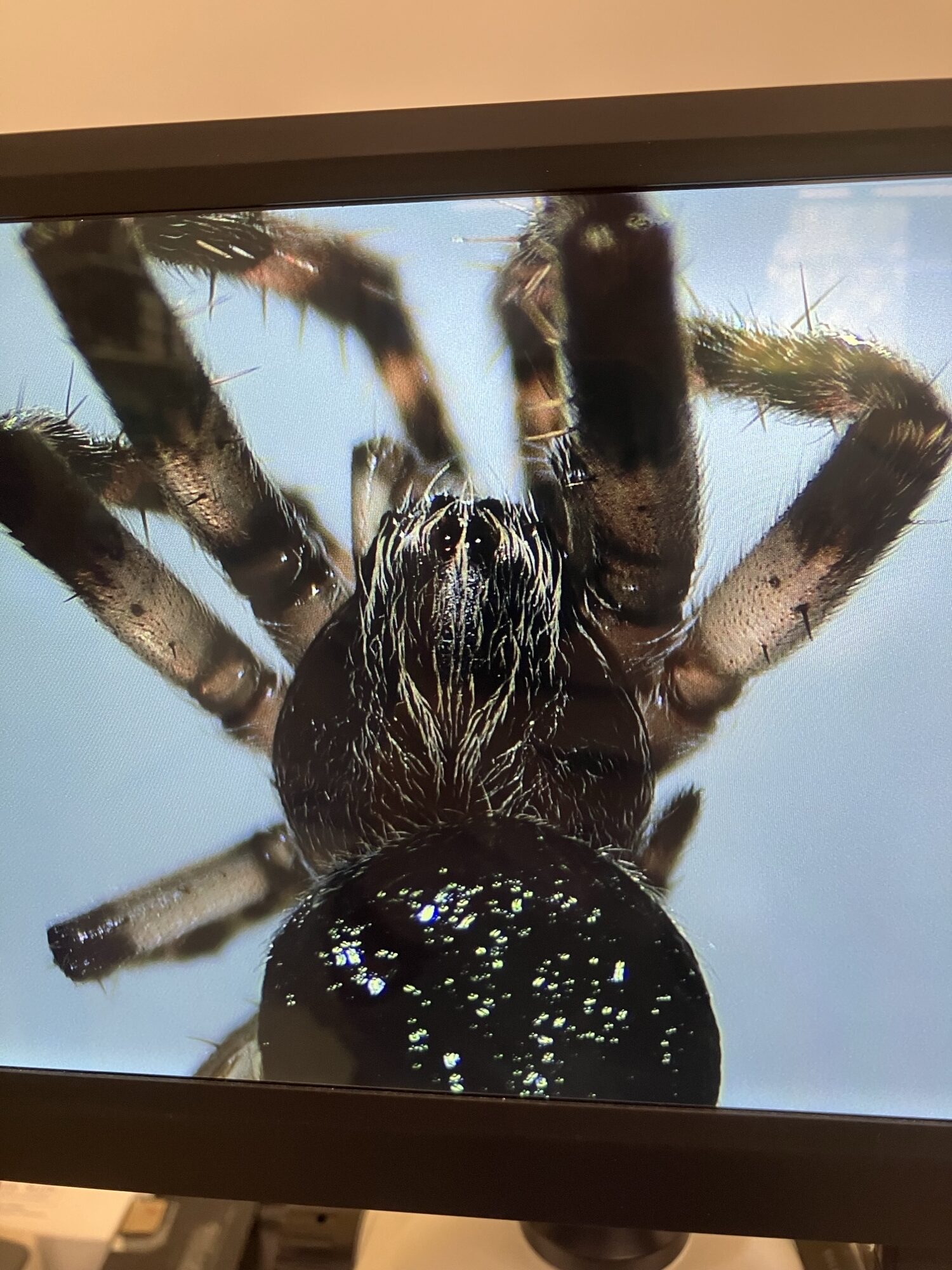
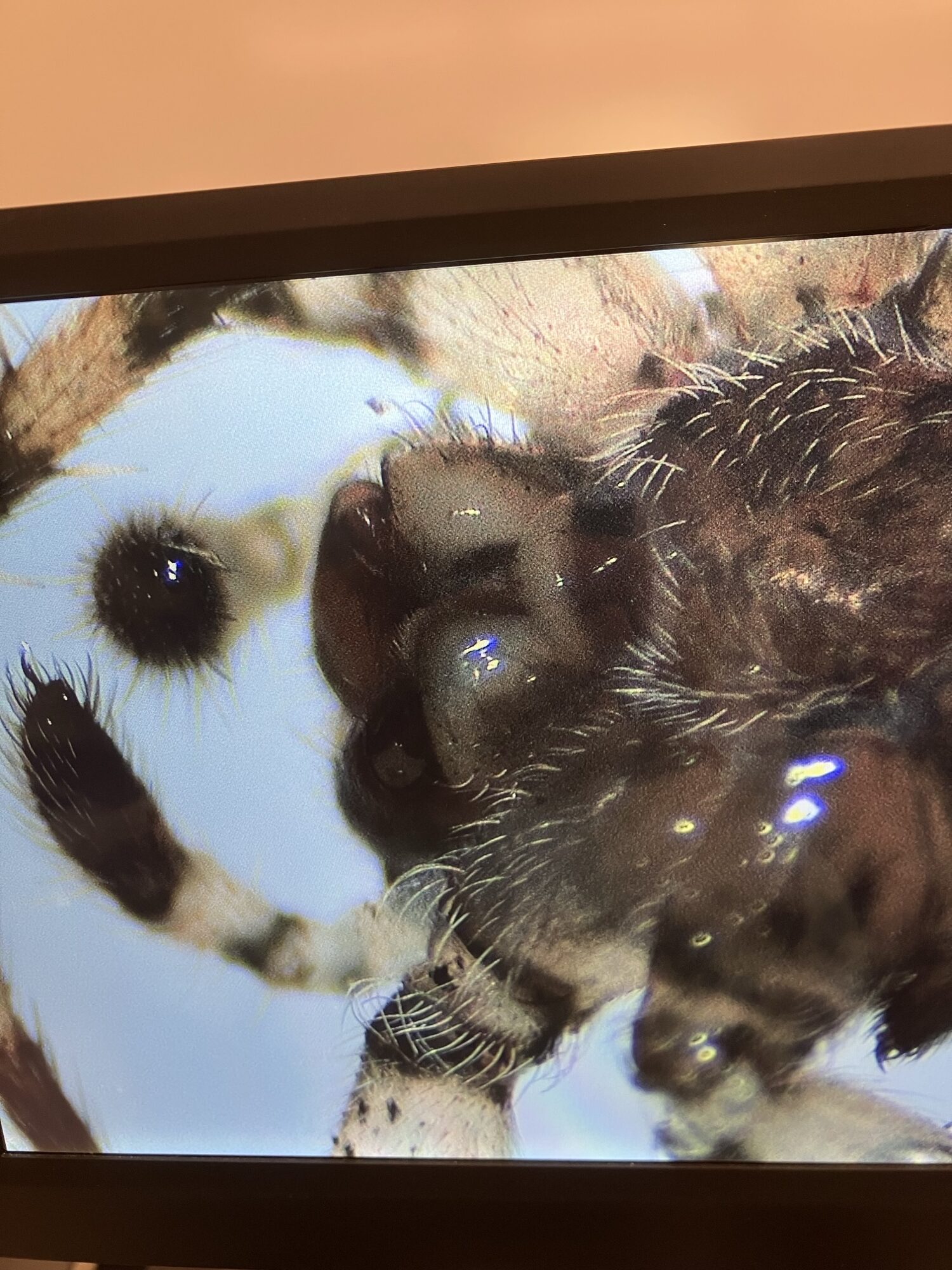
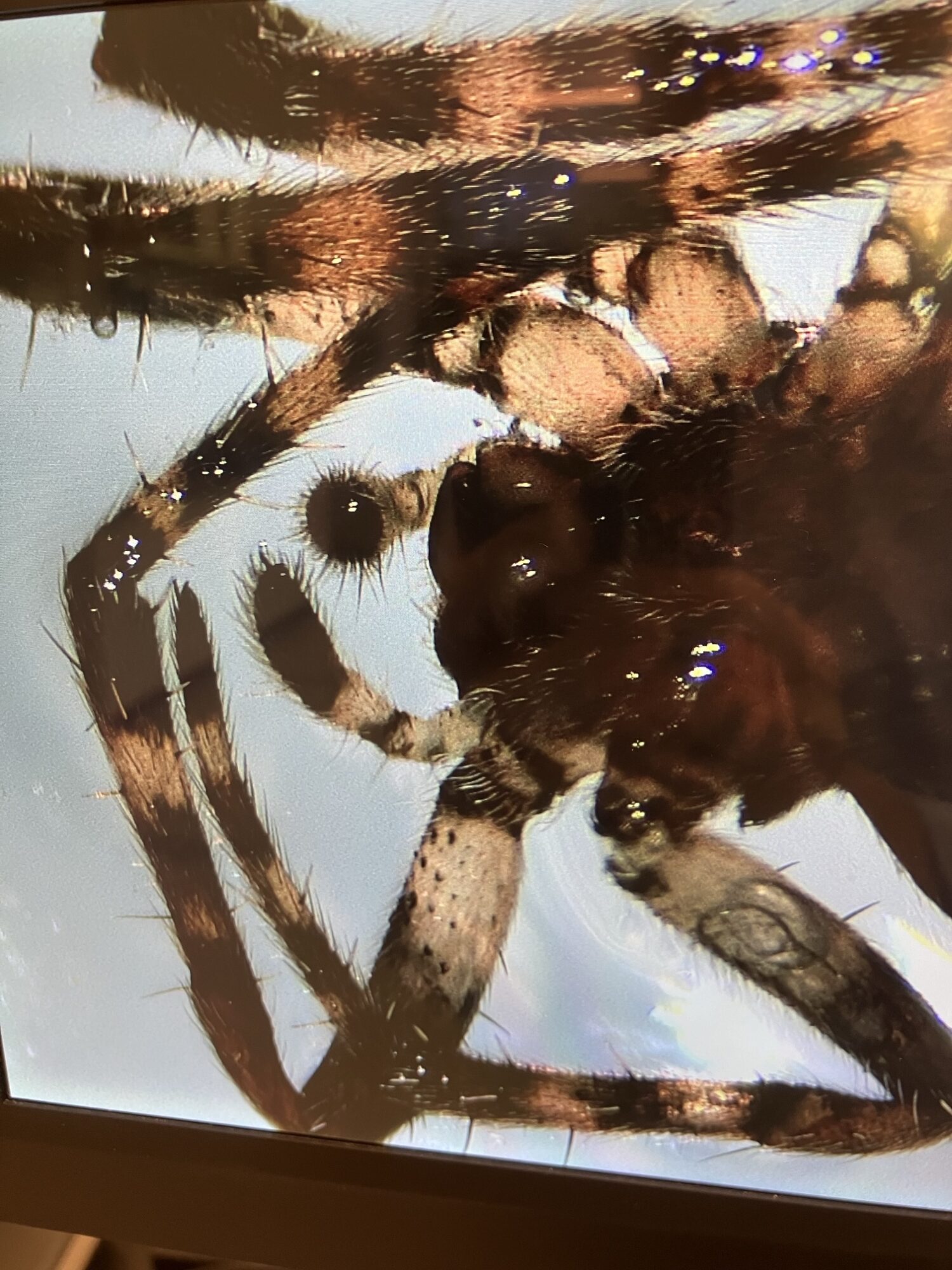
|
|---|---|
| Location | Approximate location: 42.46, -73.30 |
| Collection date | 10/02/2025 |
| Captive / Cultivated? | Wild-caught |
| Group | Berkshire Community College |
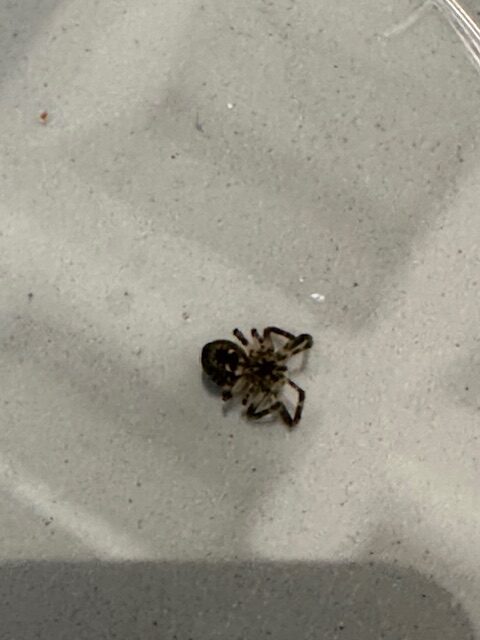
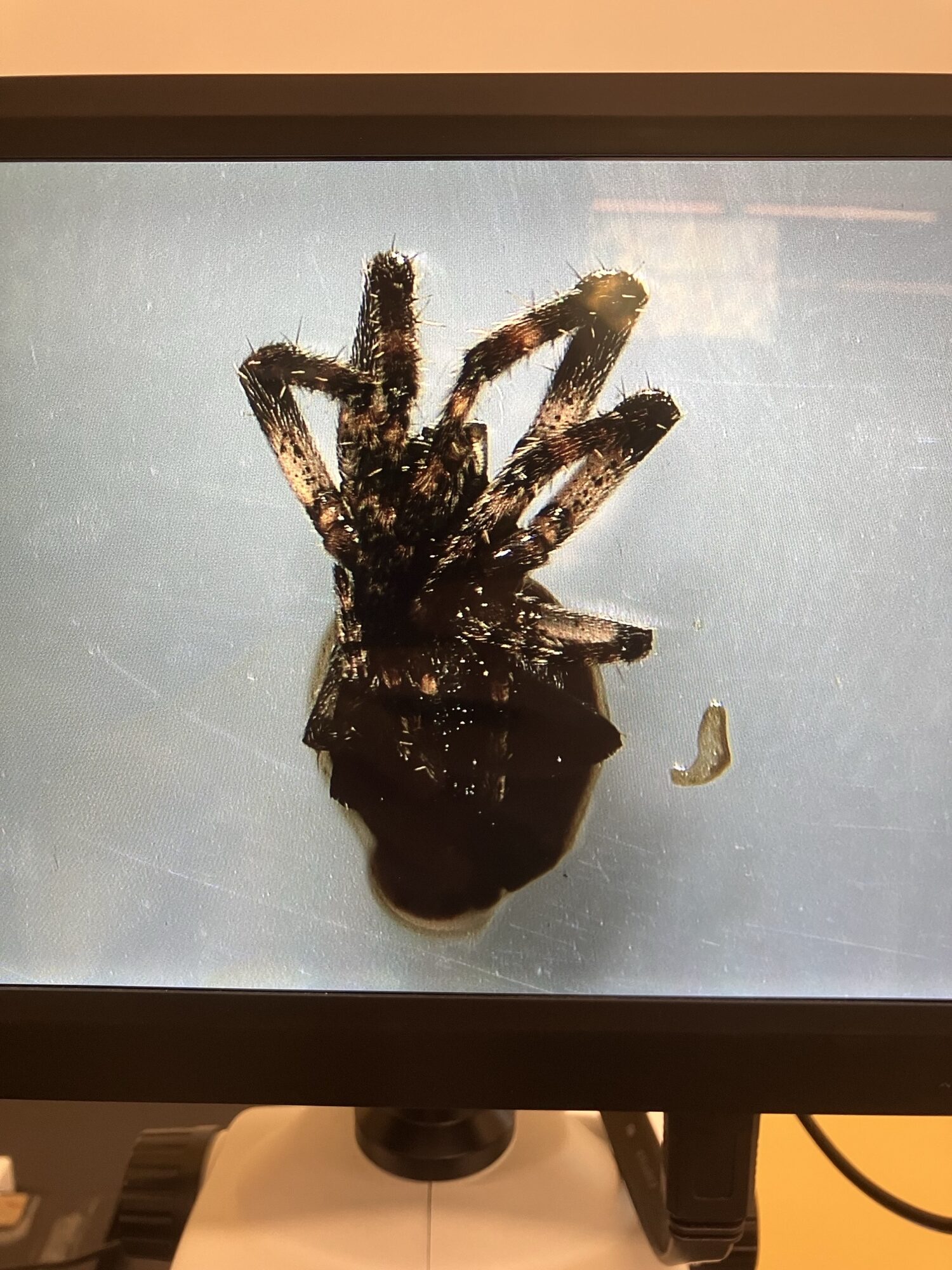
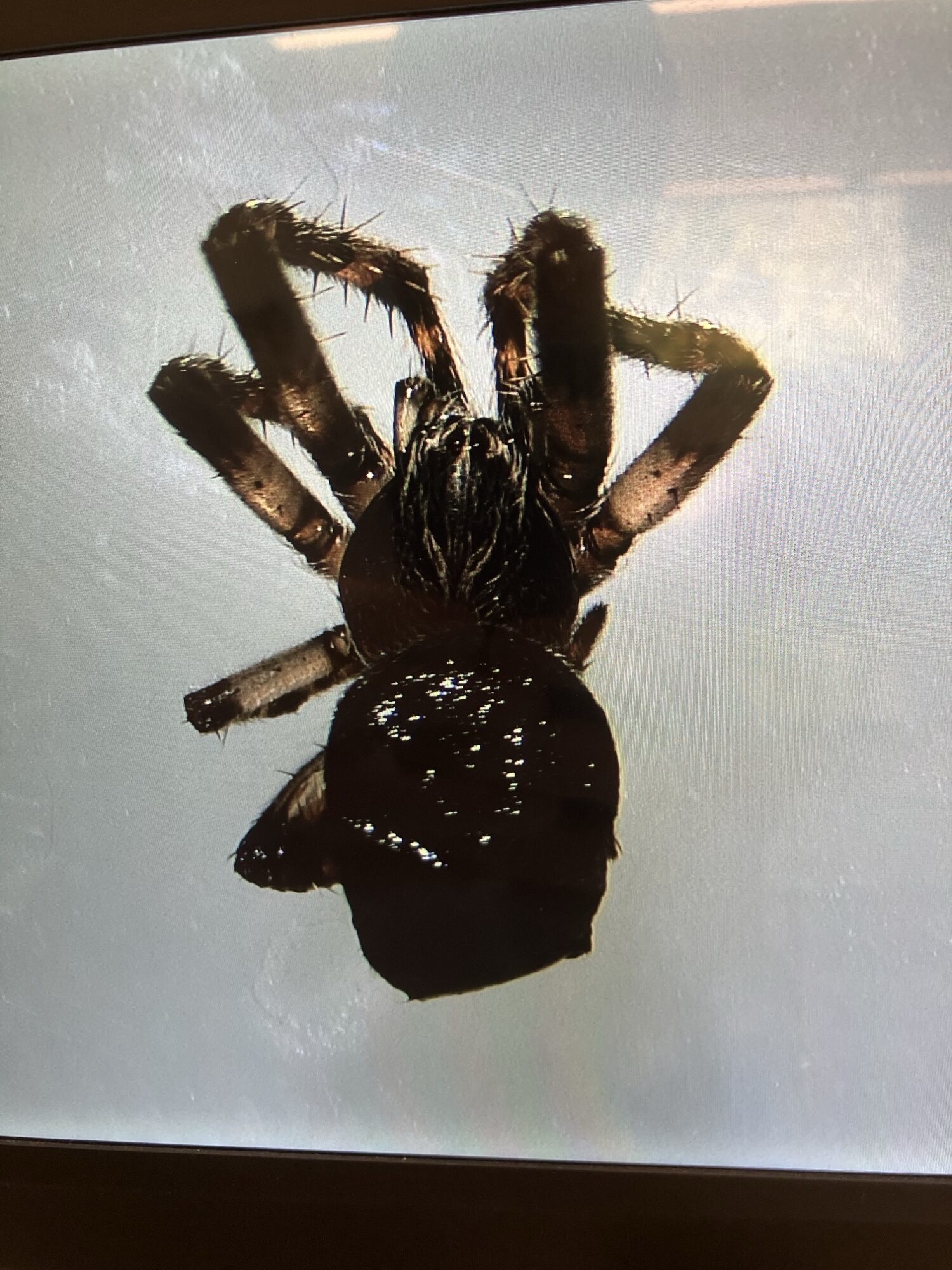
| Observations | I collected the spider, from outside a highly populated apartment complex in downtown Pittsfield. The spider had made its web on my grill in the front yard. I collected it alive, brought it to the lab, and then placed it in a tube with 70% ethanol to preserve cellular/molecular and DNA data. |
| Putative identification | Arthropoda Arachnida Araneae Araneidae Larinioides Larinioides sclopetarius |
Methods |
|
| Extraction kit | Monarch DNA extraction (NEB) |
| DNA extraction location | Abdomen |
| Single or Duplex PCR | Duplex Reaction |
| Gel electrophoresis system | Edvotek Gel Electrophoresis |
| Buffer | 1X TAE |
| DNA stain | SYBR Safe |
| Gel images |
|
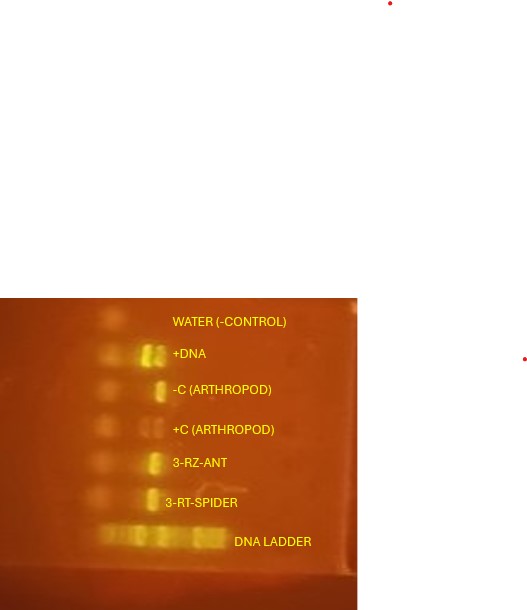
| Protocol notes | Week of 10/7/25 – We used a DNA extraction protocol based on the insect adaptation of New England Biolabs’ Monarch Spin gDNA extraction kit (Product # T3010), using the spider’s abdomen. The specimen was then incubated for 30 minutes in a hot water bath at 56 degrees C. Week of 10/14/25 – Our first PCR reaction was set up on 10/16 and was a duplex reaction because we used both the Arthropod CO1 and Wolbachia 16S primers together. We used an annealing temperature of 49 degrees Celsius. We used Taq polymerase: New England Biolabs One Taq Hot Start Quick-Load 2x Master Mix with Standard Buffer (#M0488S). Week of 10/21/25 – Our first gel image was taken on 10/23/25 and was run at 125 volts with 0.2 current, for 20-30 minutes. We used DNA Ladder: New England Biolabs 1kb Plus DNA Ladder for Safe Stains (product # N0559S). |
Results |
|
| Wolbachia presence | No |
| Confidence level | Medium |
| Explanation of confidence level | I have a medium confidence rating on this Duplex reaction. This is because the Arthropod primer’s annealing temperature differs from that of the Wolbachia’s annealing temp. The Arthropod annealing temperature is 49 degrees Celsius and Wolbachia’s is 55 degrees Celsius. So, although the spider tested negative for Wolbachia in this duplex PCR reaction, it could still have Wolbachia. Next week we will do a single PCR to test for Wolbachia only. I am confident that the Arthropod positive DNA results are highly accurate. As the primer was able to reach it’s optimal annealing temperature and all the controls in the agarose gel validated these results. |
| Wolbachia 16S sequence | |
| Arthropod COI sequence | Download AB1
GTGCTTGGGCTGCTATAGTAGGAACTGCAATGAGAGTGTTAATTCGAATTGAATTAGGTCAACCTGGTAGATTTATAGGGGATGATCAATTATATAATGTTATTGTTACTGCTCATGCTTTTGTGATAATTTTTTTTATAGTAATACCTATTTTAATTGGGGGATTTGGAAATTGATTGGTTCCTTTAATATTAGGAGCACCTGATATGGCTTTTCCTCGAATAAATAATTTAAGATTTTGATTACTCCCCCCGTCATTATTTTTATTGATTGTTTCATCAATGGTGGAAATAGGAGTAGGTGCTGGGTGAACTGTTTATCCTCCTTTAGCAAGGTTAGAAGGTCATGCCGGGAGGTCAGTTGATTTTGCTATTTTTTCATTACATTTAGCTGGGGCGTCATCAATTATAGGTGCTATTAATTTTATTTCAACAATTATTAATATACGTTTTTATGGAATAACCATGGAAAAAGTTCCATTATTTGTATGATCAGTACTAATTACTGCTGTATTATTACTTCTTTCGTTACCAGTATTAGCTGGGGCTATTACAATATTATTAACAAATCGAAATTTTAATACATCTTTTTTTGACCCTTCTGGTGGGGGAGACCCAATTTTGTTTCAACACTTA
BLAST at The Wolbachia Project BLAST at NCBI
|
| Summary | The Larinioides sclopetarius was found to be negative for Wolbachia. |
 Millipede
 Brown Widow
 (no title)
 Texas Carpenter Ant
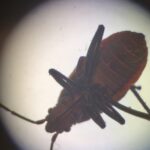 Boxelder Bug (Hemiptera)