Sample information |
|
| Picture |
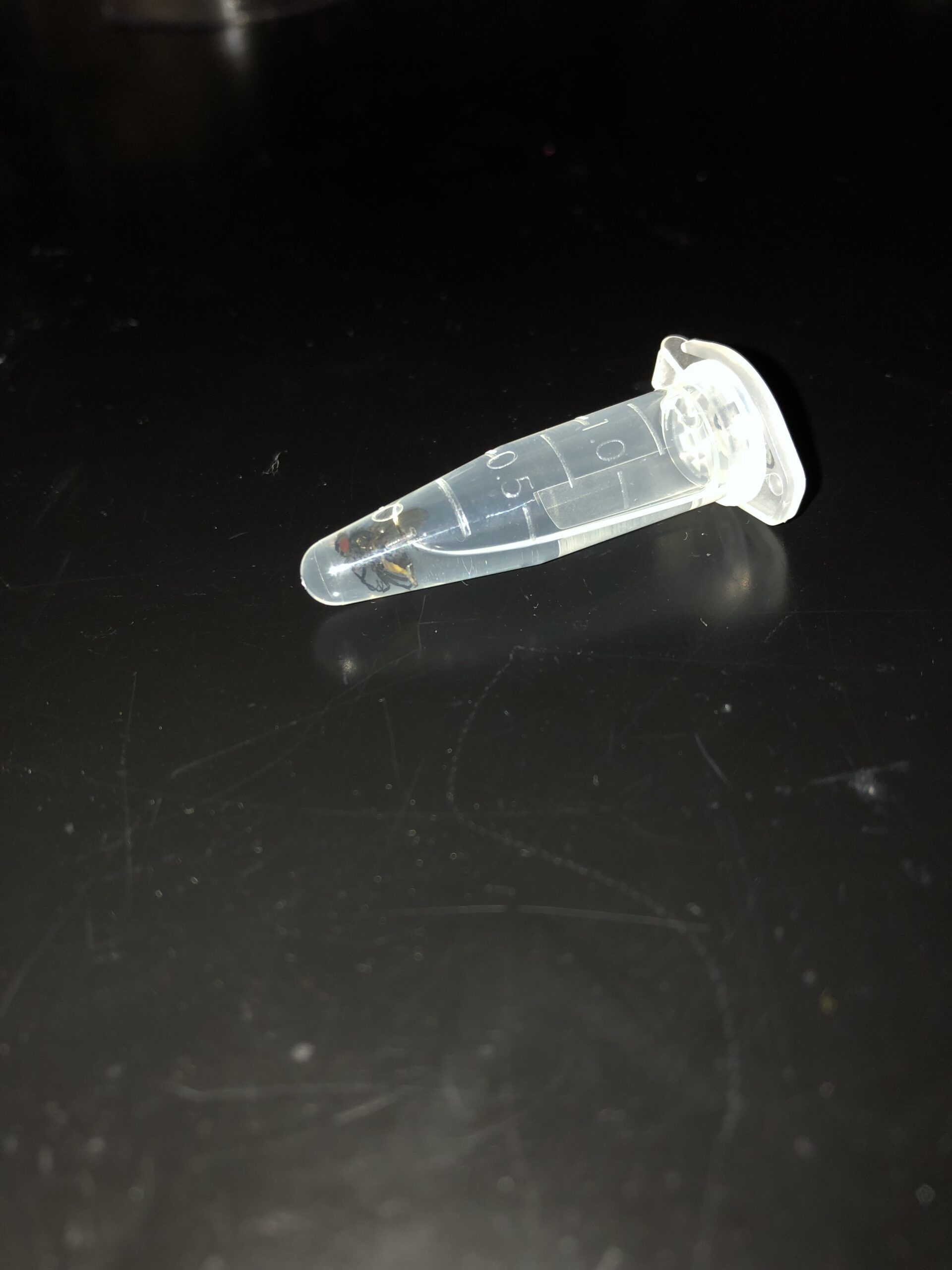
|
|---|---|
| Location | Approximate location: 38.06, -84.73 |
| Collection date | 05/02/2022 |
| Captive / Cultivated? | Wild-caught |
| Group | Woodford County High School |
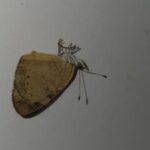
| Observations | Wings, large eyes, somewhat iridescent, six-legs, long and thin tube-like mouth. |
| Putative identification | Arthropoda Insecta Diptera |
Methods |
|
| Extraction kit | Instagene Matrix |
| DNA extraction location | Whole arthropod |
| Single or Duplex PCR | Single Reaction |
| Gel electrophoresis system | Standard electrophoresis system |
| Buffer | TAE |
| DNA stain | Fast Blast |
| Gel images |
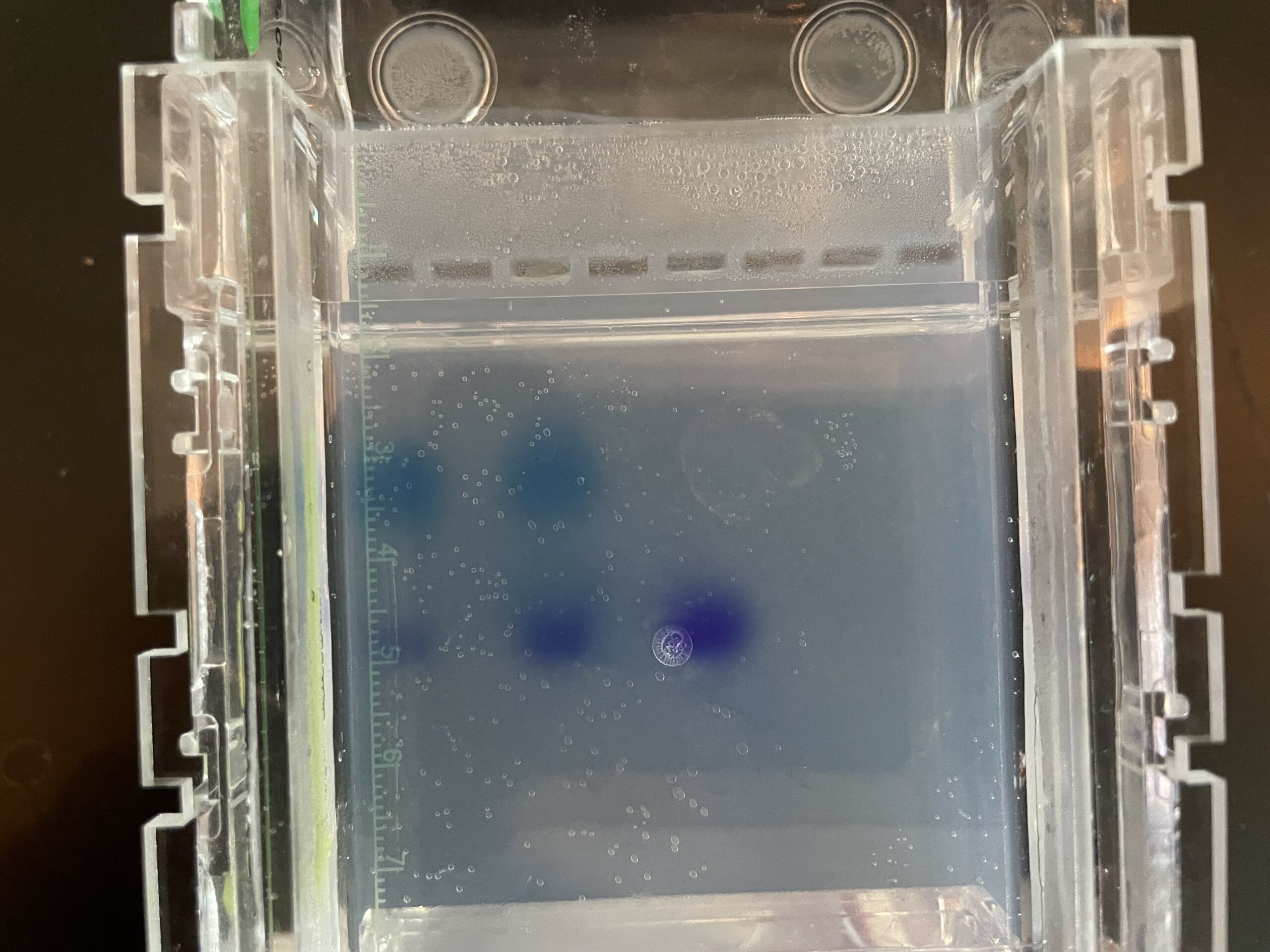
|
| Protocol notes | Processed bug DNA was combined with the dye so that Wolbachia could be seen during gel electrophoresis, and the samples were loaded into the gel. The samples were run for ~20 minutes, then photographed and analyzed. |
Results |
|
| Wolbachia presence | Yes |
| Confidence level | High |
| Explanation of confidence level | The two different bands are visible, with the bug DNA and Wolbachia bands shown as two separate bands. |
| Wolbachia 16S sequence | |
| Arthropod COI sequence |
|
| Summary | The Diptera was found to be postive for Wolbachia. |
 Millipede
 Brown Widow
 (no title)
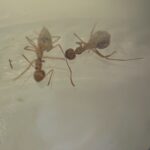 Texas Carpenter Ant
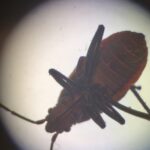 Boxelder Bug (Hemiptera)