Sample information |
|
| Picture |

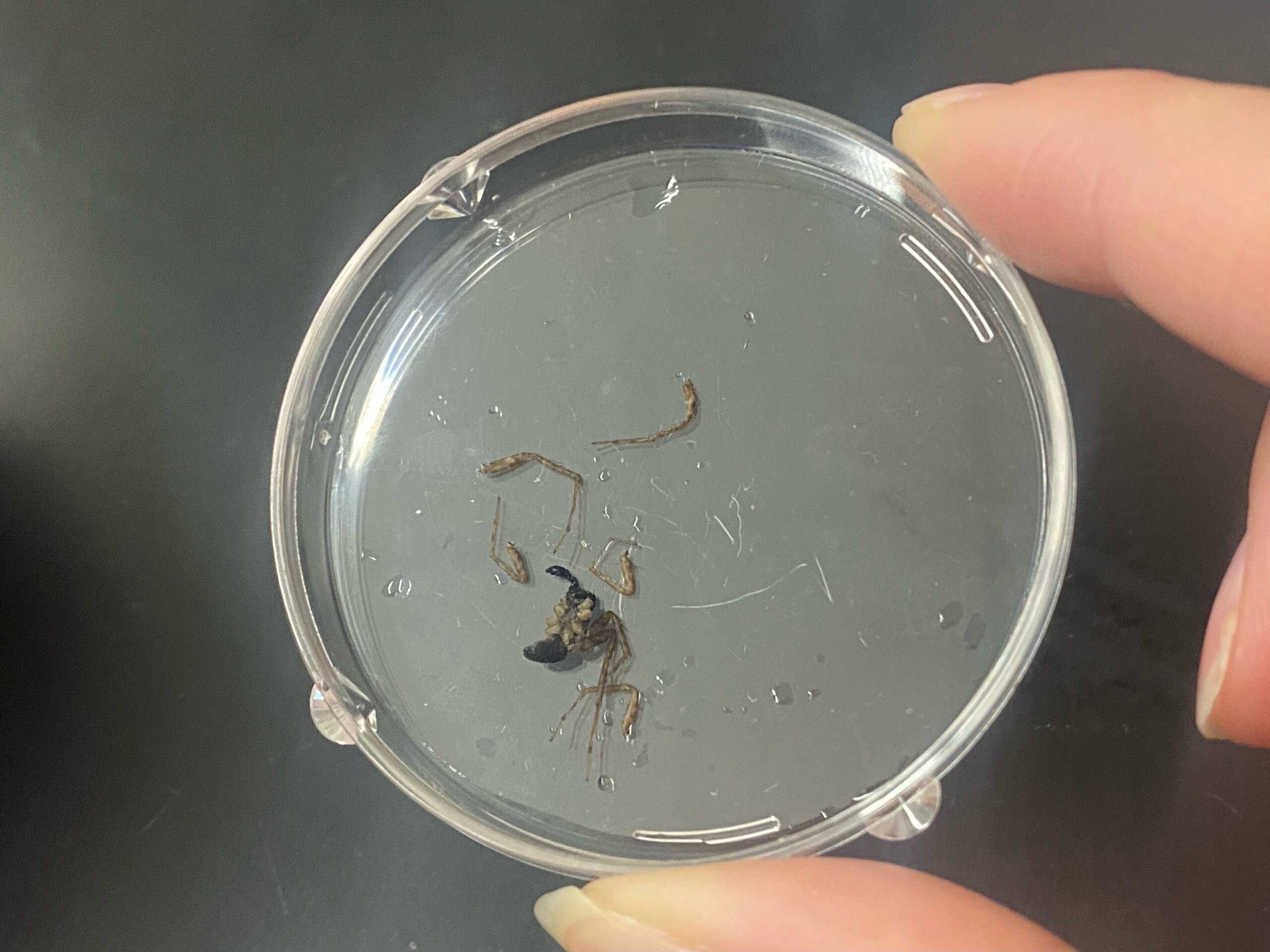
|
|---|---|
| Location | Approximate location: 37.68, -122.14 |
| Collection date | 04/06/2023 |
| Captive / Cultivated? | Wild-caught |
| Group | Arroyo High School |
| Observations | Had dark brown spots on translucent yellow tan legs, dark brown abdomen |
| Putative identification | Arthropoda Arachnida |
Methods |
|
| Extraction kit | DNeasy (Qiagen) blood and tissue kit |
| DNA extraction location | Whole arthropod |
| Single or Duplex PCR | Single Reaction |
| Gel electrophoresis system | Standard electrophoresis system |
| Buffer | TAE |
| DNA stain | SYBR Safe |
| Gel images |
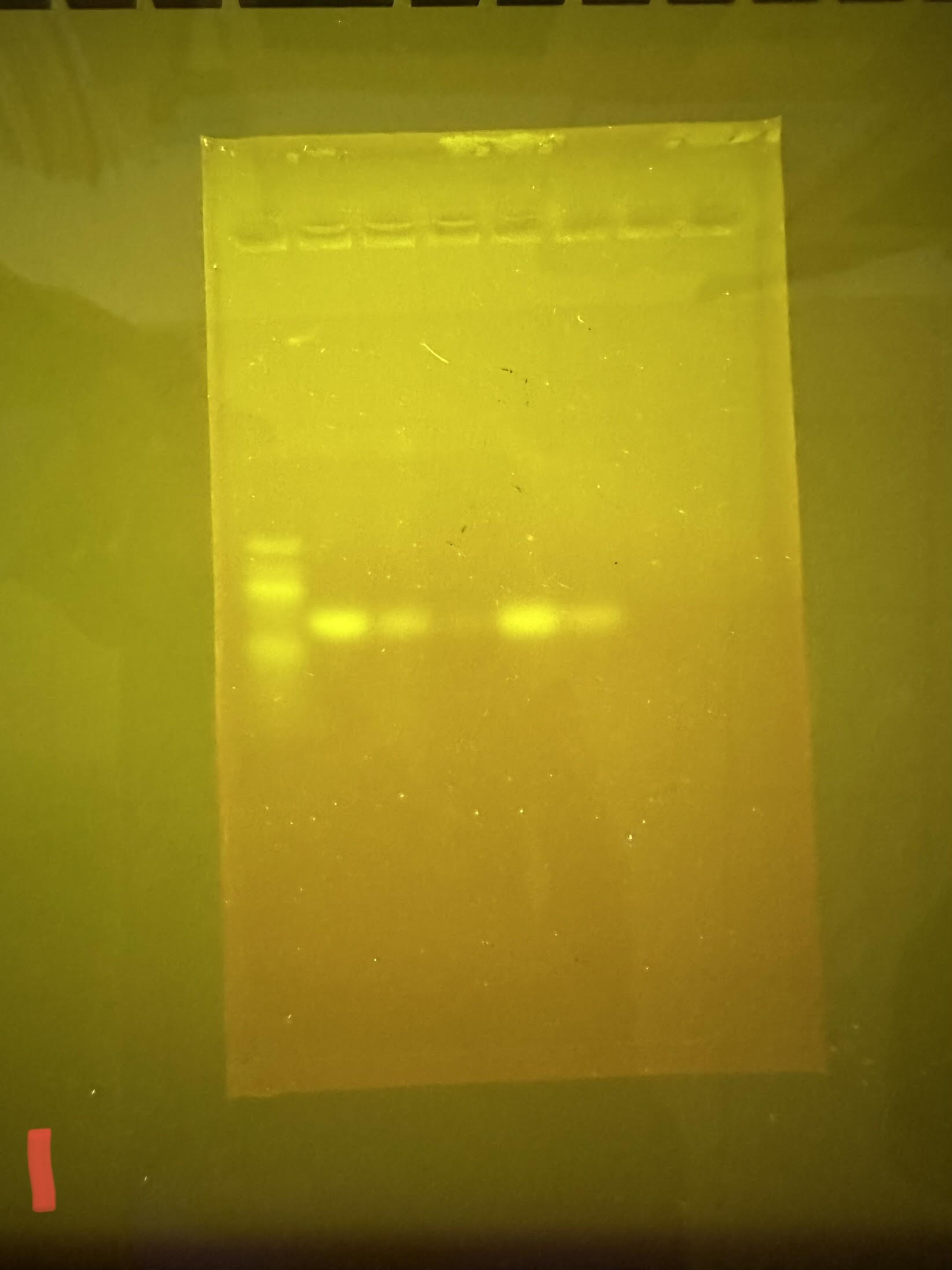
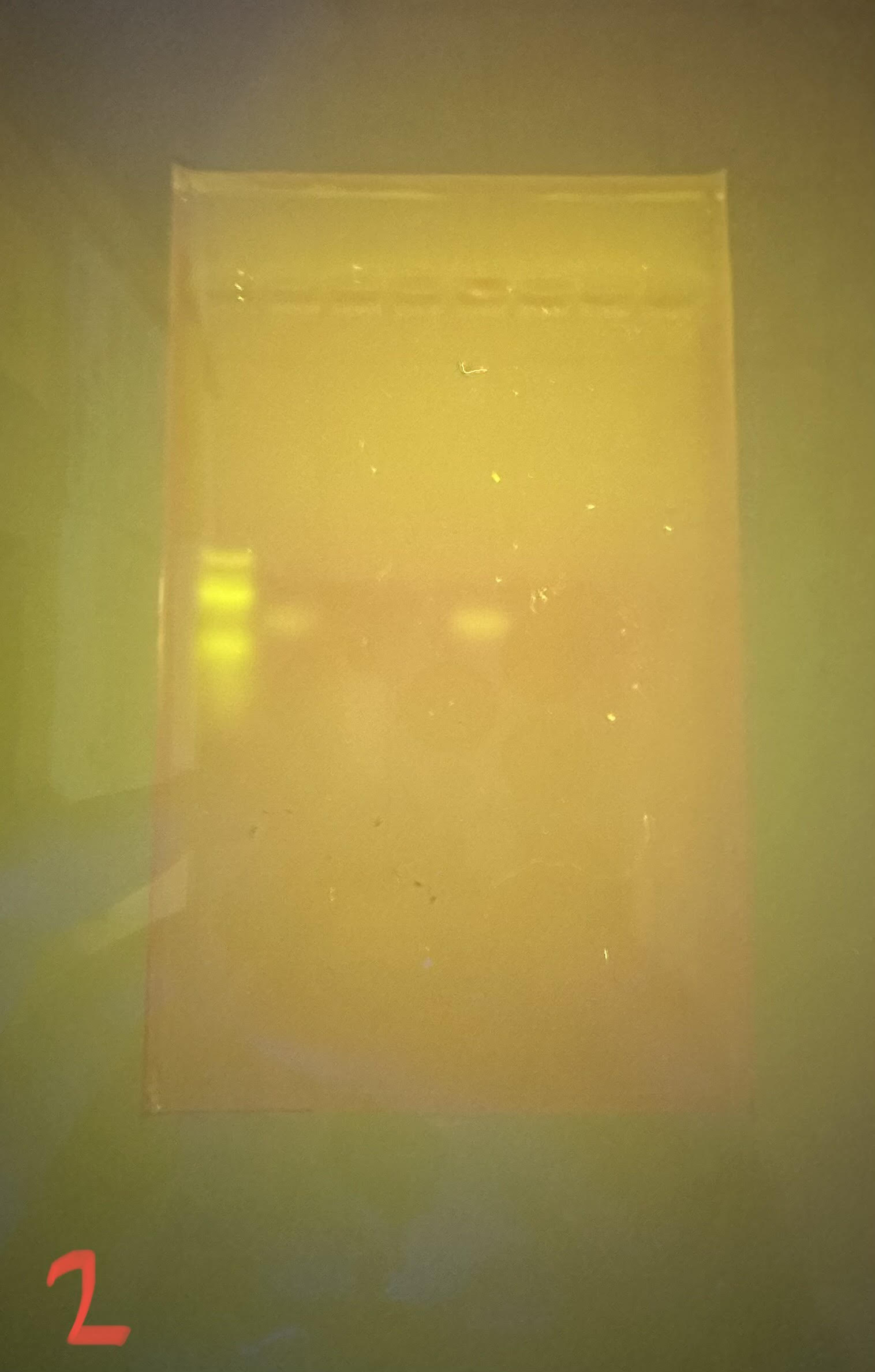
|
| Protocol notes |
|
Results |
|
| Wolbachia presence | Yes |
| Confidence level | Medium |
| Explanation of confidence level | Based on our results, I am partially confident that the results we received are accurate. According to our gel runs, the spider arthropod sample has presence of wolbachia. However, our wolbachia positive control did not have a band (or was rather faint) while our negative control did. It is plausible that a source of error may have occured in protocol such as switching the negative and positive control tubes. |
| Wolbachia 16S sequence | |
| Arthropod COI sequence |
|
| Summary | The Arachnida was found to be postive for Wolbachia. |
 (no title)
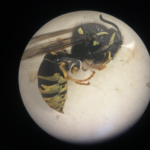 Yellowjacket Wasp
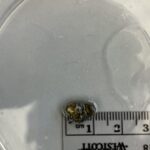 Pillbug
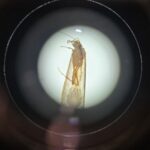 Umpachene Falls Caddisfly
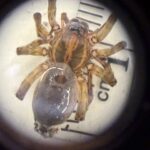 Wolf Spider