Sample information |
|
| Picture |
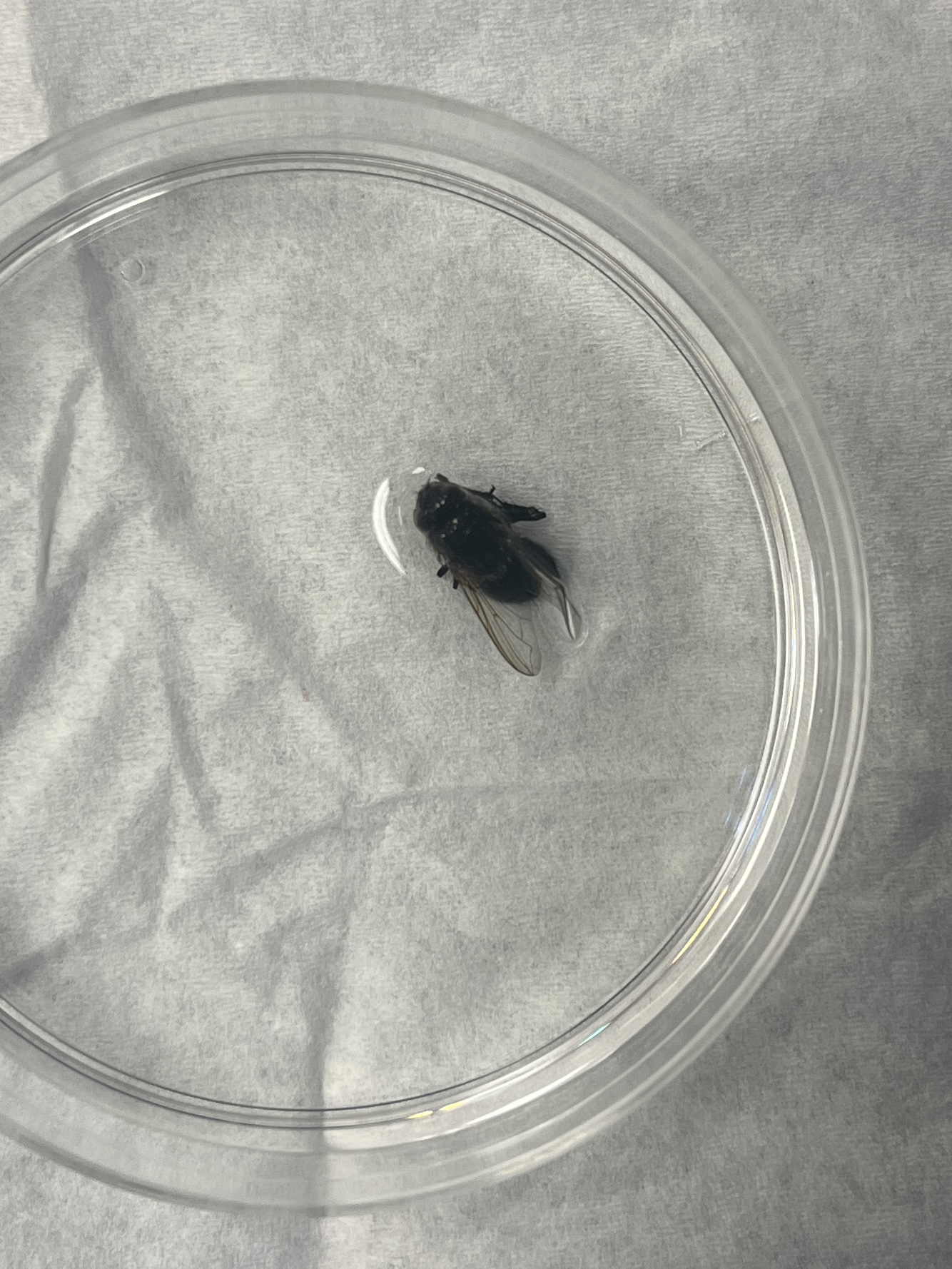
|
|---|---|
| Location | Approximate location: 43.59, -70.34 |
| Collection date | 09/20/2023 |
| Captive / Cultivated? | Wild-caught |
| Group | Scarborough High School |
| Observations | This fly was caught in a small terrestrial garden in the front of a high school in Maine. It was surrounded by mulch on one side and a concrete sidewalk on the other. It was caught on a 70 degree day in fall. This fly is 6 legged with veiny brownish -clear wings, a black body, a reddish brown head, and red eyes. |
| Putative identification | Arthropoda Insecta Diptera |
Methods |
|
| Extraction kit | DNeasy (Qiagen) blood and tissue kit |
| DNA extraction location | Abdomen |
| Single or Duplex PCR | |
| Gel electrophoresis system | MiniPCR |
| Buffer | TBE |
| DNA stain | GelGreen |
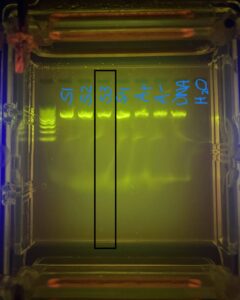
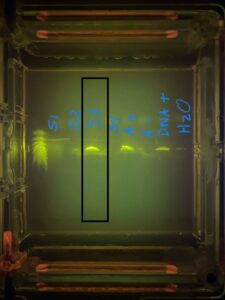
| Gel images |
|
| Protocol notes |
Left side: Arthropod Right side: Wolbachia |
Results |
|
| Wolbachia presence | Yes |
| Confidence level | Medium |
| Explanation of confidence level | I can’t be completely confident on the fact that I have positive Wolbachia because somehow during the protocol the H2O in the Wolbachia test got contaminated and it showed positive. This lowers my confidence on my bug having Wolbachia. |
| Wolbachia 16S sequence | |
| Arthropod COI sequence |
|
| Summary | The Diptera was found to be postive for Wolbachia. |
 (no title)
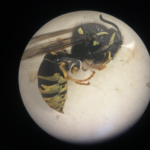 Yellowjacket Wasp
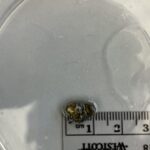 Pillbug
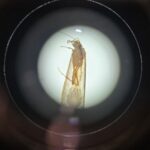 Umpachene Falls Caddisfly
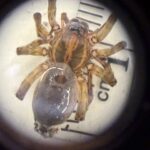 Wolf Spider