Sample information |
|
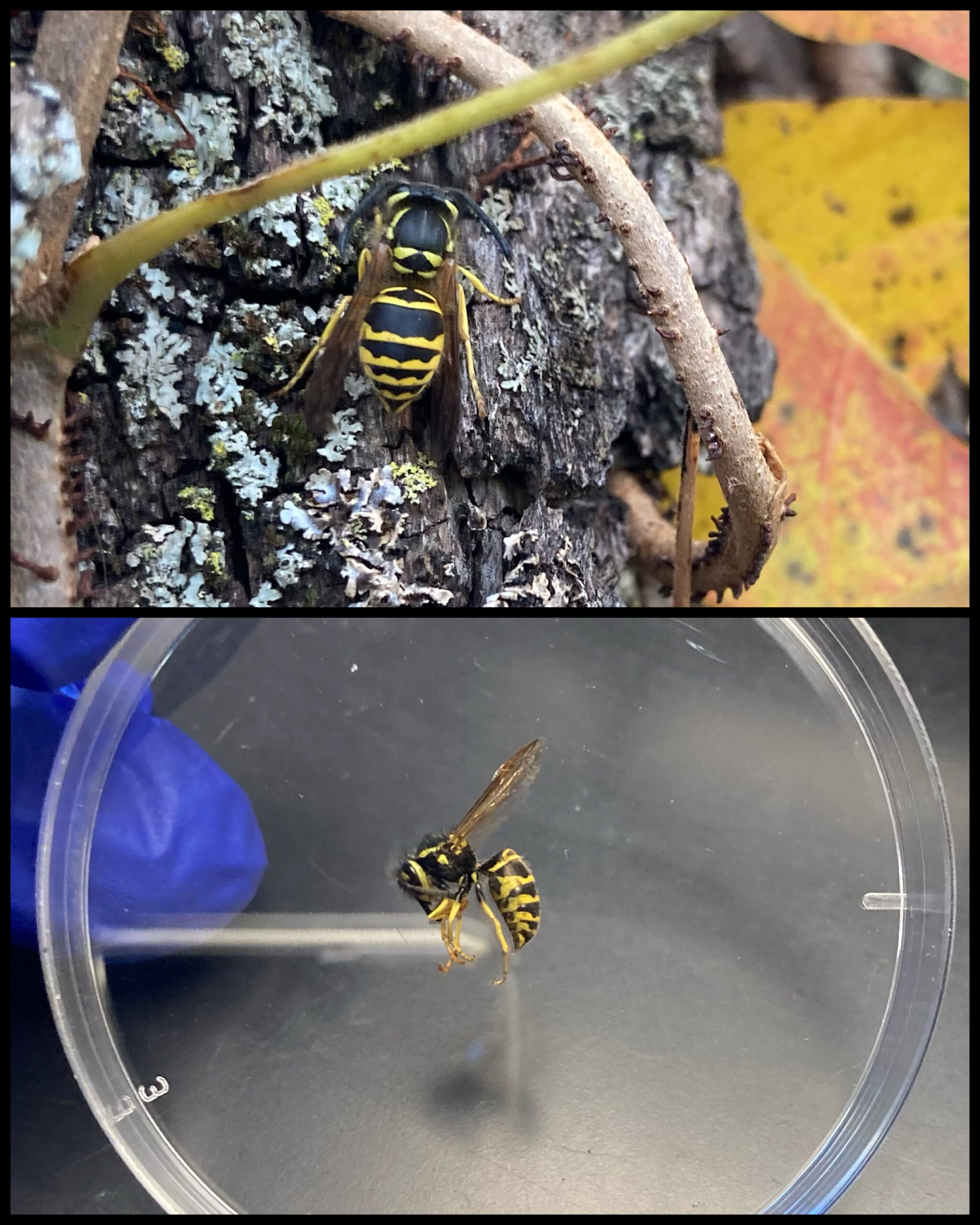
| Picture |
|
|---|---|
| Location | Approximate location: 36.08, -86.77 |
| Collection date | 11/02/2021 |
| Captive / Cultivated? | Wild-caught |
| Group | John Overton High School |
| Observations | The insect has black and a black and yellow pattern down the abdomine. Has head, thorax, and abdomine. Has brown wings. |
| Putative identification | Arthropoda Insecta Hymenoptera |
Methods |
|
| Extraction kit | DNeasy (Qiagen) |
| DNA extraction location | Abdomen |
| Single or Duplex PCR | Duplex Reaction |
| Gel electrophoresis system | Standard electrophoresis system |
| Buffer | TAE |
| DNA stain | SYBR Safe |
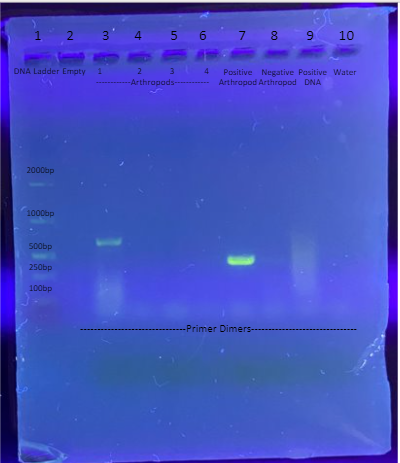
| Gel images |
|
| Protocol notes | Followed the protocol for The Wolbachia Project. |
Results |
|
| Wolbachia presence | No |
| Confidence level | Medium |
| Explanation of confidence level | I am not so confidant because it has a gel smear, therefore the results could be false and the gel or DNA isolation was done incorrectly. My arthropod was in lane 3, a band came out but it had a smear. Not all of the controls worked and the experiment did not go as planned. There were a lot of smears and most of the bands did not show up. The positive control had a band for Wolbachia but not for arthropod, so something happened with the controls. |
| Wolbachia 16S sequence | |
| Arthropod COI sequence |
|
| Summary | The Hymenoptera was found to be negative for Wolbachia. |
 (no title)
 Yellowjacket Wasp
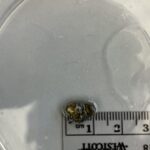 Pillbug
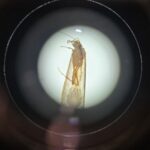 Umpachene Falls Caddisfly
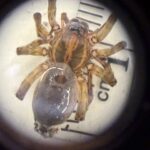 Wolf Spider